Highlights
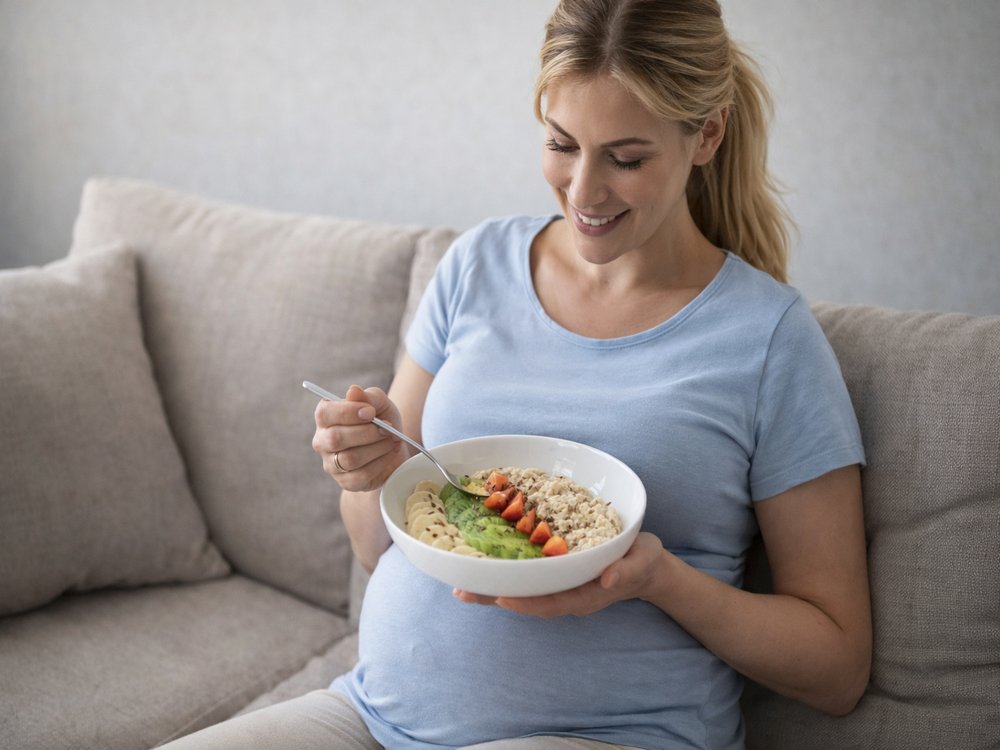
- Your diet during pregnancy plays a crucial role in supporting both your wellbeing and your baby’s development.
- A balanced diet with key nutrients is essential for healthy pregnancy and baby growth.
- Pregnancy cravings are common, but managing them can help you stay on track with your nutrition.
- Certain foods should be avoided due to contamination risks or high mercury content.
- Safe food preparation practices are important during pregnancy.
- Drink water and milk as your main fluids and limit caffeine intake to 200 mg per day.
In This Article
- Importance of a Balanced Diet During Pregnancy
- What is a Balanced Diet?
- Pregnancy Cravings
- Foods to Avoid During Pregnancy
- How to Prepare and Cook Food Safely During Pregnancy
- What Can I Drink During Pregnancy?
- Foods to Limit During Pregnancy
- Recommended Servings During Pregnancy
- Tools and Assistance
Importance of a Balanced Diet During Pregnancy
Your diet during pregnancy plays a crucial role in supporting both your wellbeing and the development of your baby. Proper nutrition ensures that you receive the nutrients you need, while also providing the necessary elements for your baby’s growth.
As a general guide, pregnant mothers should aim for a healthy diet that is high in essential nutrients, and low in sugars, salt, and saturated fats. Maintaining a balanced diet is important, as it directly impacts your health as well as the health of your growing baby.
It is normal for a pregnant woman to gain weight during pregnancy. However, gaining too much or too little weight can increase the risks of complications for both mother and baby. Healthy weight gain is influenced by your weight before pregnancy, and using the Body Mass Index (BMI) as a guide is often recommended for determining appropriate weight gain during pregnancy.
A balanced diet typically provides enough nutrition for most pregnant women. However, certain nutrients are especially important during this time and should be incorporated into your diet, including folate, iron, iodine, and vitamin D. These nutrients support both your health and your baby’s development, helping to prevent specific conditions.
If you are planning a pregnancy, it is advisable to begin taking folic acid supplements at least one month before conception and continue for three months after conception. Folic acid is known to help prevent neural tube defects. Always consult your doctor or midwife before starting any supplements, as the appropriate dosage can vary depending on your individual circumstances.
What is a Balanced Diet?
A healthy, balanced diet includes a variety of foods from the five food groups and is essential for both the mother’s and baby’s health. Staying hydrated is also important, so drinking plenty of water is recommended.
The five food groups include:
- Wholegrains and cereals
- Vegetables and legumes/beans
- Lean meats, poultry, fish, eggs, tofu, nuts, seeds, and legumes/beans
- Fruit
- Dairy products, including reduced-fat milk, cheese, and yoghurt
Although it is normal to have days where your food choices are not as healthy, it is important to focus on making healthier decisions. Pregnancy cravings, which may lead to an increased desire for certain foods, can sometimes make managing your diet harder, especially when cravings are for foods high in sugar, salt, or fat.
If you experience morning sickness or severe vomiting during pregnancy, it is crucial to eat whatever you can manage at the time. In these cases, reach out to your healthcare provider for guidance.
Pregnancy Cravings
Pregnancy cravings are a common experience for many women. It was once believed that these cravings were a sign of nutrient deficiencies, but there is no scientific evidence supporting this idea. Hormonal changes during pregnancy can cause shifts in taste, making foods that you once enjoyed seem unappealing, or even causing aversions to certain foods.
Foods to Avoid During Pregnancy
Some foods should be avoided during pregnancy due to the risk of contamination by bacteria or parasites, which could lead to severe complications for both you and your baby. Infections like listeria, salmonella, and toxoplasmosis can be particularly dangerous, increasing the risk of pregnancy loss or harming your baby.
Certain types of fish, such as shark, marlin, swordfish, orange roughy, and catfish, are high in mercury, which can be harmful to your baby’s development. It’s important to choose fish carefully during pregnancy.
Additionally, always check the ‘use-by’ dates on food and ensure that it has been stored correctly. If you are unsure about the safety of a food item, it’s safest to avoid it.
How to Prepare and Cook Food Safely During Pregnancy
Food safety during pregnancy is vital to avoid foodborne illnesses, which can affect both you and your baby. Proper food preparation practices help reduce the risk of contamination. Follow these tips:
- Defrost frozen meat, especially poultry, in the fridge or microwave.
- Wash your hands thoroughly before preparing or eating food.
- Use separate cutting boards for vegetables and meats.
- Clean all surfaces, including benches and utensils, with hot, soapy water.
- Regularly change dishcloths, especially if they smell, as this could indicate contamination.
- Ensure all food is cooked thoroughly. Avoid raw or undercooked meat, fish, or eggs.
- Reheat foods to at least 60°C and make sure they are steaming hot.
What Can I Drink During Pregnancy?
Water and milk are the safest drinks during pregnancy. It is strongly recommended to avoid drinking alcohol while pregnant, as even small amounts can harm your baby’s development.
Drinks such as low-sugar soft drinks, small amounts of juice, soda, or mineral water are fine in moderation. A small amount of caffeine, such as in tea or coffee, is also considered safe, with up to 200 mg per day being a safe limit for both mother and baby.
Here are approximate caffeine contents of common drinks:
- 1 cup of instant coffee: 60 mg
- 1 shot of espresso: 100 mg
- 1 cup of plunger coffee: 80 mg
- 1 cup of tea: 30 mg
- 375 ml can of cola: 49 mg
- 250 ml can of energy drink: 80 mg
- 100g bar of milk chocolate: 20 mg
Foods to Limit During Pregnancy
While processed foods are convenient and tasty, they often contain high levels of sugar, fat, and salt. Although they may satisfy cravings, they do not meet the nutritional needs of a pregnant woman. During pregnancy, it’s recommended to limit foods that are high in saturated fats, added sugars, and salt, as well as avoid alcohol.
| Food group | Serves per day |
|---|---|
| Vegetables and legumes/beans | 5 |
| Fruit | 2 |
| Grains and cereals, mostly wholegrain and/or high fibre cereals | 8 |
| Lean meat/fish/poultry/eggs/tofu/nuts | 3.5 |
| Milk/dairy foods | 3.5 |
Recommended Servings During Pregnancy
Pregnancy increases your energy needs, and you will likely need to consume more food to support your growing baby. The exact amount will depend on factors such as:
- The stage of your pregnancy
- Your pre-pregnancy weight
- Your activity level
Tools and Assistance
For more information and support related to your diet during pregnancy, consider the following resources:
- Healthcare Provider: Your doctor, midwife, or obstetrician can provide personalized advice and guidance about your diet during pregnancy. They can help assess your nutritional needs and recommend specific supplements or changes to your eating habits.
- Dietitian or Nutritionist: A registered dietitian specializing in pregnancy can create a customized meal plan for you, ensuring you get all the essential nutrients while avoiding any harmful foods. They can also help manage pregnancy-related conditions such as gestational diabetes or morning sickness.
- Prenatal Classes and Support Groups: Many hospitals and healthcare centers offer prenatal classes, some of which include sessions focused on nutrition during pregnancy. These classes provide an opportunity to learn from experts and connect with other expecting mothers for support.
- Pregnancy Apps: There are several mobile apps designed to track your nutrition and guide you through a healthy pregnancy. These apps can help you monitor your daily intake of essential nutrients and make informed food choices.
- Public Health Resources: Many public health organizations provide free guides and resources on pregnancy nutrition, including downloadable meal planners, grocery shopping lists, and recipe ideas that ensure a balanced diet during pregnancy.
- Books and Cookbooks: There are numerous books available that focus on healthy eating during pregnancy. Many of these books provide detailed information about the essential nutrients, how to prepare meals, and tips for dealing with common pregnancy cravings.
By utilizing these tools and seeking professional advice, you can ensure that your diet supports both your health and the healthy development of your baby.








Please log in to leave a comment.