
Highlights
- The placenta is a temporary organ that provides oxygen and nutrients to the baby during pregnancy.
- Complications related to the placenta can be dangerous for both the parent and the baby.
- In twin pregnancies, the number of placentas depends on whether the twins are fraternal or identical.
- Certain substances, including alcohol and nicotine, can pass through the placenta and affect fetal development.
In This Article
- Understanding the Placenta
- Formation Timeline
- Essential Functions During Pregnancy
- Where the Placenta Sits
- Placenta in Twin and Multiple Pregnancies
- Substances That Cross the Placenta
- Potential Placental Complications
- Keeping the Placenta Healthy
- After Delivery: The Placenta’s Final Role
- Taking the Placenta Home
- Tools and Assistance
Understanding the Placenta
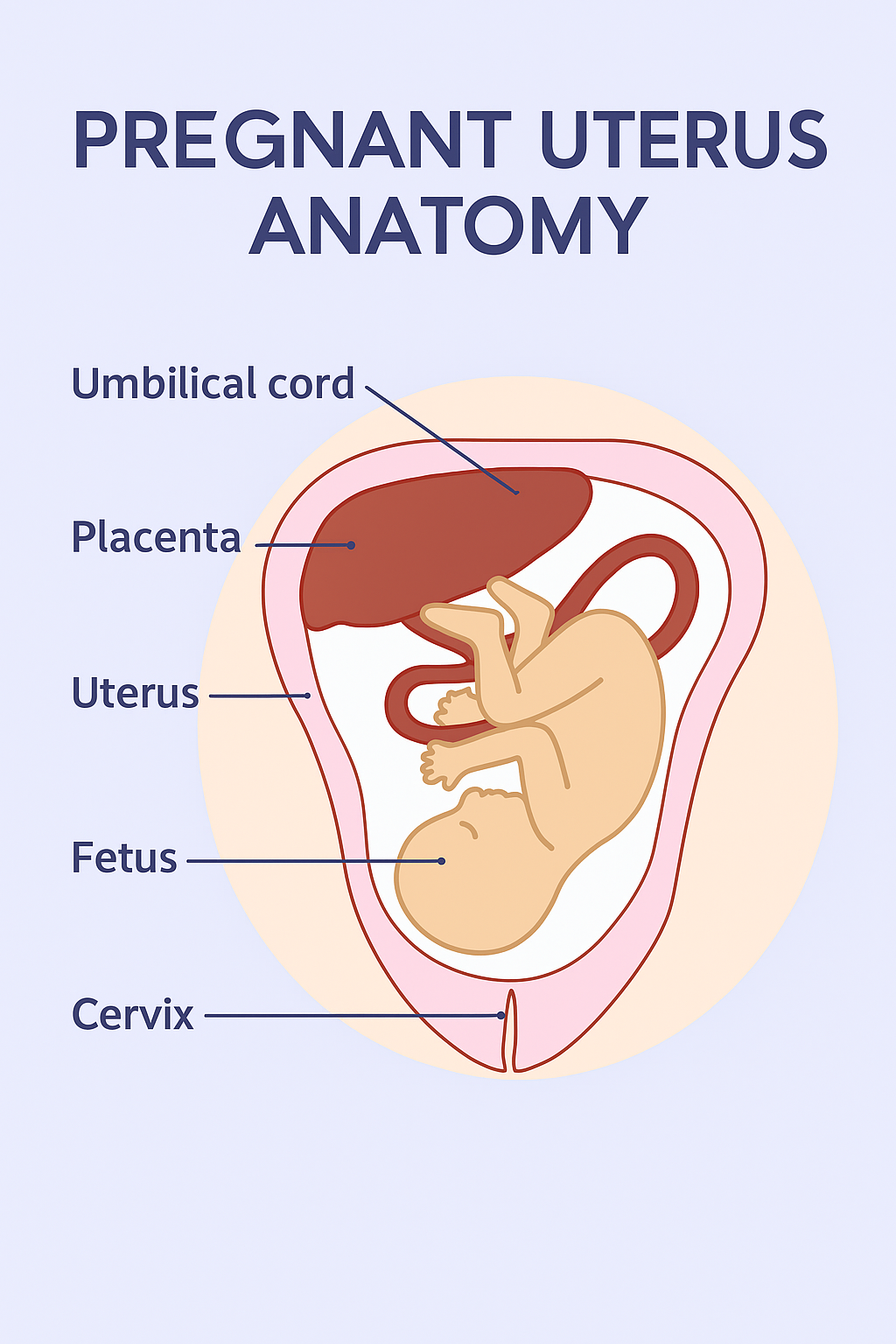
The placenta is a temporary organ that forms during pregnancy, attaching to the uterine lining. It plays a crucial role in supplying oxygen and nutrients to the developing baby via the umbilical cord. Typically round and flat in shape, an average placenta measures about 20 cm in diameter and weighs approximately 500 grams at full term.
If complications arise with the placenta, they can pose serious risks to both the parent and the baby, requiring medical attention.
Formation Timeline
The placenta begins to develop alongside the embryo from the moment of implantation in the uterus. In the early stages, a structure called the corpus luteum provides essential hormones and nutrients. By around 10 to 12 weeks of pregnancy, the placenta becomes fully functional, taking over this role.
After childbirth, the placenta is no longer needed and is expelled from the body in a process known as the afterbirth.
Essential Functions During Pregnancy
The placenta serves multiple essential functions, including:
- Delivering oxygen, nutrients, and antibodies to the baby.
- Removing waste products, such as carbon dioxide, from the baby’s bloodstream.
- Acting as a partial barrier against harmful substances, including some viruses and toxins.
- Producing hormones necessary for maintaining pregnancy and preparing for breastfeeding.
Where the Placenta Sits
Typically, the placenta attaches to the uterine wall, often at the top, front, or back of the uterus. Its exact placement varies among pregnancies. In some cases, it may form lower in the uterus but often shifts higher as the uterus expands.
The placenta’s location is assessed during the standard 18 to 20-week ultrasound.
Placenta in Twin and Multiple Pregnancies
An ultrasound can determine whether a multiple pregnancy involves one or more placentas. Fraternal twins arise from separate eggs, each developing its own placenta. Identical twins originate from a single fertilized egg that splits, leading to either shared or separate placentas, depending on when the split occurs.
Substances That Cross the Placenta
Various substances, including alcohol, nicotine, and certain medications, can pass through the placenta and impact the baby’s health.
Alcohol consumption during pregnancy can affect placental function, so it is advised to avoid it entirely. Smoking and vaping introduce harmful chemicals, including nicotine, that may lead to pregnancy complications and hinder fetal development. The best approach is to quit smoking and vaping to protect both the parent and the baby.
Before taking any medications, including over-the-counter drugs, natural supplements, or herbal treatments, consulting a healthcare provider is essential to ensure their safety during pregnancy.
Potential Placental Complications
Placental abnormalities can occur for various reasons, often beyond the individual’s control. Issues may involve:
- The location of attachment in the uterus.
- Structural changes, particularly in multiple pregnancies.
- Functionality, affecting both the parent and the baby.
Severe bleeding accompanied by intense pain requires immediate medical attention.
Keeping the Placenta Healthy
Following these guidelines may help maintain placental health:
- Attend all prenatal appointments for early detection of potential issues.
- Inform the doctor about any previous placental complications or uterine surgeries, such as cesarean sections.
- Avoid smoking, alcohol, and illicit drugs to reduce the risk of placental and fetal complications.
- Consult a healthcare provider before using any medication, including supplements and natural remedies.
- Seek medical advice immediately if experiencing severe abdominal pain, vaginal bleeding, frequent painful contractions before 37 weeks, or any abdominal trauma.
After Delivery: The Placenta’s Final Role
After birth, the placenta is delivered in the third stage of labor. This process can occur naturally or with medical assistance. Healthcare professionals explain the available options to support informed decision-making.
In a vaginal birth, mild contractions help expel the placenta, sometimes assisted by synthetic oxytocin injections to speed the process and reduce the risk of excessive bleeding. In cesarean deliveries, the doctor removes the placenta surgically.
After delivery, healthcare providers examine the placenta to ensure it is intact. If any portion remains in the uterus, further medical intervention may be required to prevent infection.
Taking the Placenta Home
Deciding what to do with the placenta is a personal choice. Some individuals choose to take it home, following safety guidelines. In certain cultures, the placenta is buried in a significant location.
A growing number of people opt to consume the placenta, either by preparing it at home or using encapsulation services. While no proven health benefits exist, personal, spiritual, or cultural reasons may influence this choice. Those considering placenta consumption should inform their healthcare provider in advance to ensure safe handling.
Tools and Assistance
Understanding placental health can be overwhelming, especially during a busy and emotional time like pregnancy. Fortunately, there are various tools and forms of support available to help you feel more informed and confident:
- Healthcare Team Guidance: Doctors, midwives, and nurses can explain how your placenta is developing, what signs to monitor, and when medical intervention might be necessary. Don’t hesitate to ask questions or request clarification during checkups or ultrasounds.
- Prenatal Classes: Many prenatal courses cover topics like placental function, nutrition during pregnancy, and recognizing warning signs of complications. They can be a great way to prepare emotionally and physically for birth.
- Emotional Support: Talking to a therapist, perinatal counselor, or peer support group can help ease worries around pregnancy and health complications, especially if you’ve experienced issues with the placenta before.
- Birth Planning Resources: If you’re exploring options such as keeping or consuming your placenta, professional advice is available to help you make an informed, safe choice. Be sure to discuss your preferences with your birthing team ahead of time.
- Monitoring Tools: Home tools like kick count charts and symptom journals can help you track your baby’s well-being and share relevant changes with your doctor.
- Partner and Family Support: Don’t underestimate the value of leaning on your partner or loved ones for practical help, comfort, and encouragement. They can accompany you to appointments, help document medical advice, or simply be there to listen.
If anything feels off, trust your instincts and seek help. Whether you’re concerned about symptoms, want to understand more about your placenta’s position, or just need reassurance — support is available, and you’re not alone in this experience.










Please log in to leave a comment.