Highlights
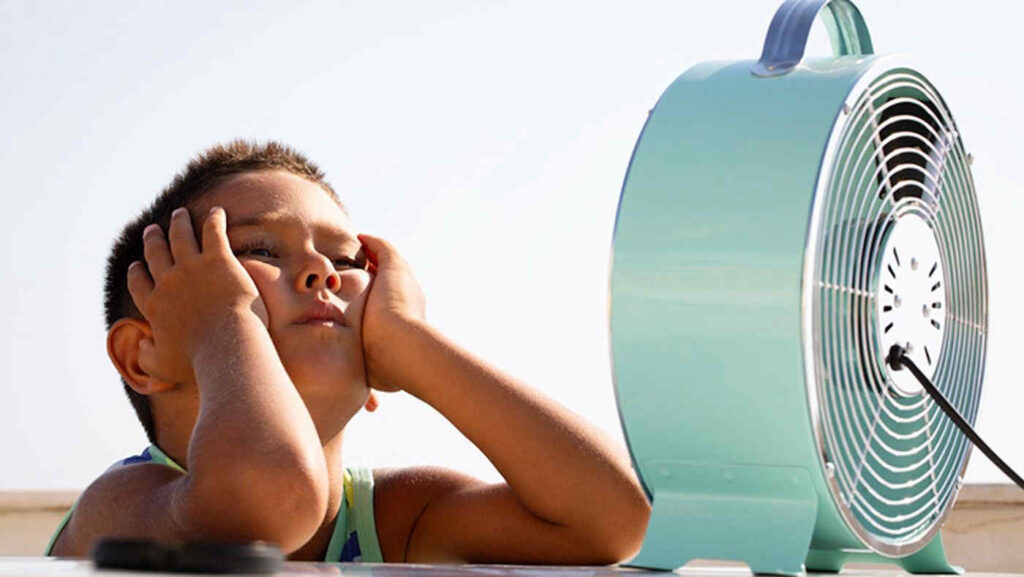
- In hot weather, babies and young children are at risk of overheating.
- Offer your baby more drinks in hot weather — breastfeeds or formula.
- Dress your baby in loose, comfortable clothing.
In This Article
- Understanding the Effects of Heat on Babies
- Safety Strategies for Hot Days
- Sleep Comfort Tips in Warm Weather
- Recognising Overheating in Babies
- Outdoor Protection for Your Baby
Understanding the Effects of Heat on Babies
When the weather is very hot, it’s hard for babies and children to maintain a comfortable body temperature.
Babies and young children don’t sweat as much as adults, which reduces their ability to cool down. This makes them more at risk of becoming overheated and being affected by a heat-related illness.
Safety Strategies for Hot Days
Offer your baby extra drinks. For babies younger than 6 months, this should be breastfeeds or formula.
Babies over 6 months can be offered small amounts of cooled boiled water after or between their milk feeds.
During feed times, use a towel or sheet between you and your baby to avoid skin contact.
If you’re breastfeeding, make sure that you drink plenty of water too.
Dress your baby comfortably in light, loose clothing.
Stay inside on very hot days. If you need to go out, keep outings short and try to stay in the shade.
Never leave your baby in a car, even for a short time. The temperature in a parked car can quickly climb to dangerous levels.
Sleep Comfort Tips in Warm Weather
To keep your baby cool when they are sleeping:
Make sure that air can move around your baby by removing any padding around the cot.
Use cotton sheets to absorb sweat and prevent prickly heat rash.
Put your baby to bed in their nappy only.
Remember to make up their cot according to the safe sleeping guidelines. Always place your baby on their back to sleep and make sure their head is uncovered.
Think about moving your baby’s cot to a cooler, well-ventilated room in the house. Use curtains or blinds to block out direct sunlight where practical.
Keep the windows open to maintain airflow. If you are in a hot climate, use an air conditioner or a fan. Make sure that the cool air doesn’t blow directly on them.
Expect your baby’s sleep patterns to change when the weather is hot. They may be sleepier in the hotter parts of the day and have bursts of energy when it cools down.
Never leave your baby to sleep in a pram in hot weather.
Recognising Overheating in Babies
To check how warm your baby is, place your hand on their chest or back. This will give you a better idea of how hot they are than just feeling their hands or feet. Generally, a baby’s hands and feet feel cooler than their body.
Identifying Hydration Needs
A good sign that your baby is getting enough to drink is if they’ve had 6 to 8 pale wet nappies in the last 24 hours.
Take your baby to a doctor if you think they may be dehydrated.
Managing Heat Rash
Babies often develop heat rash (prickly heat) because they can’t control their temperature as well as adults and older children.
The symptoms of heat rash are:
- small, raised spots on the skin
- mild swelling of the skin
It can appear anywhere on the body.
Try to keep your baby’s skin cool by:
- dressing them in loose cotton clothing
- using lightweight bedding
- giving them cool baths or showers
- giving them plenty of fluids to avoid dehydration
See your doctor if you’re worried about your baby’s rash.
Spotting Signs of Heat Stress
Signs of heat stress are:
- listlessness (looking tired) or irritable
- pale and clammy skin, which becomes hot and flushed
- increased sweating
The amount of sweating decreases as heat stress progresses towards heatstroke.
Try cooling your baby with frequent lukewarm baths or sponge your baby with a cool face washer. NEVER use cold water.
See a doctor if there is no improvement or if you are worried.
Outdoor Protection for Your Baby
Babies and young children can easily get sunburnt, even on cooler or overcast days.
Try to stay indoors with your baby during the hottest part of the day and plan outings inside.
If you do need to go outside, follow sun protection guidelines.
Slip on loose-fitting clothing that covers as much of your baby’s skin as possible.
Slap on a broad-brimmed bucket or legionnaire-style hat to protect your baby’s face, neck, and ears.
Seek shade. Stay in the shade as much as possible. Remember, you still need sun protection in the shade, because UV radiation can be reflected off surfaces and reach your baby.
Slop on SPF30+ or higher, broad-spectrum sunscreen on exposed skin.
Slide on some sunglasses. You can find sunglasses for babies with soft elastic to keep them in place. Look for sunglasses labelled 2, 3, or 4. Don’t use toy sunglasses, as these won’t protect your baby’s eyes from UV radiation.
Ventilation Tips for Baby Capsules and Prams
An enclosed baby capsule or pram can get very hot. Make sure that air can flow around your baby when they’re in their baby capsule or pram.
Covering your baby capsule or pram with a cloth to keep the sun off your baby is not recommended. This is because it can increase the temperature in the baby capsule or pram. It also makes it harder for you to see if your baby is suffering from heat stress.
When you’re out and about with your baby, make sure that you regularly check how they are.
Car Safety on Hot Days
When driving in the car, you can use sunshades on the windows to protect your baby.
Never leave babies or children unattended in a car.
Tools and Assistance
- Invest in a room thermometer, light cotton bedding, and safe fans for the nursery.
- Talk to your child health nurse or GP if you’re concerned about your baby’s temperature, rash, or feeding in hot weather.
- Use official health websites and helplines to get quick advice on heat stress symptoms.









Please log in to leave a comment.