Highlights
- Baby Monitors help you monitor your baby’s safety from a distance, tracking sound, movement, and health metrics like heart rate and oxygen levels.
- Types of Monitors: Audio, video, app-based, movement, heart/breathing, oxygen monitors, and those for hearing-impaired caregivers.
- Reliability: Baby monitors are only alarms and may trigger false alerts. They’re not life-saving devices and can fail due to technical issues.
- Buying Tips: Prices range from $50 to $800. Look for clear sound, wide camera angles, and features like multiple cameras and power options.
In This Article
- Purpose of a Baby Monitor
- Types of Baby Monitors
- How Reliable Are Baby Monitors?
- Buying a Baby Monitor
- Tools and Assistance
Purpose of a Baby Monitor
A baby monitor helps you listen to or observe your baby from a distance, or track health metrics like heart rate, breathing, and oxygen levels. However, it’s important to remember that a monitor is not a replacement for regular supervision. Caregivers should always check on their baby in person.
Types of Baby Monitors
There are several types of baby monitors, each suited for different needs:
- Audio monitor: Lets you hear your baby from another room.
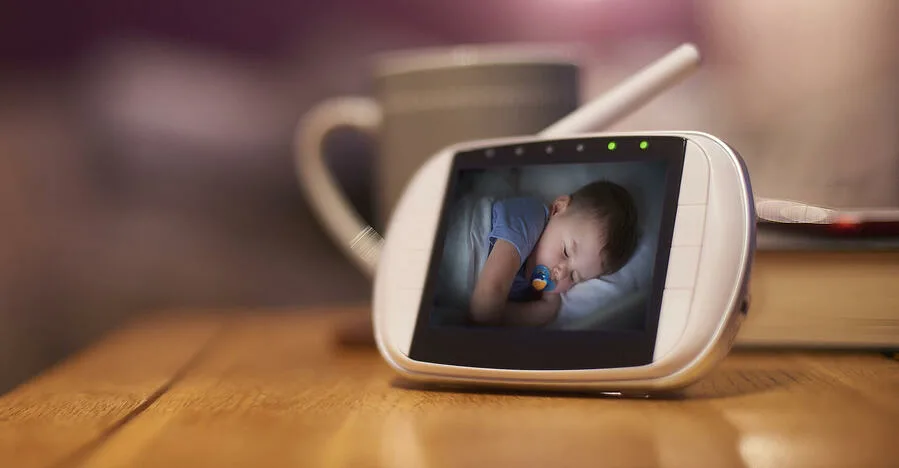
- Video monitor: Provides live video from your baby’s room to a phone or tablet.
- App-based monitor: Turns your phone or tablet into a monitoring device, either audio or video.
- Movement monitor: Sends an alarm if the baby doesn’t move for a certain period.
- Heart and breathing monitor: Tracks vital signs with electrodes on your baby’s chest, raising alarms for irregularities.
- Oxygen measurement monitors and oximeters: Alert caregivers when oxygen levels drop below a certain threshold.
- Monitors for hearing impaired carers: Use lights or vibrations to alert caregivers that their baby is awake.
Reliability of Baby Monitors
Baby monitors are helpful tools but are not foolproof. They only serve as alarms, and caregivers must know how to respond to them. Monitors can sometimes trigger false alarms, which may cause stress. They are also susceptible to technical failures like power outages, battery loss, or Wi-Fi issues. Always follow safety instructions to avoid hazards like babies getting tangled in cords.
Buying a Baby Monitor
Baby monitors range in price from $50 to $800. When shopping for one, look for monitors that clearly transmit even faint sounds, and ensure the camera offers a wide viewing angle. Other features to consider include multiple cameras for monitoring different rooms, alerts with lights or sounds, battery and mains power options, and various types of camera mounts.
Tools and Assistance
When considering the purchase of a baby monitor, here are a few things to keep in mind:
- Manuals and Setup Instructions:
Make sure the monitor you choose comes with clear and easy-to-follow setup instructions. It’s important to have a good understanding of how to properly use the device to ensure it works as intended. - Ease of Use:
Choose a monitor that is simple to set up and operate. Ensure that the interface is user-friendly so you can easily access the settings and features. - Safety Features:
Look for baby monitors that have safety features such as encryption or password protection for video monitors, preventing unauthorized access. Additionally, monitors with overheating or battery alerts can add an extra layer of security. - Customer Support:
Choose a brand or model that offers good customer support in case you encounter issues. Many manufacturers provide troubleshooting guides and helpful resources on their websites. - Technical Support and Warranty:
Opt for a monitor with a warranty to ensure you can get a replacement or repair if any malfunction occurs within the warranty period.










Please log in to leave a comment.