Highlights
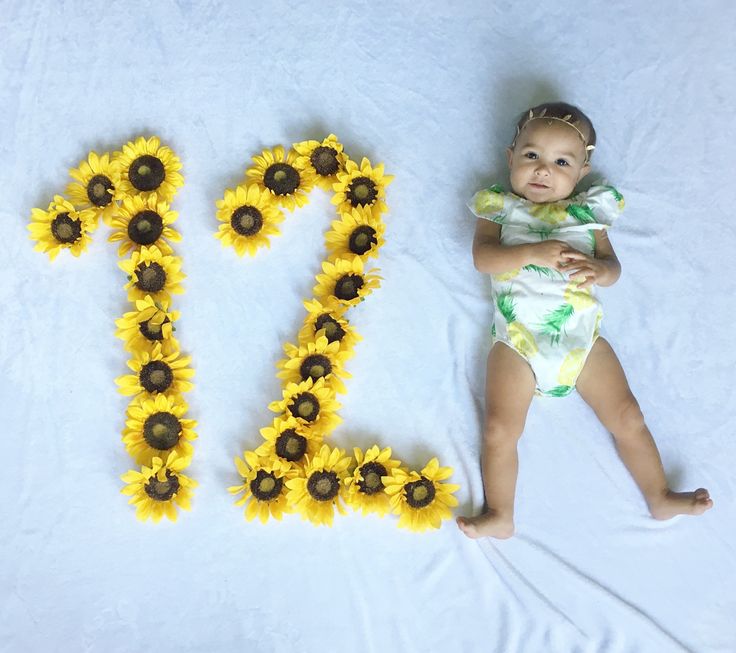
- By 12 months, your baby’s growth and development will have accelerated, but it’s important not to compare their size to other children.
- Your baby will begin transitioning to more physical activities, like standing, cruising, and possibly taking their first steps.
- At this age, they will begin engaging with simple words and sounds, while showing an interest in social and emotional connections.
- Ensuring safety and providing opportunities for exploration are key for your baby’s development.
In This Article
- Key Milestones at 12 Months
- Supporting Your Baby’s Growth
- Signs to Watch For
- Tools and Assistance
Key Milestones at 12 Months
Physical development
At 12 months, your baby may begin pulling themselves up and using furniture to move around (referred to as “cruising”). Some babies can even stand alone and take their first steps. Their hand and finger skills improve, allowing them to hold a spoon and try feeding themselves.
Cognitive development
Your baby will be interested in picture books and enjoy listening to music and playing with noisy toys.
Social development
Separation anxiety can arise when you say goodbye to your baby. Encourage their independence by reassuring them you’re nearby, but avoid hovering.
Emotional development
By this age, many babies can show empathy towards others in distress and seek comfort when needed.
Language development
Your baby might start using a few words, along with “mama” and “dada,” and will begin babbling and attempting conversations. They can respond to simple instructions like “give me the cup.”
Supporting Your Baby’s Growth
Encourage talking and reading, help them practice following instructions, and foster good manners. Promote physical exploration by assisting them in standing and walking, while being mindful of safety. Babies this age will explore their environment by putting small objects in their mouths.
Signs to Watch For
If your 12-month-old:
- Doesn’t show happiness when seeing familiar people.
- Doesn’t make eye contact.
- Can’t be comforted by you or another caregiver.
- Hasn’t started moving or sitting.
- Doesn’t babble or respond to conversations.
It’s important to speak to a doctor or health nurse.
Tools and Assistance
If you’re concerned about your baby’s development or just want to discuss their milestones, consider seeking advice from healthcare professionals. Early support can make a significant difference in their growth and development.










Please log in to leave a comment.