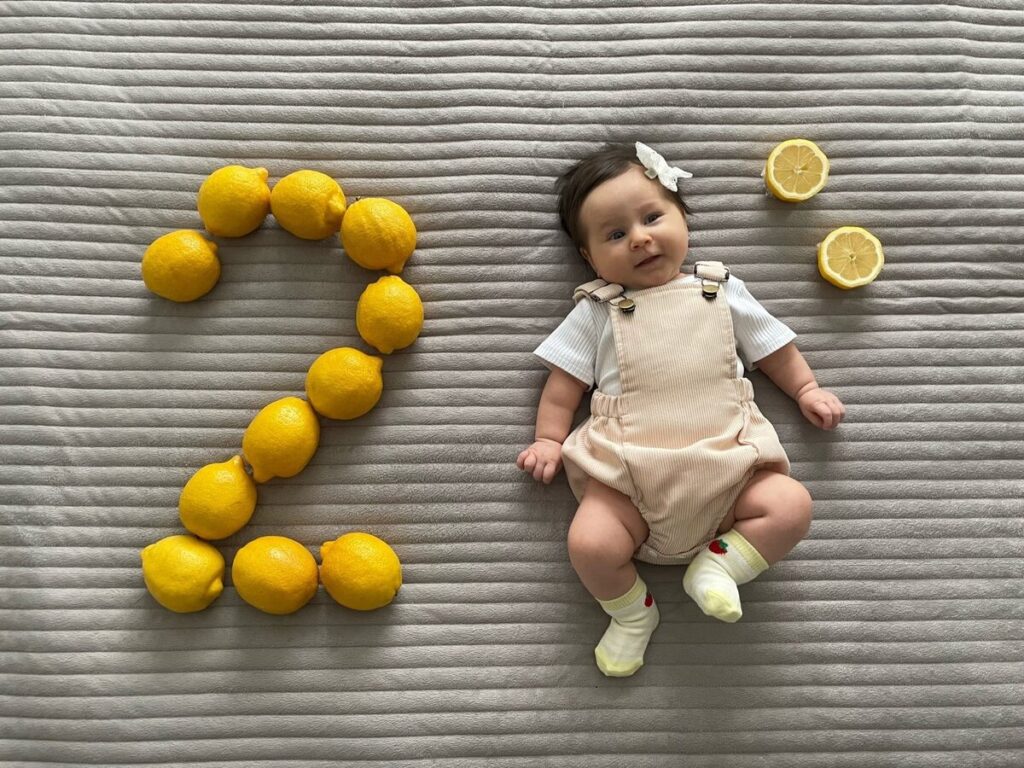
Highlights
- By 2 months, your baby will have gained weight and may look round and chubby.
- Your baby will discover their fingers and hands, learning to coordinate movements.
- By 6 to 8 weeks, your baby will have their scheduled vaccinations (2 injections and the oral rotavirus vaccine).
- Your baby may sleep longer stretches at night, though sleep patterns vary.
In This Article
- What can my 2-month-old do?
- How to support your baby’s development
- Signs of developmental concerns
- Tools and assistance
What can my 2-month-old do?
At 2 months, your baby will begin to show some exciting milestones as they continue growing and developing rapidly.
Physical Development
Your baby will start discovering their fingers and hands, holding them open and even grabbing objects. Their movement coordination will improve, and they will move their arms and legs more freely.
Your baby will kick their legs strongly and wiggle them often. They may even roll over, so always be cautious and ensure they’re safe on a changing table. During tummy time, your baby will strengthen their neck muscles, lifting their head and moving it from side to side. Some babies may even lift their chest during tummy time.
Social Development
At this stage, your baby will be more alert and awake during the day. They will recognize you, look at you when you talk, and enjoy seeing your face. They will likely give you lovely smiles, showing their developing social connection.
Cognitive Development
Your baby will be able to track moving objects with their eyes, following them past the midline. They will show interest in objects with complex patterns and colors, developing their visual attention.
Language Development
Your baby will start making more sounds, such as “a” or “o.” They may gurgle or coo and try to “talk back” to you.
How can I help my baby develop?
- Create a daily rhythm: As your baby gets into a routine, they will be awake more and provide more opportunities for interaction.
- Talk, read, and sing to your baby to support language development and communication skills.
- Play with objects of different designs, colors, and shapes to stimulate their senses.
- Smile at your baby to release ‘feel-good’ chemicals, helping them feel secure and loved.
- Massage your baby after bath time to help them relax and build a calm connection.
- Tummy time (1 to 5 minutes daily) is important for strengthening neck and upper body muscles, which will aid in sitting and crawling milestones.
- Safe sleep practices: Always place your baby on their back to sleep.
Signs of developmental concerns
At 2 months, consult a doctor or health professional if:
- Your baby doesn’t smile by 8 weeks.
- They don’t calm down when you pick them up for comfort.
- One side of their body seems stronger than the other.
- They continue holding their fingers in a tight fist or are floppy or stiff.
- They aren’t startled by sudden noises.
- They aren’t feeding properly.
Tools and Assistance
If you have concerns or need advice, the following resources may help:
- Developmental specialists: For assessments and specialized guidance on your baby’s development.
- Pediatricians: For expert guidance on your baby’s health and milestones.
- Parenting support groups: Connecting with others for advice and shared experiences.
- Books and online resources: Find tips on baby care and development.










Please log in to leave a comment.