Highlights
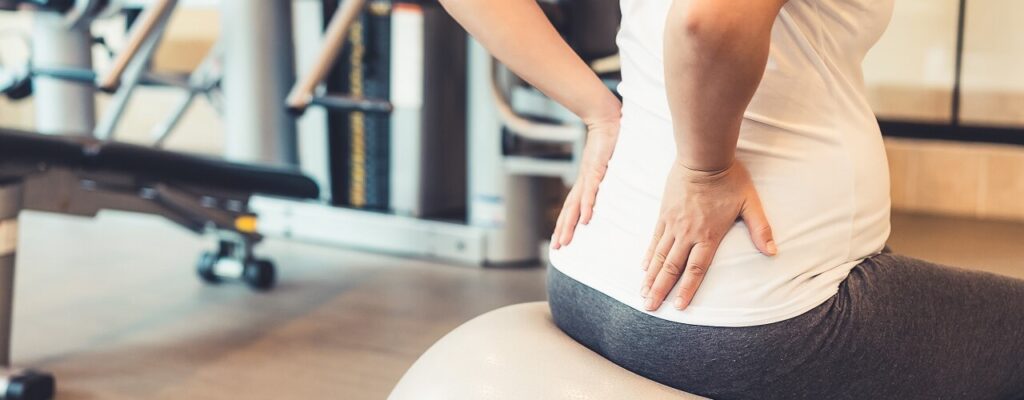
- Changes in your hormones as well as your growing uterus and baby contribute to back pain in pregnancy.
- Exercises, stretches, and changing how you do some movements can help prevent and treat back pain in pregnancy.
- If you feel ‘pins and needles’ down your legs, leg weakness, or changes to your bowel or bladder function, see your doctor.
- Sometimes back pain can be from a urinary tract infection (UTI) or preterm labour, so see your doctor if you are worried.
In This Article
- What Happens to Your Back During Pregnancy?
- How to Avoid Backache During Pregnancy
- Treatment for Back Pain During Pregnancy
- Medications for Back Pain During Pregnancy
- Will Back Pain Affect My Labour?
- Exercises to Ease Backache During Pregnancy
- Tools and Assistance
What Happens to Your Back During Pregnancy?
During pregnancy, changes to your hormones cause the ligaments in your body, including your lower back and pelvis, to relax and stretch to prepare you for labour. Because these changes mean the joints are not in their normal alignment, you can experience backache.
The weight of your growing baby also pulls your spine forward, adding to the back pain.
Back pain in pregnancy may be worse at night and may affect your sleep.
How to Avoid Backache During Pregnancy
Exercise can help prevent back pain during pregnancy. You can protect your back by avoiding or changing the way you do certain activities. This becomes more important the further along in your pregnancy you are.
Some strategies to help you manage back pain include:
- Stand and sit up straight, keep your spine long, and don’t slump.
- Avoid sitting or standing for long periods.
- Take breaks when doing physical activities.
- Wear support garments or belts if you have pain.
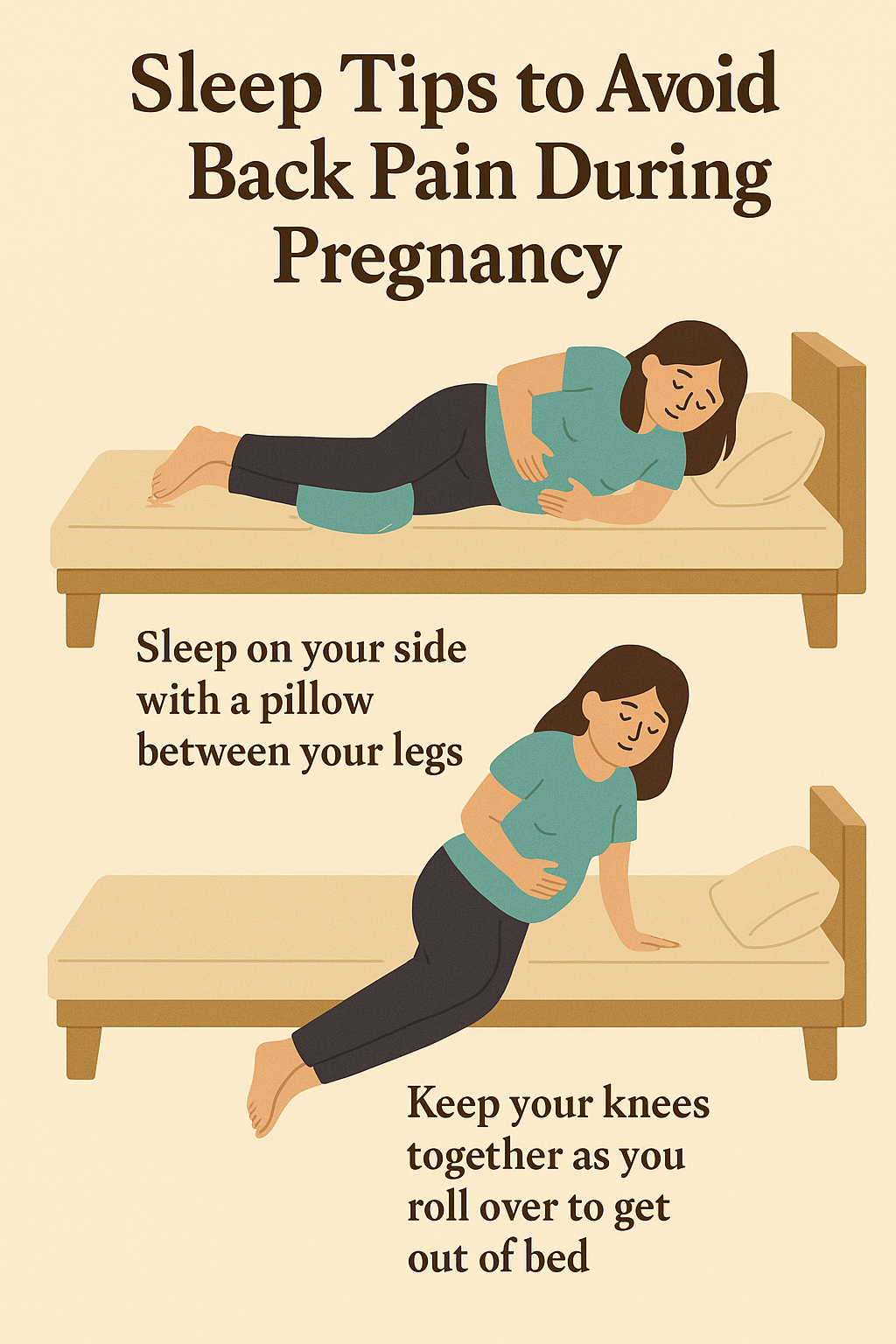
- Sleep on your side with a pillow between your legs and change which side you lie on occasionally.
- When getting out of bed, keep your knees together as you roll over.
Treatment for Back Pain During Pregnancy
If you have back pain while pregnant, low-impact exercise can help. Examples of exercises you may try include:
- Walking
- Swimming
- Stretching and strengthening exercises
A physiotherapist can usually help you manage your backache.
In very rare cases, you may have a serious injury such as a herniated disc while pregnant. In this case, you might need surgery—see your doctor for advice.
Medications for Back Pain During Pregnancy
Talk to your doctor if you need to take medication to manage your back pain. For most people, paracetamol is usually the safest pain medication to take during pregnancy. You should take the lowest dose that you need to manage the pain and use it for as short a time as possible. Do not take aspirin or non-steroidal anti-inflammatories such as ibuprofen while pregnant. Ask your pharmacist for advice, and be sure to tell them you’re pregnant.
Will Back Pain Affect My Labour?
Your backache should not affect labour or the pain relief options available during labour. However, if you’ve had major back surgery in the past, your doctor might not recommend an epidural. Tell your midwife and doctor about your back pain, as there are different positions you can use to help with back pain during labour.
Exercises to Ease Backache During Pregnancy
You can try the stretches and exercises described below. You may benefit from seeing a physiotherapist for personalized exercises to treat back pain during pregnancy.
Child’s Pose Stretch:
Kneel on the floor with your knees slightly apart to allow space for your belly. Lower your upper body down with your arms stretched out in front of you. You should feel this stretch along your whole spine.
Hold the stretch for up to 30 seconds and repeat 2 or 3 times.
Belly dancing movements
Slowly move your hips and pelvis in the shape of a circle as if you were doing belly dancing. You can do this while sitting, standing or on all 4s.
Pelvic tilts
Stand with slightly bent knees. Slowly flatten the curve of your lower back by tilting your pelvis and hips backwards. Hold this for 3 to 5 seconds and repeat the tilt up to 10 times. This can be done while standing, lying, or sitting on an exercise ball.
Tools and Assistance
If you are experiencing back pain during pregnancy, here are some tools and resources that can help:
- Physiotherapy: A physiotherapist can provide personalized exercises and stretches to help manage back pain during pregnancy. They can also teach you proper body mechanics to avoid straining your back.
- Support Garments and Belts: Wearing support garments or maternity belts can help alleviate back pain by providing additional support to your lower back and pelvis. These can be found in maternity stores or medical supply shops.
- Exercise Equipment: Low-impact exercise options like walking or swimming are excellent ways to stay active during pregnancy and manage back pain. Some people also find relief from gentle stretching exercises.
- Pain Relief Medications: Always consult with your healthcare provider before taking any pain relief medications. Paracetamol is generally considered safe during pregnancy for mild pain relief. For more severe pain, your doctor may suggest other methods or treatments.
- Pregnancy-safe Pillows: Special pillows designed for pregnancy can help with posture while sleeping. Placing a pillow between your knees when lying on your side can alleviate pressure on your lower back.
- Pregnancy Support Groups: Joining an online or local support group for expectant mothers can provide emotional support and practical advice for managing pregnancy-related issues like back pain.
- Relaxation Techniques: Managing stress through prenatal yoga, meditation, or deep breathing exercises can also help improve overall well-being and reduce tension in your back.
Always consult your healthcare provider before trying new treatments or exercises to ensure they are safe for you and your pregnancy.









Please log in to leave a comment.