Highlights
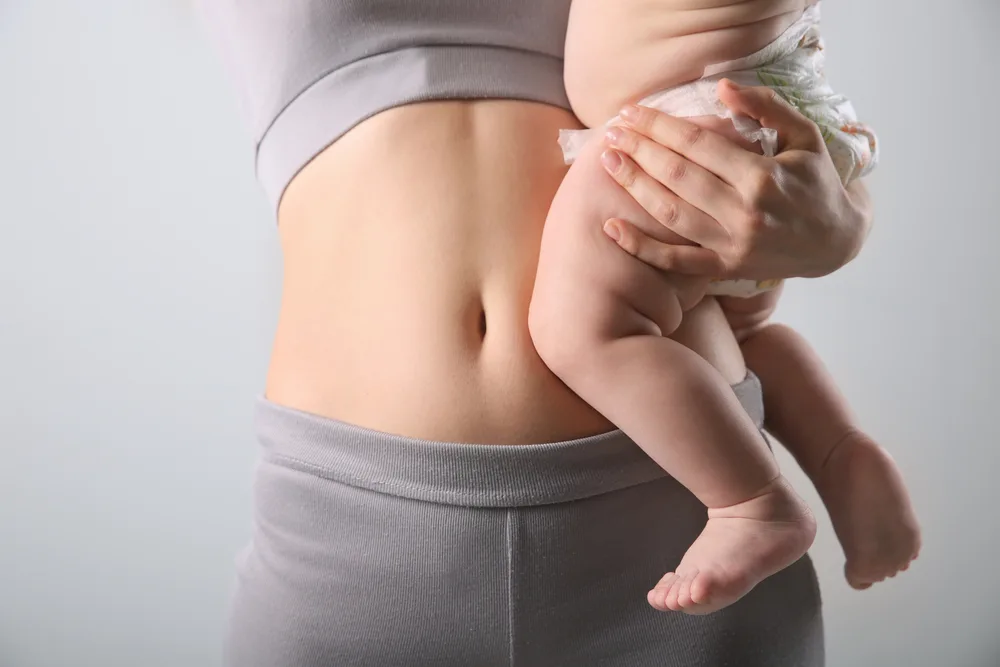
- After giving birth, you will notice physical changes in your body.
- This can impact your self-esteem and other aspects of your life.
- Look after yourself and focus on the hard work your body has put in to nurture your baby.
- If you are struggling with your body image after having a baby, it is okay to seek help.
In This Article
- Postpartum body changes
- Self-care tips for new mothers
- Getting back into exercise
- Navigating relationships and intimacy after childbirth
Postpartum body changes
Pregnancy and childbirth can result in various physical changes.
Your body may take time to return to its pre-pregnancy state, and some changes could be permanent.
These transformations can affect body confidence, energy levels, and overall mental health.
Weight fluctuations
Gaining weight during pregnancy is natural, but it’s important to achieve a healthy weight after birth.
Consult with a doctor or dietitian if you’re concerned about losing too much weight or if you were overweight before pregnancy.
Other body changes
You may notice loose skin, weaker abdominal muscles, stretch marks, changes in breast size, and varicose veins.
Some changes, such as scars from a cesarean section or tears, may be permanent.
Other potential complications include afterpains, incontinence, and fatigue.
If you have concerns, your doctor can assist with pain relief, pelvic floor recovery exercises, and managing fatigue.
Self-care tips for new mothers
Focusing on physical and emotional healing after childbirth is important for your body’s recovery.
Eating well
A balanced diet helps manage your weight, boosts energy, and ensures you feel good while nurturing your baby.
Ensure you’re getting enough calcium, protein, iron, fiber, and vitamins.
Stay hydrated and avoid skipping meals.
Having small, nutritious snacks throughout the day can help maintain your energy levels.
Getting back into exercise
Postpartum exercise can help improve your body image, promote weight loss, and boost your mood.
Consult your doctor about when it’s safe to start exercising, usually 4 to 6 weeks after childbirth.
Start with low-impact exercises like walking. Increase your duration and intensity gradually.
Avoid intense exercises like running or lifting weights for the first 12 weeks.
Stop comparing yourself to others
Each person’s postpartum body is unique. Avoid comparing your progress with others, especially what you see on social media.
Celebrate the positive changes your body has made and focus on your personal journey.
Embracing your new identity
Becoming a parent brings about profound changes in your identity and relationships.
While some may embrace this shift, others may find it challenging, affecting body confidence.
It’s completely normal to feel changes in your identity after having a baby, but if you’re struggling, don’t hesitate to reach out for help.
Seeking help when needed
Struggling with body image after pregnancy is common and can contribute to postnatal depression or anxiety.
If you’re having difficulties with mental health or body image, talk to a doctor, partner, family, or friends.
Reaching out for help is a sign of strength and resilience.
Navigating relationships and intimacy after childbirth
After childbirth, your relationship with your partner may change, and intimacy might take a backseat due to fatigue or hormonal changes.
It’s natural to experience a decrease in libido or not feel ready for sex immediately.
Discuss your feelings openly with your partner and address any concerns you may have about intimacy after pregnancy.
Find other ways to stay connected, such as cuddling, kissing, or going for walks together.
Tools and Assistance
- Consult a healthcare provider
If you’re experiencing physical changes or struggling with body image after pregnancy, it’s important to talk to your healthcare provider. They can offer guidance on weight loss, exercise plans, and mental health resources. - Visit a dietitian or nutritionist
A dietitian can help you create a personalized eating plan that supports weight loss and ensures you’re getting the necessary nutrients during the postpartum period. - Pelvic floor recovery exercises
Work with a physiotherapist to improve pelvic floor strength and abdominal recovery. These exercises can help address issues like incontinence or afterpains and can assist with regaining muscle tone after birth. - Postnatal support groups
Joining a postnatal group can provide you with emotional support and connect you with others going through similar experiences. It’s a safe space to share concerns about body image, mental health, and postpartum recovery. - Mental health support
If you’re feeling overwhelmed by body image issues or experiencing signs of postnatal depression or anxiety, professional mental health services are available. Therapy or counseling can provide valuable support as you adjust to your new identity and lifestyle. - Partner and family support
Lean on your partner and family for emotional and practical support. They can assist with childcare, household tasks, and provide reassurance when you’re struggling with your body image or mental health.








Please log in to leave a comment.