Highlights
- Sterilising bottles and feeding equipment is necessary for formula feeding, while cleaning with warm soapy water is usually enough for expressed breast milk.
- Replace bottles, teats, and feeding equipment as they show signs of wear.
- Aim to stop bottle feeding by 12 months of age.
- Follow your baby’s hunger cues rather than feeding according to a set schedule.
In This Article
- Why You Might Use a Bottle
- Bottle Feeding Basics
- How to Warm Bottles Safely
- Understanding Paced Feeding
- If Your Baby Doesn’t Finish a Bottle
- Bottle Cleaning Guidelines
- What to Do if Baby Refuses the Bottle
- How Many Bottles a Day?
- Risks of Overfeeding
- Transitioning From Bottle to Cup
- Tools and Assistance
Why You Might Use a Bottle
Breastfeeding is recommended for babies, but sometimes it may not be possible. An alternative is feeding with expressed breast milk or infant formula from a bottle.
Some parents are unable to breastfeed or choose not to. In some cases, breastfeeding may not be recommended due to medication use or certain medical conditions.
Mixed feeding, which includes both breastfeeding and bottle feeding with expressed breast milk or formula, can also be an option to meet the baby’s nutritional needs.
Bottle Feeding Basics
There are different types of bottles and teats available. Some babies may prefer a particular style or shape.
Feeding should be an enjoyable experience. Follow your baby’s cues to know when they are hungry and when they have had enough.
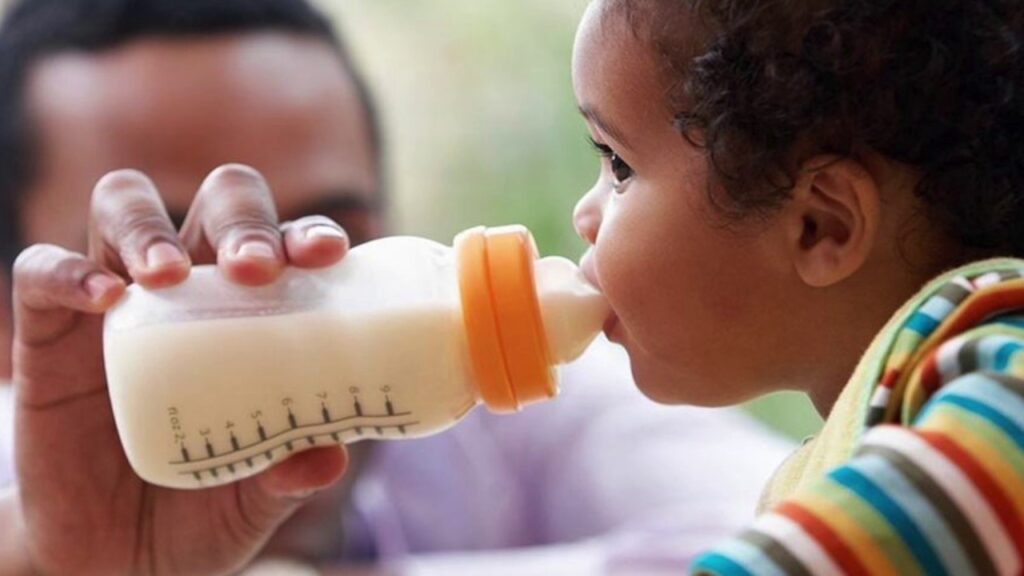
How to bottle feed your baby:
- Unwrap the baby so they can move and explore while feeding.
- Sit comfortably with proper back support.
- Talk gently and hold the baby close so they can see you.
- Check that the milk temperature and flow are suitable.
- Hold the bottle at an angle to keep milk in the teat and reduce air intake.
- Gently place the teat in the baby’s mouth and allow them to suck at their own pace.
- If the baby fusses or turns away, they may need a break or be full. Never force them to finish a bottle.
- If feeding more than one baby, try to feed them individually to give them personal attention.
How to Warm Bottles Safely
Formula and expressed breast milk can be warmed similarly:
- Stand the bottle in a container of hot water for a few minutes or use a bottle warmer.
- Test the temperature by placing a few drops on the inside of your wrist—it should feel just warm.
- Avoid using a microwave, as it can cause uneven heating and hot spots that may burn the baby.
Understanding Paced Feeding
Paced feeding allows bottle-fed babies to control the milk flow, reducing the risk of overfeeding and choking.
How to pace feed your baby:
- Feed based on hunger cues rather than a strict schedule.
- Hold the baby in a more upright position and support their head and neck.
- Use a slow-flow teat.
- Gently touch the teat to the baby’s lips to encourage them to open their mouth and latch naturally.
- Tilt the bottle just enough to fill the teat with milk.
- Allow the baby to pause and take breaks during feeding.
- Watch for signs that they have had enough, such as turning away or slowing down.
If Your Baby Doesn’t Finish a Bottle
Babies regulate their intake based on their needs. Appetite may vary daily.
- If a baby falls asleep during a feed, try burping or changing them to wake them up.
- Ensure they are having at least five wet nappies a day and that their stools are soft.
- Discard any leftover formula or expressed breast milk after one hour.
Bottle Cleaning Guidelines
- Sterilise bottles and teats before each use until the baby is 12 months old.
- If the baby is sick or was born prematurely, consult a healthcare professional about cleaning practices.
- Wash bottles and teats after every use. If immediate cleaning is not possible, rinse them with clean water to prevent residue buildup.
What to Do if Baby Refuses the Bottle
- If the baby refuses to feed, wait and try again later.
- Create a quiet, distraction-free feeding environment.
- Ensure the milk temperature and teat flow are appropriate.
- If feeding habits change suddenly, consult a healthcare professional.
How Many Bottles a Day?
- Newborns typically have 6 to 8 feeds in 24 hours.
- By around 3 months, babies may be satisfied with 5 to 6 bottles per day.
- Feeding frequency varies—babies should be fed based on hunger cues rather than a fixed schedule.
Risks of Overfeeding
Overfeeding is possible, particularly if feeding schedules are followed too rigidly rather than responding to hunger cues.
Transitioning From Bottle to Cup
- Try to transition from bottles to a cup by 12 months.
- This helps reduce the risk of tooth decay, ear infections, and low iron.
- Use a training or sipper cup with milk or water instead of a bottle.
Tools and Assistance
If you’re facing challenges with bottle feeding, you’re not alone. Many parents need support at some point. Here are helpful resources to consider:
- Talk to a child health professional if your baby refuses feeds or you’re unsure about feeding amounts.
- A lactation consultant can help guide you on combining breastfeeding and bottle feeding, or suggest ways to encourage bottle acceptance.
- Parent support groups offer emotional encouragement and tips from those with similar experiences.
- Feeding equipment specialists at baby stores can assist with choosing bottles or teats suited to your baby’s needs.












Please log in to leave a comment.