Highlights
- Breast milk can be expressed by hand or by using a pump.
- You can use a manual or an electric pump.
- If you need to pump regularly, an electric pump is usually best.
- Breast pumps are available for hire or purchase.
- Follow the instructions that come with your pump.
In This Article
- What a breast pump is and how it works
- Reasons you might need to express milk
- Types of breast pumps available
- How to choose the right breast pump
- Breast shield sizing and importance
- Where to find a breast pump
- How to use a breast pump step-by-step
- Tips to express more milk
- Safe storage for expressed milk
- Tools and Assistance
What a breast pump is and how it works
A breast pump is a device that helps extract milk from your breasts. The devices can either be manual (a hand pump) or electric.
There are 3 methods of expressing breast milk:
- Hand expressing
- Hand pump
- Electric pump
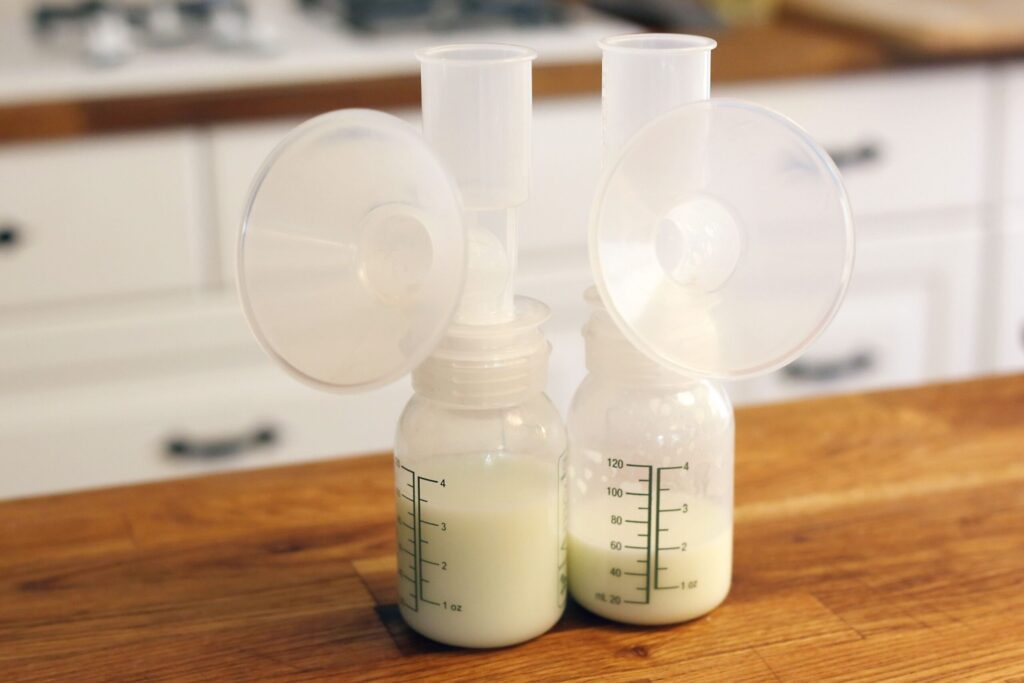
All breast pumps have a suction cup that fits over your nipple, a funnel, and a collection bottle. The pump copies the sucking action of your baby to make your milk start flowing.
Reasons you might need to express milk
If you are breastfeeding, you might need to express milk with a breast pump because:
- You are having short-term problems with breastfeeding, such as mastitis
- Your baby is ill or premature and unable to suck effectively at your breast
- You are not with your baby for every feed, perhaps because you are going back to work or someone else is caring for your baby for a while
- Your breasts feel uncomfortably full
- You want to mix breast milk with your baby’s first solid foods
- You want to express milk and store it in the freezer for emergencies
- You are trying to increase your breast milk supply
If you have more than one baby, talk to a doctor or lactation consultant about how to use a breast pump to increase your supply of breast milk.
You might only need to express for a few weeks, or you might need to pump long-term. There are different breast pumps designed for different levels of usage.
Types of breast pumps available
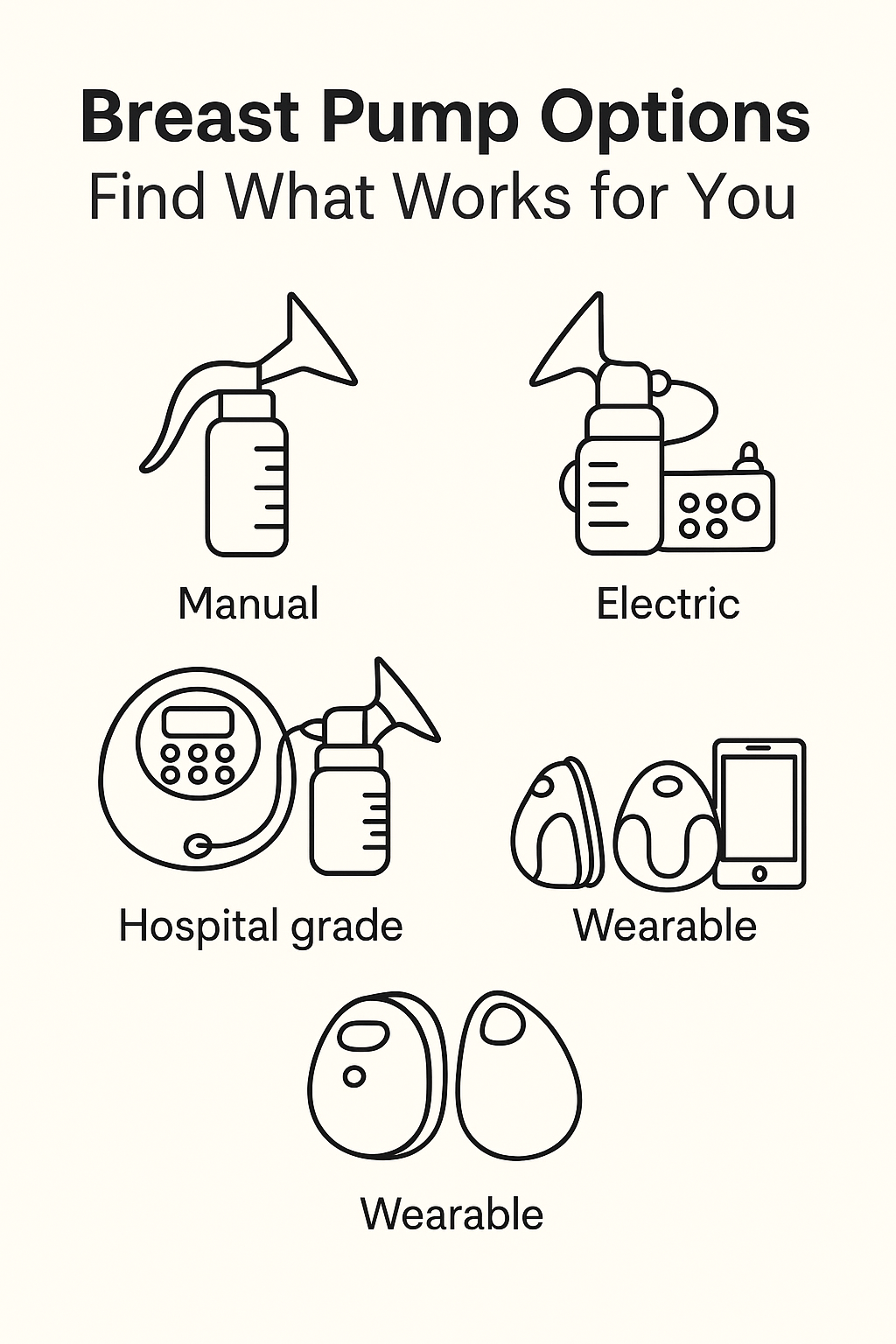
There are several different types of breast pump:
- Manual: You repeatedly squeeze a handle to pump out the milk.
- Electric: This is faster and requires less work than a manual pump.
- Hospital grade: If you need to pump more than once a day or for longer than 4 weeks, you may want to hire a hospital-grade pump. A hospital-grade pump has a barrier between the milk collection kit and the pump mechanism so the milk doesn’t come into contact with the air or any germs. You will need to buy your own milk collection kit.
- Wearable pumps: Some new pumps are designed to be worn inside your bra. These small pumps allow you to move about freely. They may not remove the milk as well as other pumps, so they are best used once you have a good milk supply.
How to choose the right breast pump
Think about how often you will need to express breast milk for your baby, and how long you will need to use a pump. You can ask a midwife, lactation consultant, early childhood nurse, or breastfeeding counsellor for advice.
Manual pumps are suitable for infrequent use (once a day or less) or short-term use (less than 4 weeks). They are smaller and more discreet than an electric pump. A hand pump is portable and quite inexpensive to buy.
If you are planning to use the pump more frequently or for longer, it might be best to buy or hire an electric breast pump. For example, if all your baby’s feeds will be expressed breast milk. Some electric pumps allow you to pump from both breasts at once. Electric pumps can be bulky and make more noise than a manual pump.
You might start off with a manual pump and change to an electric pump if you find you use it a lot. Whichever you decide on, choose the highest quality pump you can afford.
Breast shield sizing and importance
Breast pumps come with different size breast shields. It’s important to get a shield that is the right size for you.
If it’s too small, your nipple will rub against the sides. If it’s too big, your areola will be pulled into the funnel, causing soreness and affecting your milk flow.
The shield is the right size if your nipple fits into the funnel easily and comfortably while pumping. Breast shield sizes range from small (21mm) to XXL (36mm).
Where to find a breast pump
Manual pumps and personal electric pumps are available to buy from pharmacies and baby supply stores.
Hospital-grade electric breast pumps can be hired from some pharmacies or specialized services.
How to use a breast pump step-by-step
Getting ready
- Read the manufacturer’s instructions on assembling, using, and cleaning your breast pump.
- Have a trial run and practice using the pump so you can get comfortable with it before you need it.
- Wash your hands with soap and water and dry them well each time.
- Find a comfortable private place and grab a glass of water.
Running the pump
- Gently massage your breast towards the center before placing the cup or shield over your nipple.
- Make sure there is good contact between the cup and your breast.
- Relax and start the pump.
- With a manual pump, use a steady rhythm.
- With an electric pump, start on a low suction and then increase as you feel comfortable.
- Pump until your breast is softer or your milk flow stops. This might take 10-15 minutes.
- Repeat these steps for your other breast.
- Seal and label the container of expressed breast milk.
If expressing is painful, ask your health professional for advice. You could try expressing one breast while your baby is feeding on the other.
Tips to express more milk
If you are not able to pump much breast milk, consider these suggestions:
- Try some warmth on your breast
- Massage your breast
- Check that your pump and collection kit are put together correctly and are not wearing out or leaking
- Move up to a stronger suction as you get comfortable
- Change between breasts and back again during a pumping session
- Increase how often you pump
Speak to your local child and family nurse or doctor about ways to support breast milk production. There are also medicines that your doctor can give you to support breast milk production.
Safe storage for expressed milk
Expressed breast milk can be stored in the fridge or freezer in clean glass or plastic containers, including sealable plastic bags.
Tools and Assistance
- Many pharmacies and baby stores offer breast pump rentals and accessories
- Ask your doctor, midwife, or lactation consultant if you’re unsure which breast pump suits your needs
- Local parenting support groups can provide peer tips and encouragement










Please log in to leave a comment.