Highlights
- A caesarean section is an operation to give birth to your baby through a cut in your abdomen.
- A caesarean section is a major operation, with some risks to you and your baby.
- Sometimes, a caesarean section is the safest birthing option — your doctor will advise you on risks and benefits in your situation.
- You may plan to have a caesarean section because of a medical reason, because it is your preference or you may need to have an unplanned emergency caesarean section quickly.
- After having a caesarean section you may still be able to have a vaginal birth in the future.
In This Article
- Understanding Caesarean Birth
- Reasons You Might Need a C-Section
- What to Expect During a Caesarean
- Your Baby’s Care During a C-Section
- Who Will Be Present in the Operating Room
- Support Person Guidelines
- Pain Relief Options During Surgery
- Possible Risks and Complications
- Recovering After a Caesarean Birth
- Future Birth Choices After a C-Section
- Tools And Assistance
Understanding Caesarean Birth
A caesarean section (C-section or caesarean) is a surgical procedure where a baby is delivered through an incision made in the abdomen and uterus. This procedure can be planned in advance, or it may become necessary during labor due to complications or concerns for the health of the mother or baby. While vaginal births are often the preferred method, a C-section may be the safer option in certain situations.
Reasons You Might Need a C-Section
There are several reasons why a caesarean may be recommended. Some of the most common reasons include:
Safety concerns for the mother or baby: If there are any health issues that put either the mother or baby at risk, a C-section may be considered the safest option.
Breech or transverse position: If the baby is in the breech position (bottom first) or transverse position (lying sideways), a C-section may be necessary, especially if the doctor does not recommend a vaginal birth in these situations.
Placenta complications: If the placenta is covering the cervix (placenta previa), it can obstruct the baby’s passage, requiring a C-section.
Previous C-sections: If you have had previous C-sections, your doctor may recommend a C-section for future births to reduce risks associated with vaginal delivery after a C-section (VBAC).
Failure of labor to progress: If labor stalls or does not progress as expected, a C-section may be required.
Severe bleeding or other complications: If there is heavy bleeding or other complications, an emergency C-section may be necessary to ensure the safety of the mother and baby.
Your doctor will explain the reason for the C-section and ensure that you understand the potential risks and benefits based on your unique situation.
What to Expect During a Caesarean
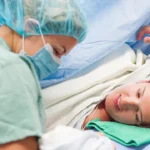
The C-section procedure typically takes about 30 to 40 minutes. During this time, the medical team will ensure that both the mother and baby are safe. The baby is usually born within the first 10 minutes of the surgery.
Here’s what you can expect:
Anesthesia: Most C-sections are done under regional anesthesia, such as an epidural or spinal block, which numbs the lower half of your body while keeping you awake. In certain emergencies, a general anesthesia may be used, and the mother will be asleep during the procedure.
Incision: The surgeon will make a cut in the skin near the bikini line, then through the underlying muscle and tissue, before reaching the uterus. In some cases, a vertical incision may be required if the situation is urgent.
Catheter and IV lines: A catheter will be inserted into your bladder to drain urine during the surgery. Additionally, an intravenous (IV) line will be placed in your arm to administer fluids and medication.
Support person: In most cases, you will be able to have a partner or support person with you in the operating room to provide emotional support. If general anesthesia is used, your support person will not be allowed in the room.
Monitoring: The baby will be monitored by a paediatrician or midwife once born to ensure their health. If there are no immediate concerns, you will be able to hold your baby for skin-to-skin contact.
Your Baby’s Care During a C-Section
Once your baby is born, they will be passed to a midwife or paediatrician who will assess their condition. In most cases, the baby will be dried off and checked for any signs of distress or health issues. If your baby is doing well, they may be placed on your chest for skin-to-skin contact immediately after birth. If the baby has trouble breathing or needs further medical care, the paediatrician will attend to them in the operating room.
Who Will Be Present in the Operating Room
During the C-section, several medical professionals will be present to ensure the safety of both the mother and baby. These typically include:
Obstetrician: The doctor performing the surgery and delivering the baby.
Anaesthetist: The doctor who administers the anesthesia.
Scrub nurse: Assists the obstetrician by handing over instruments.
Scout nurse: Helps the scrub nurse and ensures the operating area is prepared.
Anaesthetic nurse: Assists the anaesthetist during the procedure.
Paediatrician: Looks after the baby after delivery.
Midwife: Provides post-operative care for both the mother and baby.
Operating room technician: Manages the operating room environment and helps move the mother to the operating table.
Support Person Guidelines
Generally, you can have one support person, such as a partner, with you during the procedure. However, if you need a general anaesthetic, your support person will not be allowed in the operating room, as you will be asleep during the surgery.
Pain Relief Options During Surgery
Pain relief options vary depending on your situation, and your doctor will discuss the most appropriate choice for you. Common pain relief options include:
Epidural: A hollow needle is used to insert a catheter near the spinal cord. This allows the administration of local anesthesia to numb the lower half of the body.
Spinal block: Similar to an epidural, but with a single dose of anesthesia injected directly into the fluid around the spinal cord. This results in faster numbing, but the effects cannot be topped up.
General anaesthetic: If regional anesthesia is not an option or if there are complications, a general anaesthetic may be used, causing you to be unconscious during the procedure.
Possible Risks and Complications
Although C-sections are generally safe, they are major surgeries that carry some risks. The potential risks include:
Risks to the mother:
- Blood loss
- Wound infection
- Blood clots in the legs or lungs
- Damage to nearby organs, such as the bladder
- Reactions to anesthesia
- Hysterectomy (rare and typically only in cases of life-threatening bleeding)
The risks are higher if the mother is overweight or has existing health conditions. Additionally, future pregnancies may carry higher risks due to the previous C-section.
Risks to the baby:
- Temporary difficulty breathing, especially if the baby was born prematurely
- Minor cuts, which usually heal without complications
- Bruising, especially if forceps are used to assist the birth
Recovering After a Caesarean Birth
Recovery after a C-section typically takes longer than recovery from a vaginal birth. You will likely experience some pain for the first few days, but pain-relief medications can help manage this. Always consult your doctor before taking any medication while breastfeeding.
You will typically stay in the hospital for 3 to 5 days, depending on your recovery. Your healthcare team will provide advice on recovery, including how to care for the incision site and manage any discomfort.
Most women are able to breastfeed shortly after the surgery, although positioning may require some assistance due to the incision. If needed, a lactation consultant can provide extra support.
Future Birth Choices After a C-Section
After a C-section, you may be able to have a vaginal birth in a subsequent pregnancy, known as a vaginal birth after caesarean (VBAC). However, this depends on individual factors such as the type of incision used, your medical history, and the specifics of your current pregnancy. It is essential to discuss the risks and benefits of VBAC with your doctor.
If you prefer to have another C-section, keep in mind that the risks of complications may increase with each subsequent cesarean delivery. Your healthcare provider will help you weigh your options and make an informed decision.
Tools And Assistance
There are various tools and support systems available to help you navigate a caesarean birth and the recovery process:
- Postnatal care: Ongoing check-ups and at-home visits (if available) can assist you in healing physically and emotionally.
- Educational resources: Information from your healthcare provider or antenatal classes can help you understand what to expect and how to prepare.
- Hospital care teams: Midwives, lactation consultants, and maternity ward staff are available to support you during recovery.
- Peer support: Talking to other parents who have experienced a C-section can help with emotional reassurance.
- Counselling services: If you find the birth experience difficult, professional psychological support may be helpful in processing your emotions.











Please log in to leave a comment.