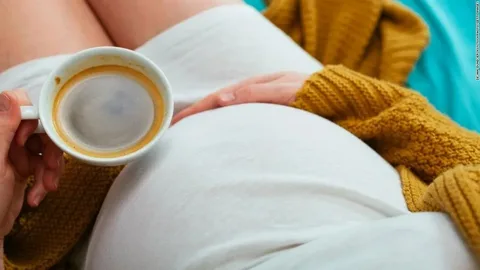
Highlights
Caffeine is a drug the comes from the leaves, nuts or berries of plants.
It is commonly found in coffee, tea, chocolate and some energy drinks.
If you are pregnant or breastfeeding, having no more than 200 milligrams (mg) of caffeine a day is considered safe.
Having too much caffeine during pregnancy may increase the risk of pregnancy complications.
In This Article
- What Is Caffeine?
- Caffeine in Foods and Drinks
- Medications That Contain Caffeine
- Recommended Limit During Pregnancy and Breastfeeding
- Risks of Excessive Caffeine
- Alternatives to Caffeine
- Caffeine Chart
- Tools and Assistance
What Is Caffeine?
Caffeine is a drug that comes from the leaves, nuts and berries of certain plants. Caffeine works as a stimulant, speeding up the brain and activating the nervous system.
Caffeine in Foods and Drinks
Caffeine can be found in a range of foods and drinks.
It is commonly found in:
- coffee
- tea
- chocolate
- cola
- energy drinks
Some caffeine products are not considered safe for consumption and have been banned in Australia and New Zealand. These products usually come in the form of powders and syrups and are typically marketed as sports supplements. Food standards codes in Australia also require the clear labelling of products. This helps to advise people of products that are not suitable for young children and pregnant or breastfeeding women. Products containing caffeine must list caffeine as an ingredient on its label.
Medications That Contain Caffeine
Some prescription and over-the-counter medications have caffeine. Most commonly, medications for coughs and colds, headaches and some slimming medications have caffeine.
It’s best to speak to your doctor or pharmacist before taking any medication or supplements while pregnant or breastfeeding.
Recommended Limit During Pregnancy and Breastfeeding
The recommended maximum amount of caffeine you should have during pregnancy and breastfeeding is 200mg per day (in total).
Risks of Excessive Caffeine
Having too much caffeine during pregnancy may increase the risk of complications, including miscarriage, stillbirth, low birth weight and/or having a baby who is small for their gestational age.
Some women find they become more sensitive to caffeine during pregnancy, reporting that even small amounts make them feel jittery and anxious.
Caffeine can also affect sleep, causing pregnancy insomnia and it may make morning sickness worse. Another side effect is more frequent urination (needing to wee more often) and bladder irritation.
Cutting back or stopping caffeine completely is made easier for some women who report that they don’t often like its smell during this time.
Alternatives to Caffeine
If you’re used to a few cups of coffee or tea each day, you may have withdrawal symptoms when you stop. This can include headaches, irritability, tiredness and feeling ‘on-edge’. Keep in mind, these symptoms are temporary, lasting up to about a week, and they will go away.
You can replace tea and coffee with:
- plain water with lemon or lime pieces — but be mindful that acid can affect tooth enamel and lead to decay so rinse your mouth with plain water after drinking acidic fluids
- herbal teas — make sure the teas are caffeine free
- plain fruit juice or fruit juice diluted with water or soda water so it’s not so sweet
- vegetable juice
- a glass of milk
- unsweetened soft drinks
If you’re struggling to cut back the amount of caffeine in your diet, speak to your GP or maternity care provider for advice.
Caffeine Chart
For women who are pregnant or breastfeeding, it is recommended to limit your caffeine to no more than 200mg each day.
It is always best to check product labels for exact caffeine amounts.
| Product | Dose | Annotations |
|---|---|---|
| Instant coffee | 60-100 mg per cup | The amount of caffeine depends on how much you put in the cup. |
| Fresh coffee | 80-350 mg per cup | The amount of caffeine depends on: the type of beans (‘Robusta’ contains more caffeine than ‘Arabica’)the way the coffee is madethe strength of the brew |
| Decaffeinated coffee | 2-4 mg per cup | The amount of caffeine is usually marked on the packet. |
| Tea | 8-90 mg per cup | Caffeine content depends on how strong the brew is. |
| Cola drinks | 35 mg per 250ml serve | Cola drinks often contain a lot of sugar too. |
| Cocoa and hot chocolate | 10-70 mg per cup | The amount of caffeine depends on the strength of the brew and the other chemicals in the product. |
| Some prescription and over-the-counter medications | 20-100 mg per dose | Some medicines (cough, headache and slimming products) contain caffeine. |
Tools and Assistance
- Use a caffeine tracking app to monitor your daily intake.
- Create a drink substitution plan with your care provider to help you stay below the limit.
- Print or save a caffeine reference chart on your fridge or phone.
- Join support communities or talk to your maternity team if you need help making changes.








Please log in to leave a comment.