Highlights
- Babies must be in a rear-facing seat until at least 6 months old
- Children under 145 cm should use a booster or child restraint
- Most car seats follow height and weight, not just age
- Never leave your child unattended in a car, especially in hot weather
- Second-hand seats may be unsafe unless thoroughly checked
In This Article
- Best Car Seat for Babies
- Best Car Seat for Children
- Moving to an Adult Seat
- Choosing the Right Car Seat
- Changing Restraints Safely
- Buying a Second-Hand Car Seat
- Installing a Child Car Seat
- Using Taxis and Rideshares
- Teaching Road Safety
- Leaving Kids in the Car
- Hot Weather Car Safety
- Tools And Assistance
Best Car Seat for Babies
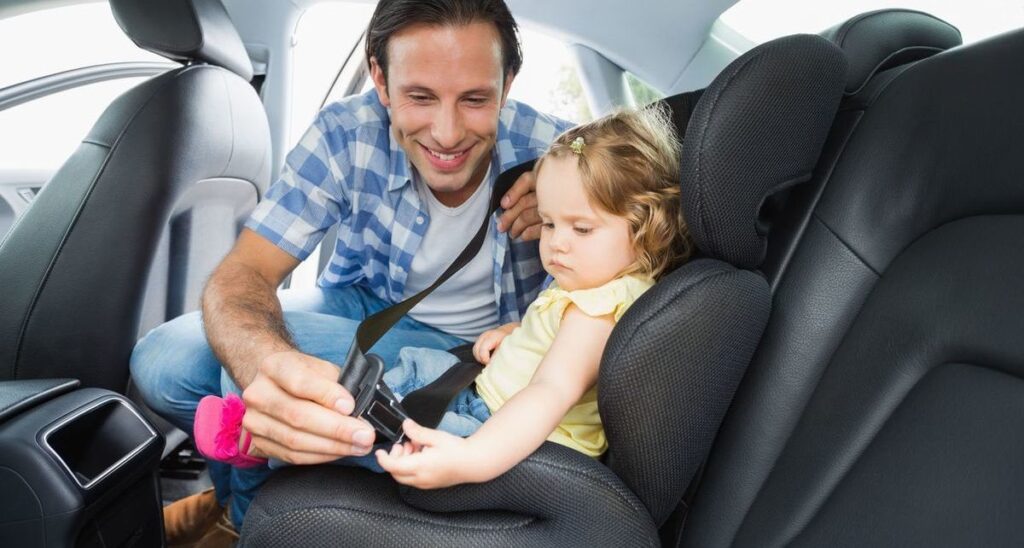
Babies must be secured in an approved rear-facing car seat until they are at least 6 months old. Children up to 4 years old should not sit in the front seat if the car has more than one row of seats. Rear-facing car seats cannot be used in the front seat if there is a passenger airbag. Height-based recommendations for car restraints are preferable to age-based ones.
Best Car Seat for Children
Moving a child too early to the next type of restraint can increase the risk of serious injury in a car crash. Children aged 4 to 7 years must be secured in an appropriate forward-facing restraint or booster seat. Children aged 7 years and older can use a booster seat or seatbelt. Children aged 7 to 16 who are too small for a seatbelt should use a booster seat.
Moving to an Adult Seat
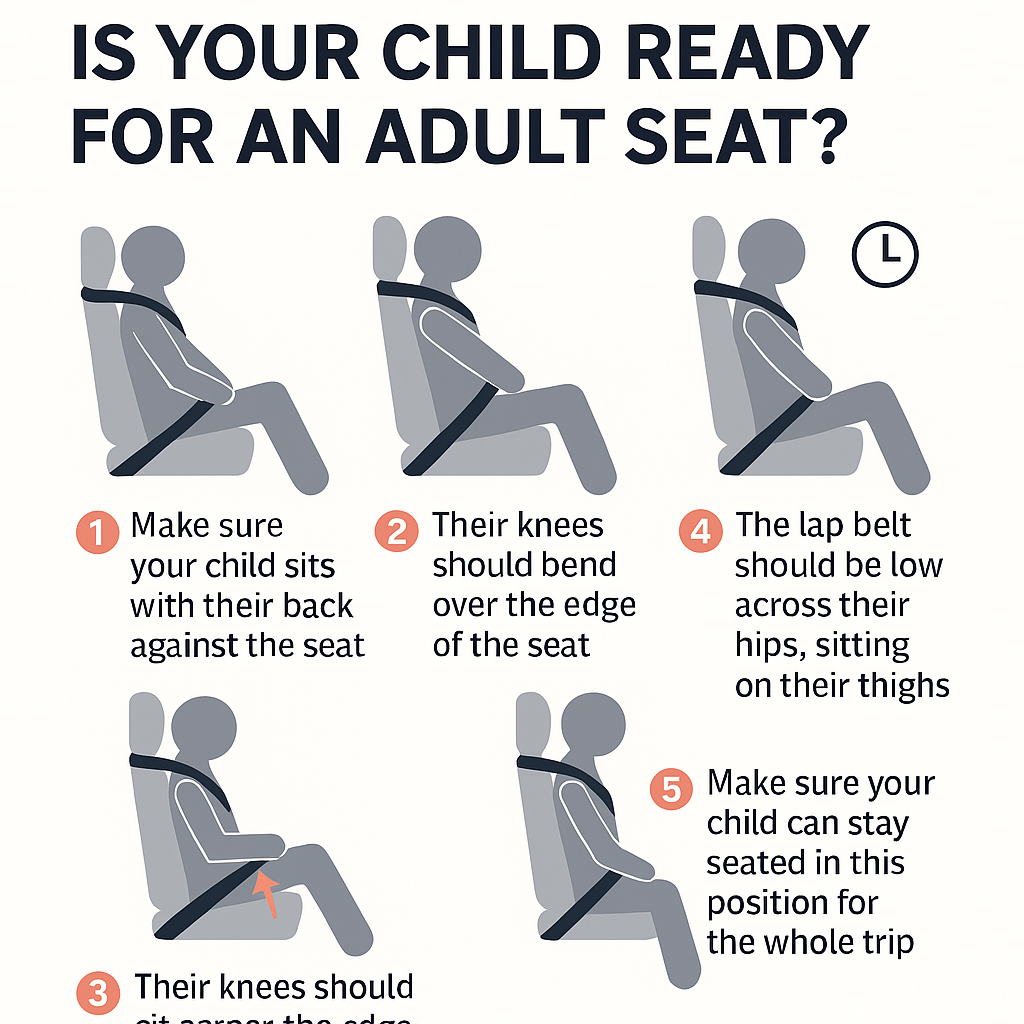
A child should only move to an adult seat when they are 145 cm tall or older and pass the 5-step safety test. The 5-step safety test ensures the seatbelt fits correctly. Most children will not reach 145 cm until approximately 11 years old. It is recommended that children under 12 years always sit in the back seat of a car, as it offers more protection.
Choosing the Right Car Seat
Choose a car seat that suits your child’s age and size. A car seat that is too large can be unsafe, as it may not properly restrain your child in the event of a crash. Always check the manufacturer’s recommendations for age, height, and weight to make sure the seat is suitable.
Buy a car seat from an outlet that only stocks restraints that meet current safety standards. Where possible, buy a new car restraint. Car seats vary according to the specific needs of the child as they grow.
Changing Restraints Safely
Car restraint guidelines suggest moving through different stages as your child grows. Babies under 6 months should use a rear-facing restraint. Children 6 months to 4 years should use a rear-facing restraint as long as they fit, then move to a forward-facing seat. Children 4 to 7 years old should use a forward-facing seat or booster. Children older than 7 years can use a booster seat until they are tall enough to use an adult seatbelt.
Buying a Second-Hand Car Seat
Second-hand car seats can be risky due to unknown histories, such as involvement in a crash. If you choose to buy a second-hand car restraint, make sure it:
- Is undamaged and in good condition
- Is less than 10 years old and meets current safety standards
Be aware that the safety of second-hand car seats can be compromised by damage, wear and tear, or changes in safety regulations. It’s important to ask the seller about the seat’s history, and check for expiration dates.
Installing a Child Car Seat
Always follow the manufacturer’s instructions for proper installation of the car seat. If unsure, contact an authorized fitting station for assistance. Car seats must be installed tightly in the car without any movement when tested. Make sure the harness is positioned properly to secure your child safely.
Using Taxis and Rideshares
If possible, travel in a car with a child restraint. Many taxi services can provide one if requested. Car seats are not legally required in buses, trains, or taxis. Infants under 1 year should be on your lap in the back seat. Children older than 1 year and less than 7 years can use a seatbelt in the back seat. If you have an infant on your lap, use a seatbelt to secure yourself, but do not share the seatbelt with your child.
Teaching Road Safety
Start teaching road safety as early as possible, even when your child is in a stroller. Teach your child about road safety in real-life situations, such as crossing streets. The basic rules for children are: “Stop, Look, Listen, and Think.” Reinforce messages from school about road safety. The more practice your child gets around real roads and traffic, the better.
Leaving Kids in the Car
Never leave your baby or child unattended in a car. The temperature inside a car can rise quickly and be life-threatening. Leaving a child alone in a car puts them at risk of heatstroke, injury, or theft. Always make sure your child is safely out of the car when you leave, even if it’s just for a quick errand.
Hot Weather Car Safety
Make sure your child is safe and comfortable in hot weather by using sunshades and appropriate clothing. Use the air conditioning or open windows to maintain a comfortable temperature. Check on your child regularly during car trips to ensure they remain safe and hydrated. Never leave your child alone in the car, especially in hot weather, as the temperature inside a car can rise rapidly, even on a relatively mild day.
Tools And Assistance
Check local health services, child safety organizations, and parenting programs for help with:
- Car seat inspections and fitting advice
- Choosing the right restraint for your child’s age and size
- Road safety educational resources
- Support lines for car safety or parenting questions










Please log in to leave a comment.