Highlights
- Cerebral palsy is caused by a brain injury.
- It can affect movement, coordination, muscle tone, and posture.
- There is no cure for cerebral palsy.
In This Article
- What is cerebral palsy?
- What are the types of cerebral palsy?
- What are the symptoms of cerebral palsy?
- What causes cerebral palsy?
- When should I see my doctor?
- How do I know if my child has cerebral palsy?
- How is cerebral palsy diagnosed?
- How is cerebral palsy managed?
- Can cerebral palsy be prevented?
- Tools And Assistance
What is cerebral palsy?
Cerebral palsy is a condition that affects body movements and is caused by a brain injury. The injury can occur before, during, or after birth, and the condition does not worsen over time. The brain damage affects how your body moves and may also affect posture. Cerebral palsy can cause:
- Floppy or stiff muscles
- Muscle movements that cannot be controlled
- Issues with movement, coordination, muscle tone, and posture
- Problems with sight, hearing, speaking, eating, and learning
It can affect the entire body or just one part. The damage to the brain is permanent, and there is no cure.
What are the types of cerebral palsy?
There are 4 main types of cerebral palsy:
- Spastic – muscles are weak and stiff, making movements difficult or awkward.
- Dyskinetic (athetoid) – difficulty controlling muscles, which can affect the ability to sit upright, speak, and eat.
- Ataxic – jerky and clumsy movements due to problems with balance and coordination.
- Mixed – a combination of symptoms from the above types.
What are the symptoms of cerebral palsy?
Cerebral palsy causes a range of symptoms, including:
- Stiff or floppy muscles
- Exaggerated reflexes
- Muscle weakness
- Lack of muscle coordination
- Uncontrolled body movements
- Problems with balance and coordination
- Difficulty with swallowing, sucking, or eating
- Preference for using one side of the body
Symptoms vary in severity and typically appear in the first 2 years of life. People with cerebral palsy may also have other conditions like:
- Intellectual disability
- Epilepsy
- Delayed growth
- Spinal deformities
- Trouble seeing, hearing, or speaking
What causes cerebral palsy?
Cerebral palsy occurs when there’s damage to the developing brain, particularly the motor cortex that controls muscle tone. Possible causes include:
- Low oxygen levels
- Poor circulation of the baby’s blood
- Infection or trauma
- Improper brain development in the womb
Risk factors include:
- Premature birth or low birth weight
- Infection in the womb
- Birth defects
- Lack of oxygen at birth
- Severe jaundice
In some cases, cerebral palsy can result from accidents, such as near-drowning or brain injuries during early childhood.
When should I see my doctor?
You should consider seeing a doctor if your child:
- Is slow to develop physical skills like sitting, standing, or walking
- Has not started talking at an age when they should
- Has tight or floppy muscles or unusual posture
How do I know if my child has cerebral palsy?
Cerebral palsy can’t be diagnosed through a single test and might not be detected during pregnancy. It’s often noticed when a baby or toddler doesn’t meet developmental milestones. Signs in babies may include:
- Muscle stiffness or spasms
- Low muscle tone (feeling “floppy”)
- Difficulty holding up the head or sitting up
- Problems with swallowing or feeding
- Preferring to use one side of the body
In toddlers, symptoms might include:
- Not walking by 12 to 18 months
- Not speaking simple sentences by age 2
How is cerebral palsy diagnosed?
A doctor will examine your child and run tests, such as:
- Hearing and vision tests
- Blood tests
- Imaging (ultrasound, CT scan, MRI)
They may refer you to a pediatrician. It can take time to diagnose cerebral palsy, with mild cases taking months or even years for confirmation.
How is cerebral palsy managed?
While cerebral palsy cannot be cured, it can be managed with support from a team of healthcare professionals to assist with:
- Mobility
- Speaking, seeing, and hearing
- Eating and drinking
- Pain management
- Learning
- Bladder and bowel control
- Emotional well-being
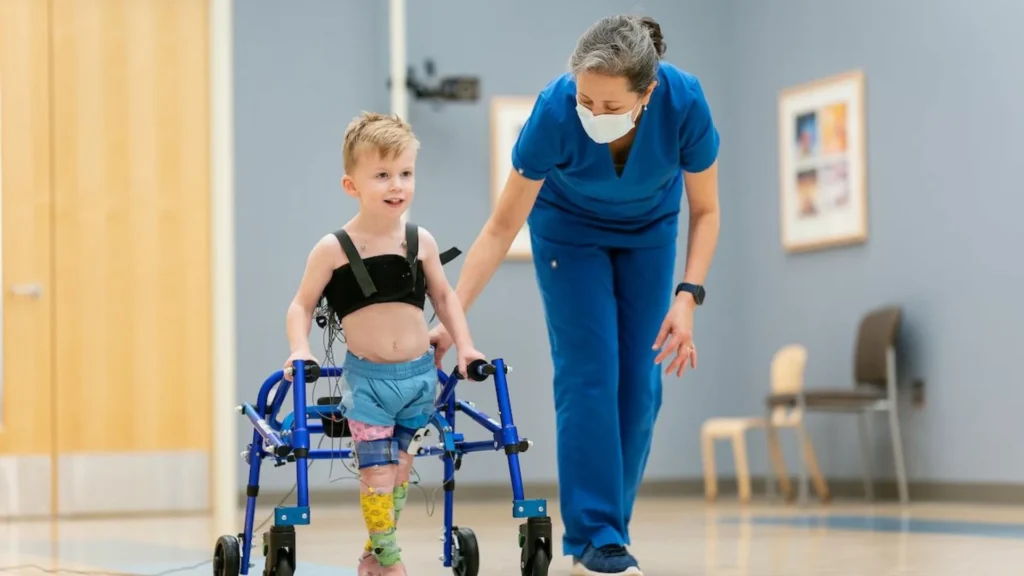
Physiotherapists and occupational therapists can assist with tasks like sitting, walking, dressing, and using the toilet. Special equipment such as walking frames, wheelchairs, and braces may be recommended.
Medications may be needed for conditions like epilepsy, pain, sleep, and muscle stiffness. Adults with cerebral palsy may need to adapt their working conditions, such as flexible hours or changes to their physical work environment.
Can cerebral palsy be prevented?
There is currently no way to prevent cerebral palsy. However, medical treatments and safety laws have helped reduce the risk and severity of the condition. Vaccination against rubella has also contributed to lowering the number of children born with brain damage that could lead to cerebral palsy.
Tools And Assistance
There are many resources available for people with cerebral palsy and their families, including:
Support services through organizations like the Cerebral Palsy Alliance
Therapies and life skill programs












Please log in to leave a comment.