Highlights
- Pregnancy can cause changes to your skin, including increased sensitivity, dryness, or darkening in certain areas.
- Most skin changes during pregnancy are temporary and will fade after childbirth.
- Non-prescription skin care products are generally safe, but check ingredients for harmful substances.
- Sunscreen is essential during pregnancy to protect your skin from UV damage.
In This Article
- How Pregnancy Affects Your Skin
- Common Skin Conditions During Pregnancy
- How to Care for Your Skin During Pregnancy
- Products to Avoid During Pregnancy
- Sun Exposure and Skin Care During Pregnancy
- Hair Removal During Pregnancy
- Skin Changes Postpartum
- Tools and Assistance
How Pregnancy Affects Your Skin
Pregnancy can lead to changes in skin appearance and texture due to hormonal fluctuations and increased blood flow. For some, skin may look more radiant, while others may experience dryness, blotchiness, acne, or increased sensitivity. Skin areas like the nipples, armpits, inner thighs, genital region, and under the eyes may darken.
Common Skin Conditions During Pregnancy
Acne
Hormonal changes in early pregnancy may cause acne flare-ups, although it often improves by the last trimester. Postpartum, breastfeeding can help regulate acne.
Eczema
Eczema, or atopic dermatitis, can cause dry, itchy, and red skin. Commonly affecting the face, wrists, ankles, and behind the knees, it often appears in the first two trimesters.
Linea Nigra
This dark line running down the middle of the abdomen typically appears during the first trimester. It is harmless and doesn’t require treatment.
Melanocytic Naevi (Moles)
Moles may change in size or appearance during pregnancy due to increased pigmentation. While most changes are harmless, any significant alterations should be evaluated by a doctor to rule out melanoma.
Prurigo of Pregnancy
Prurigo is an itchy rash that appears as dry, bumpy spots, usually on the abdomen, arms, or legs. It often develops in the first or second trimester but is not harmful to the baby.
Melasma
Known as the “mask of pregnancy,” melasma causes brown patches, usually on the face. It typically develops in the second or third trimester. Treatment options are limited, so consult a dermatologist for advice.
Stretch Marks
Stretch marks (striae) appear as red, pink, or purple lines, usually on the abdomen, thighs, breasts, hips, and upper arms. They often fade over time, but no treatment has been proven to prevent them completely.
Varicose Veins
Due to increased blood volume and pressure, varicose veins may appear on the legs. These swollen veins can cause discomfort but generally improve after childbirth.
How to Care for Your Skin During Pregnancy
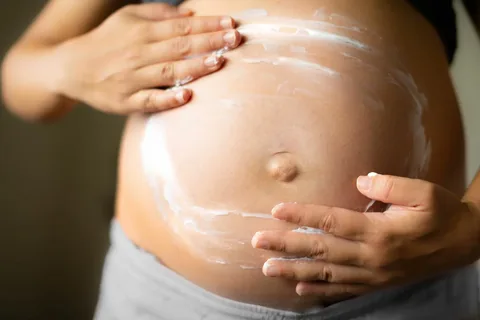
Most non-prescription moisturizers and cosmetics are safe for use during pregnancy, but be cautious as pregnancy can make your skin more sensitive. Always check the ingredients and consult a pharmacist if you’re unsure about the safety of a product.
Products to Avoid During Pregnancy
Some ingredients can be harmful during pregnancy and should be avoided, such as:
- Products containing Vitamin A (retinol, tretinoin)
- Bleaching agents with hydroquinone
- Hair loss treatments with minoxidil
When in doubt, avoid using unverified or unbranded products, especially those purchased online.
Sun Exposure and Skin Care During Pregnancy
Direct sun exposure can lead to skin damage and increase the risk of skin cancer. Pregnancy may make your skin more prone to tanning and pigmentation changes, so using sunscreen is essential. Protective clothing, such as hats or long sleeves, will also help minimize UV exposure. Fake tan lotions are generally safe, but avoid spray tans since the effects of inhaling tanning solutions during pregnancy are unknown.
Hair Removal During Pregnancy
Waxing and hair removal creams are typically safe during pregnancy, though increased skin sensitivity may cause reactions. Perform a patch test before using hair removal creams, even if you’ve used them before.
Skin Changes Postpartum
Most skin changes caused by pregnancy, including acne, pigmentation changes, and stretch marks, will gradually fade after childbirth. If you experience persistent skin issues or concerns, consult with your healthcare provider for appropriate care and treatment options.
Tools and Assistance
If you’re experiencing skin changes during pregnancy, here are some tools and resources that can help:
- Skin Care Advice: Consult with a dermatologist or your healthcare provider to get personalized advice on managing skin conditions during pregnancy. They can help with safe product recommendations and guide you on treatment options for common skin issues like acne, eczema, or melasma.
- Pregnancy-Safe Skin Care Products: Look for skincare products labeled as pregnancy-safe. Many brands offer moisturizing lotions, sunscreens, and other products designed to be gentle on your skin during pregnancy.
- Pregnancy Support Groups: Joining online or local support groups for expectant mothers can provide a space to share experiences and learn from others who may have dealt with similar skin issues during pregnancy.
- Relaxation Techniques: Managing stress through relaxation techniques such as prenatal yoga, meditation, or breathing exercises can help improve skin health and overall well-being during pregnancy.
- Nutritional Guidance: A nutritionist can help you plan a diet rich in vitamins and minerals that support healthy skin. A balanced diet can improve your skin’s appearance by boosting hydration and providing essential nutrients.
If you have any concerns about the safety of certain products or skin changes, always consult your healthcare provider to ensure that you’re using safe and effective solutions during your pregnancy.












Please log in to leave a comment.