Highlights
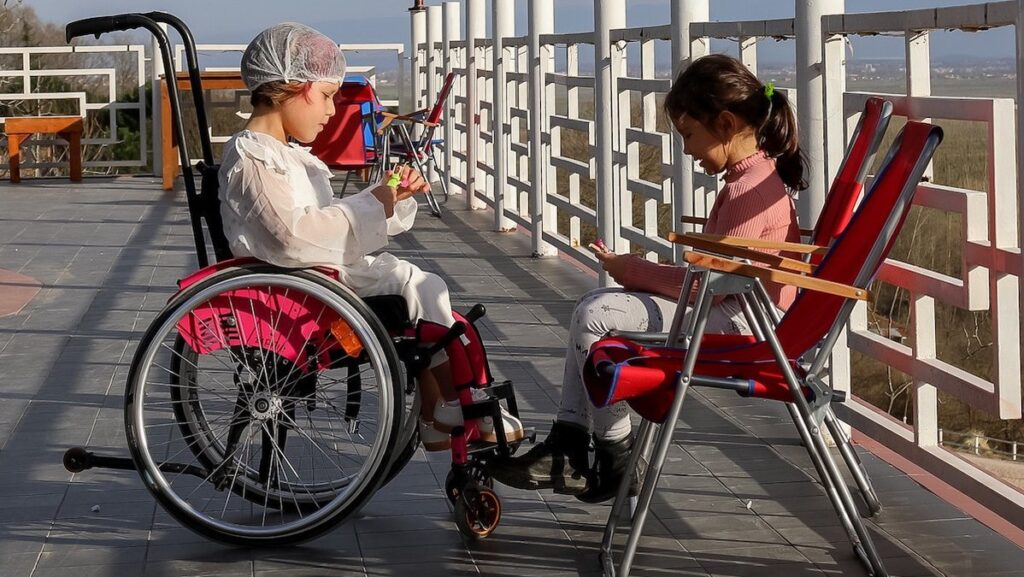
- Everyday life can be challenging for a child with a disability.
- Disabilities can impact your child in different ways, both physically and intellectually.
- Children with disabilities may have additional needs, as well as strengths in other areas.
- If your child has a disability, they have legal rights to protect them from discrimination.
- If your child has a disability, you can find support for them, and for yourself.
In This Article
- What is childhood disability?
- What are the different types of childhood disability?
- What is the difference between developmental delay and disability?
- What do I do if my child has a disability?
- How can I support my child’s education?
- What are my child’s legal rights?
- How may my child’s disability impact me?
- How can I manage my feelings?
- Tools And Assistance
What is childhood disability?
A disability is an impairment that impacts a person’s core activities, which are:
- communication
- self-care
- mobility — the ability to move around
Disability in children is common. A child with a disability may not be able to do some things as easily as most other children. Disability can:
- impact how they physically function
- affect their senses such as seeing or hearing
- make it hard to think clearly
- involve their mental health and social skills
Disability in childhood can have a lifelong impact on:
- physical and mental health
- emotional wellbeing
- social life
Children with disabilities may have additional needs. They may experience challenges when it comes to their:
- access to education
- inclusion in the community
- ability to develop skills
These children need as much support as possible and may benefit from early childhood intervention. Everyday life can be challenging for a child with a disability and their family. However, many people with a disability have strengths and interests that can be developed.
What are the different types of childhood disability?
There are many types of disability. Some children are born with disabilities. Others develop after a child is born. Some disabilities are caused by injury.
Congenital disorders
Congenital disorders are present from birth. They can be inherited or caused by environmental factors. Common congenital disorders include:
- intellectual disability — where a child takes longer to learn than others and may experience delays in their development
- Down syndrome (Trisomy 21) — a common genetic condition that causes intellectual disability
- cerebral palsy — a physical disability that makes it hard for a child to control how their body moves
- Fragile X syndrome — an inherited condition that causes intellectual disability and learning and emotional problems
- hearing problems
- heart conditions
- blood and metabolism disorders
Some disabilities can develop after birth, such as some speech disorders.
Autism
Autism is a disability that is now known by the term ‘autism spectrum disorder’. Children aren’t usually diagnosed with autism until after they have reached 2 years of age. Although its causes are not fully understood, autism has been linked to genetic factors.
Caused by injury
Physical, mental, and behavioral disabilities can occur when a trauma or injury (such as falling from a height) affects the brain. Other causes of acquired brain injury include:
- loss of oxygen — such as due to asthma or after a near drowning
- infection — such as meningitis
- stroke
Physical disability can also be caused by severe injuries, such as:
- a spinal cord injury
- losing an arm or leg in an accident
What is the difference between developmental delay and disability?
Disabilities are different from developmental delays. Not all children develop at the same rate — some children naturally take longer to develop than others.
Developmental delay is used to describe when a young child is learning skills slower than other children their age. This does not mean they have a disability.
If a child’s developmental delay lasts until they are school age, it can then be described as a disability.
What do I do if my child has a disability?
If your child is diagnosed with a disability, a good place to start is to learn more about their disability. This will help you understand your child’s needs and help you plan support and care.
Starting early childhood intervention is very important. Early childhood intervention caters to your child’s disability, to support their development and wellbeing.
You may need to take your child to see a pediatrician (child doctor) and other health professionals. They can assess your child’s needs and help you organize the right care and support.
How can I support my child’s education?
Every child has the right to an education.
If your child has a disability, you can choose whether they attend a mainstream school or a special school. This will depend on:
- your location
- the needs of your child
When choosing a school for your child, it may be helpful to talk to other families in your area.
It’s best to contact the school well before the enrollment date. This way, you can check that the school will be able to provide for your child’s needs.
Your child may be eligible for funding support to help your child access school.
What are my child’s legal rights?
If you have a child with a disability, learning your child’s legal rights can help you protect them from discrimination.
Knowing their rights can also help you navigate the disability service system.
Disability discrimination
It is against the law to discriminate against someone with a disability, whether the disability is:
- physical
- intellectual
- psychiatric
- sensory
- neurological
- a learning disability
There are 2 types of discrimination:
- direct discrimination — when a person with a disability is treated less favorably, such as being refused entry to a business.
- indirect discrimination — when everyone is treated the same, but it has a negative impact on someone with a disability, such as only having stairs and no wheelchair access.
This law protects people with disabilities by setting standards for:
- education
- employment
- accommodation
- services — such as banking, the internet, and public transport
- access to public places
People with disabilities have the right to use:
- assistive devices
- interpreters
- carers and readers
- guide and hearing dogs, or any other animals trained to help
The law also protects people with disabilities from being harassed because of their disability. People with disabilities have the right to not feel intimidated, insulted, or humiliated by others.
It also provides protection for the family, friends, and carers of people with a disability.
Talking about your child’s disability
It can be difficult to talk with others about your child’s special needs, but it can also be a positive experience.
People will respond to your child’s disability in different ways. Some people may behave awkwardly around them. They may not know what to say or how to act. Other people may say things about your child’s disability or act in an offensive way. You can choose to:
- ignore them
- talk to them about how their comments make you or your child feel
- make a discrimination complaint
It’s a good idea to plan a response for when other people comment on your child’s disability. This way, you don’t have to think of a response on the spot.
If you would like, your response can include some education about your child’s condition and needs. This can help build support and understanding in other people.
If you find it hard to talk with other people about your child’s disability, you can see a qualified counselor. They can offer support and guidance on dealing with your situation.
How may my child’s disability impact me?
Having a child with additional needs can be draining — physically, mentally, and emotionally.
If your child is diagnosed with a disability, it can be overwhelming and stressful. It’s common to feel a range of different emotions, such as:
- denial
- guilt
- shock
- anger
- fear
- sadness
Understanding the disability service system can also be complicated and stressful.
How can I manage my feelings?
To help you understand, accept, and manage your child’s diagnosis, you can talk about how you feel with:
- your partner
- your other children
- other family and friends
This will also help support them during this time. You can seek extra support from a counselor.
Avoid comparing your child with other children. Try to focus on your child’s strengths and any progress they make. When your child reaches a goal, celebrate their efforts with them.
Remember to also care for:
- the needs of any other children you have
- your own adult relationships
Try to keep up your existing family routine. This can limit the stress on yourself and the rest of your family.
It’s important to look after yourself as best you can. See the Tools And Assistance section to learn where you can find more help.
Tools And Assistance
- Early Childhood Intervention Programs – Programs designed to support children with disabilities from birth to school age, providing targeted interventions to enhance development.
- Disability Support Services – Government and non-profit organizations that offer services such as therapy, assistive technology, and home care.
- Counseling and Emotional Support – Resources for parents to help manage stress, emotions, and feelings of isolation, including professional counseling and peer support groups.
- Assistive Devices – Tools and technologies designed to assist children with disabilities in daily activities, such as communication devices or mobility aids.
- Legal Aid – Services offering legal advice and support to ensure that children with disabilities are protected from discrimination and receive the educational and social services they are entitled to.












Please log in to leave a comment.