Highlights
- Vitamins and minerals are essential for keeping your child healthy.
- A balanced diet is the best way for your child to get enough vitamins and minerals.
- If you’re concerned about your child’s diet, consult a doctor or dietitian.
In This Article
- The Role of Supplements in Your Child’s Diet
- Importance of Vitamins and Minerals
- Essential Vitamins for Your Child
- Key Minerals for Your Child
- Causes of Vitamin and Mineral Deficiency
- Special Diets and Nutritional Needs
- When to Consult a Doctor
Importance of Vitamins and Minerals
Vitamins and minerals play a crucial role in your child’s health. They are important for growth and development. They are sometimes called micronutrients because only small amounts are needed in the diet.
The best way for your child to get enough vitamins and minerals is through a healthy diet.
Encourage your child to eat a variety of foods from the five food groups each day:
- Plenty of vegetables (different colors and types, including beans)
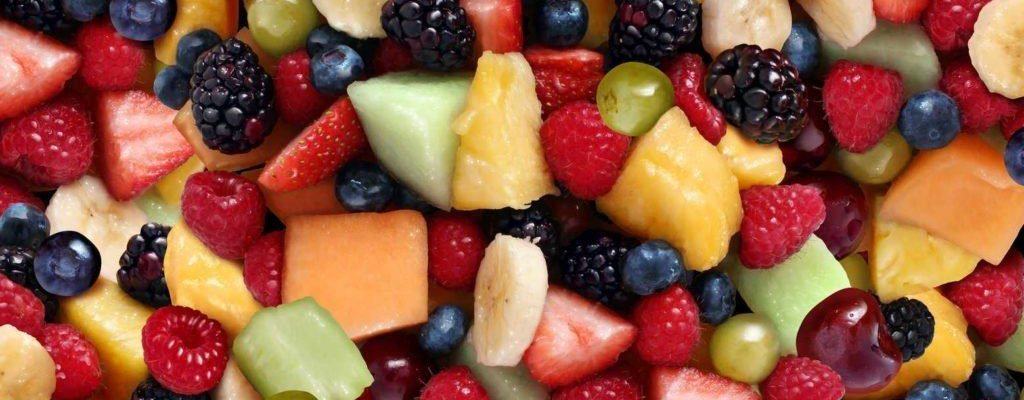
- Fruit
- Whole grain foods (bread, cereals, rice, pasta, noodles, polenta, couscous, oats, quinoa, barley)
- Lean meats, poultry, fish, eggs, tofu, nuts, seeds, and beans
- Dairy products like milk, yogurt, cheese, or alternatives
Make sure your child drinks plenty of water. After the age of 2, you can offer reduced-fat milk.
The amount of food your child needs from each food group will depend on their age, sex, and level of physical activity.
Essential Vitamins for Your Child
Children need vitamins for healthy growth. Most vitamins come from food.
| Vitamin | Found in | Function |
|---|---|---|
| Vitamin A | Cheese, eggs, oily fish, milk and yoghurt, orange-coloured fruits and vegetables such as sweet potatoes, carrots, pumpkins, apricots and rockmelon. | Strong immune system. Vision Healthy skin |
| Vitamin B1 (thiamine) | Meat and fish – such as pork, vegetables — such as peas, asparagus and squash, fresh and dried fruit, eggs, wholegrain breads, some fortified breakfast cereal. | Keeps your nervous system healthy |
| Vitamin B2 (riboflavin) | Milk, eggs, fortified breakfast cereals, rice. | Keeps your skin, eyes and nervous system healthy |
| Vitamin B3 (niacin) | Meat, fish, wheat flour, eggs, milk. | Keeps your skin and nervous system healthy |
| Vitamin B6 (pyridoxine) | Lean meat – such as chicken or turkey fish, whole cereals — such as oatmeal, brown rice and wholegrain bread, eggs, vegetables, soya beans, peanuts, milk and potatoes. | Helps store energy from food. Forms haemoglobin |
| Vitamin B9 (folate) | Fortified breakfast cereals, broccoli, brussels sprouts, liver, spinach, asparagus, peas, chickpeas. | Help form healthy red blood cells |
| Vitamin B12 (cobalamine) | Meats, poultry, seafood, milk, cheese and eggs. | Making red blood cells, production of DNA and functioning of your nervous system |
| Vitamin C | Citrus fruit – including oranges and grapefruit, red and green capsicums, potatoes, strawberries, blueberries and blackberries, green leafy vegetables — such as broccoli and brussels sprouts. | Healthy connective tissue. Heal wounds |
| Vitamin D | Made by the skin when exposed to sunlight. Also in oily fish, red meat, offal, egg yolks. | Calcium absorption and bone, teeth and muscle health |
| Vitamin E | Plant based oils, nuts and seeds, cereals. | Healthy skin and eyes. Strong immune system |
| Vitamin K | Green leafy vegetables – such as broccoli and spinach, plant-based oils, nuts and seeds, meat, dairy products and soya beans. | Healthy bones. Blood clotting |
Key Minerals for Your Child
In addition to vitamins, children need minerals for healthy growth. Minerals like calcium, iron, and zinc are essential for developing strong bones and teeth, and for supporting overall health.
| Mineral | Found in | Function |
|---|---|---|
| Calcium | Milk, cheese, yoghurt, fortified soya products, fish where you eat the bones (sardines). Small amounts are found in green leafy vegetables. | Builds strong bones and teeth. Regulates your heart beat Helps your blood clot |
| Iodine | Seafood, milk, and iodised salt, which is commonly used in bread. | Makes thyroid hormones |
| Iron | Meat (beef, lamb, chicken and liver) are the best sources. You can also get some iron from — beans, nuts, dried fruit, wholegrain cereals (brown rice), dark green leafy vegetables. However, iron found in plant foods is less easily absorbed. | Makes red blood cells |
| Potassium | Fruit and vegetables, fruit juice, nuts and seeds, fish and shellfish, meat. | Keeps your heart healthy. Manages fluid balance in your body |
| Zinc | Meat, shellfish, dairy foods, eggs, legumes, and wholegrain foods. | Makes new cells and enzymes. Wound healing |
Causes of Vitamin and Mineral Deficiency
A vitamin or mineral deficiency can occur if your child does not consume enough vitamins or minerals over a long period of time (usually months). Symptoms can vary depending on the deficiency.
Special Diets and Nutritional Needs
There are many reasons your child might have a special diet, including:
- Personal beliefs
- Health conditions
- Food preferences
Children on a special diet may need additional vitamins or minerals. It’s a good idea to speak with a dietitian if your child follows a special diet.
Vegetarian diet:
A vegetarian child can still get all the necessary vitamins and minerals if they consume dairy products and eggs as part of a healthy, balanced diet.
Vegan diet:
If your child follows a vegan diet, you will need to carefully plan their meals. Vitamin B12 is a key vitamin that cannot be obtained from a vegan diet, as it is only found in animal products. Some soy-based foods have added vitamin B12, but it is common for vegans to take a vitamin B12 supplement.
Other minerals that can be difficult to obtain on a vegan diet include:
- Iron
- Zinc
- Calcium
These can be found in foods like legumes, tofu, nuts, seeds, and calcium-enriched soy and other plant-based drinks. Consult with a dietitian to ensure your child’s diet provides all the nutrients they need for healthy growth.
Food allergies and intolerances:
Food allergies and intolerances may make it more difficult for your child to get all the necessary vitamins and minerals. It’s best to consult with a doctor or dietitian to ensure your child is getting a well-balanced diet.
When to Consult a Doctor
Consult with your doctor if you’re concerned about your child’s growth and development. A dietitian can also check that your child is receiving all the necessary vitamins and minerals.
The Role of Supplements in Your Child’s Diet
If you plan to give your child vitamin or mineral supplements, make sure to:
- Read the label carefully
- Follow the instructions for use
Possible harm from supplements:
Some supplements can have side effects or interact with other medications. It’s important to inform your doctor and pharmacist if your child is taking any supplements.
Supplements should not replace a balanced diet. Relying on supplements while consuming a poor diet, such as junk food, does not make the diet healthy. Also, supplements can be expensive, and too much of certain vitamins and minerals can be harmful if the body cannot process them.
Tools and Assistance
- Pediatrician or General Practitioner: Consult a pediatrician or general practitioner for general health concerns and growth monitoring of your child.
- Registered Dietitian: Speak with a registered dietitian for personalized advice on your child’s diet, especially if they have specific dietary needs or restrictions.
- Trusted Websites and Resources: Use trusted online resources like government health websites or nutrition-based organizations for reliable information on child nutrition and dietary needs.












Please log in to leave a comment.