Highlights
- Toys and play are important for your child’s development.
- Good toys teach new skills, keep children engaged, and are well made.
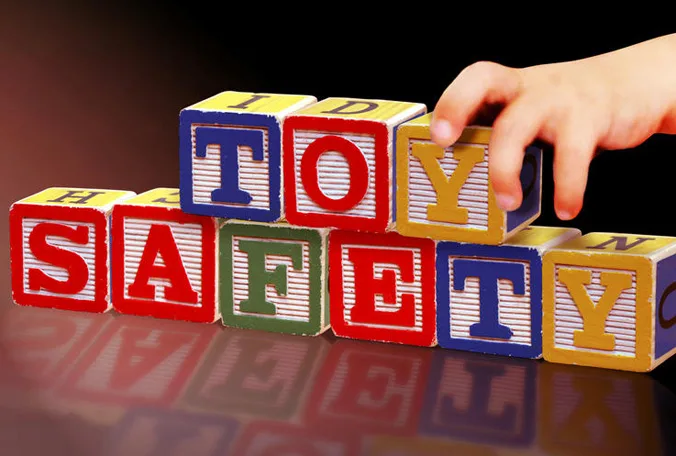
- Toys should meet safety standards.
- Ensure that your child’s toys are age-appropriate, with no long strings or small parts.
In This Article
- Why are toys important?
- What is a good toy?
- What is a safe toy?
- Size and shape
- Materials and fillings
- Batteries
- Strings
- Supervision
- Where can I buy toys?
- Tips for buying toys
- Tools And Assistance
Why are toys important?
Playing with toys is essential for a child’s physical and mental development. Choosing toys wisely is important—expensive toys are not necessarily the best or safest.
What is a good toy?
You can choose from a variety of toys, such as:
- Soft toys, dolls, and action figures
- Puzzles and building blocks
- Musical toys like maracas and xylophones
- Art and craft toys
- Open-ended toys that can be used for different types of play, like cardboard boxes
Good toys should be exciting and well made so they last a long time and don’t break easily. They should also help children:
- Develop social and communication skills
- Be creative and use their imagination
- Move and develop physical skills
- Understand the world around them
What is a safe toy?
Toys should have labels with a recommended age range. For example, a toy with choking hazards may be recommended for children over three years old. Toys can pose risks such as cuts, choking, poisoning, or strangulation if they are unsafe or not used correctly.
Some factors to consider when choosing toys include:
- Size and shape
- Materials and fillings
- Strings
- Batteries
Size and shape
The smaller the child, the bigger the toy should be. Toys with small parts are dangerous for babies and young children because they tend to explore by putting objects in their:
- Mouths
- Noses
- Ears
Children under three years old do not have a well-developed cough reflex, making them more vulnerable to choking. A child under three should not play with toys that:
- Are the size of a ping-pong ball or smaller
- Can easily break into small parts
- Are made of foam, as they can bite off chunks that may cause choking
Be cautious with toys that can break easily, as small or sharp broken pieces can be hazardous.
Materials and fillings
Check that any paint or fillings used in toys are non-toxic. Children could be poisoned if they lick or swallow them. Ensure that soft toys:
- Are fire-resistant
- Have secure fillings that cannot come out easily and pose a choking hazard
Regularly inspect soft toys to make sure parts such as:
- Eyes
- Noses
- Buttons
are firmly attached.
Batteries
Batteries should not be handled by children, as they are toxic if swallowed and pose a choking risk. If a toy uses batteries, particularly small ‘button’ or ‘coin’ batteries, check that they:
- Are securely enclosed
- Cannot be easily removed
Strings
Strings or tails on toys that can form a loop may pose a risk of constriction or strangulation around a child’s:
- Finger
- Limb
- Neck
Strings should not be longer than 22 cm.
Supervision
Small children need close supervision when playing with toys to prevent accidents.
Where can I buy toys?
You can get toys by:
- Buying them new from toy stores and department stores
- Borrowing or swapping them with friends, family, playgroups, or toy libraries
- Buying them second-hand from fairs, garage sales, and online
- Making your own
If getting a second-hand toy, ensure it is safe. Older toys are more likely to break and may not include safety warnings. Avoid second-hand toys with flaking paint.
Tips for buying toys
Ask yourself these questions before buying a toy:
- Would it be fun to play with?
- Would it help with development?
- Is it suited to the child’s age?
- Is it well made?
- Does it have small parts?
- Is it made with toxic materials?
Tools And Assistance
For more information on choosing safe toys, visit consumer protection and product safety organizations












Please log in to leave a comment.