Highlights
- There is a small risk of miscarriage associated with the procedure.
- Chorionic villus sampling (CVS) is a prenatal diagnostic test.
- It is not routinely offered to all pregnant women.
- CVS can help detect genetic or chromosomal conditions in a baby.
In This Article
- Chorionic Villus Sampling (CVS) Overview
- Reasons for Considering CVS
- Timing for CVS
- CVS Procedure Specialists
- Preparation for the CVS Procedure
- How CVS is Performed
- Risks Associated with CVS
- Post-Procedure Recovery
- CVS Result Timeline
- Understanding CVS Results
- Cost of CVS
- Alternatives to CVS
- Tools and Assistance
Chorionic Villus Sampling (CVS)
Chorionic villus sampling (CVS) is a prenatal diagnostic test performed during pregnancy. The test is conducted after the 11th week of pregnancy and involves taking a sample of cells from the placenta to examine for genetic or chromosomal conditions such as Down syndrome.
CVS is not part of routine prenatal care and is only recommended in specific situations. The decision to undergo this procedure is personal, and expectant parents should be well-informed about its risks and benefits before proceeding.
Reasons for CVS
Your doctor may suggest CVS if:
- Your prenatal screening test indicates a high risk of a genetic or chromosomal condition.
- You or your partner are known carriers of a genetic condition.
- You have previously had a child with a genetic or chromosomal disorder.
- You are 35 years of age or older when your baby is due.
- You seek an early and definitive diagnosis of a genetic or chromosomal disorder.
Since every pregnancy carries a small chance of genetic or chromosomal conditions, some parents opt for diagnostic testing early to better understand their options. Genetic counseling may also be beneficial in making an informed decision.
Timing of CVS
CVS is typically performed between the 11th and 14th weeks of pregnancy. Conducting the test within this timeframe allows for early detection of potential conditions, giving parents more time to consider their next steps.
CVS Procedure
A specialist doctor, usually a trained obstetrician or maternal-fetal medicine specialist, performs CVS. Your doctor or midwife will refer you to a qualified specialist for the procedure.
Preparation for CVS
Before undergoing CVS, consider discussing your concerns with your doctor, midwife, or a genetic counselor. Reflecting on how you might feel about the results and discussing them with a trusted person can be helpful.
Your doctor may order preliminary blood tests to confirm your pregnancy stage, determine your blood type, and check for infections such as hepatitis B or HIV.
On the day of the procedure:
- Ask your healthcare provider if any special preparations are necessary.
- You may be advised to arrive with a full bladder for better ultrasound visibility.
- You can eat and drink normally unless instructed otherwise.
How CVS is Performed
CVS involves taking a small sample of placental cells using one of two methods:
- Transabdominal procedure: A thin needle is inserted through the abdomen into the placenta to collect a sample. This is the most common method.
- Transcervical procedure: A thin tube or needle is inserted through the vagina and cervix to reach the placenta.
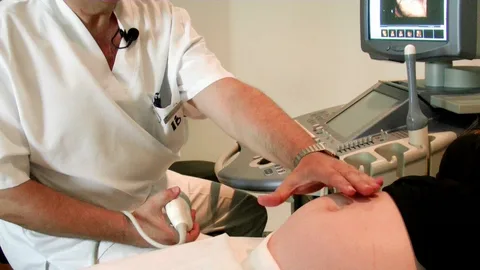
Ultrasound guidance ensures the needle avoids the baby and the procedure is performed safely. A local anesthetic is applied to numb the skin before the needle is inserted, and the test itself only takes a few minutes.
Risk of Harm to Baby
There is a small risk of miscarriage with every pregnancy, and CVS may slightly increase this risk. The estimated risk of miscarriage following CVS is approximately 1 in 100 pregnancies.
Only a small sample of the placenta is removed, and no other known long-term risks to the baby have been associated with the procedure.
After the CVS Procedure
Most women experience only minor discomfort, such as cramping or mild period-like pain, during and after CVS. The procedure takes only a few minutes, but you may be asked to rest for about 30 minutes before leaving the clinic.
If you have a negative blood group, an Anti-D injection may be administered to prevent potential complications related to blood incompatibility.
It is safe to use regular pain relief, such as paracetamol, if needed.
You should seek medical attention if you experience:
- Vaginal bleeding
- Severe abdominal pain
- A high fever
- Unusual vaginal discharge
Results of CVS
The timeframe for receiving results varies:
- Preliminary results may be available within 1 to 2 working days.
- A full report can take up to 3 weeks.
Your doctor will inform you about when to expect your results.
Interpreting CVS Results
CVS provides information about potential genetic or chromosomal conditions. If the test confirms a condition, your doctor may refer you to a genetic counselor to discuss the implications and available options.
Possible next steps include:
- Continuing the pregnancy with additional monitoring and planning for medical care.
- Considering the option of terminating the pregnancy based on the findings.
- Preparing for potential healthcare needs and support for your baby.
Early diagnosis of conditions such as Down syndrome can allow parents and doctors to plan for necessary medical care and support systems in advance.
Cost of CVS
The cost of CVS depends on healthcare coverage and medical facilities. Some costs may be covered by insurance, but there might be additional fees for consultations or specialist services.
It is best to discuss costs with your healthcare provider beforehand to understand any out-of-pocket expenses.
Alternatives to CVS
If you are hesitant about CVS or your doctor advises against it, an amniocentesis may be an alternative. Amniocentesis is another prenatal diagnostic test conducted at 15 weeks or later and involves taking a sample of amniotic fluid.
Your healthcare provider will help you decide which test is most appropriate for your situation.
Questions to Ask Your Doctor
- Why are you recommending this test?
- What does the procedure involve, and how should I prepare for it?
- When will I receive the results?
- Who will explain the results to me?
- What should I do after the procedure to take care of myself?
- What are the risks, and how do they compare to other tests?
- Can my partner or a support person accompany me?
Tools and Assistance
- Genetic counseling: A genetic counselor can help you understand the risks and benefits of CVS, amniocentesis, and other tests, as well as guide you through decision-making processes and provide emotional support.
- Prenatal testing centers: Specialized clinics provide prenatal diagnostic services, including CVS and amniocentesis. They can provide comprehensive information and support during the testing process.
- Support groups: Connecting with other expectant parents who are undergoing similar tests can provide emotional support and shared experiences. Many online and in-person support groups exist for parents navigating prenatal testing and genetic conditions.
By understanding all available options and seeking the right support, you can make an informed choice about prenatal testing and how to proceed with your pregnancy care.












Please log in to leave a comment.