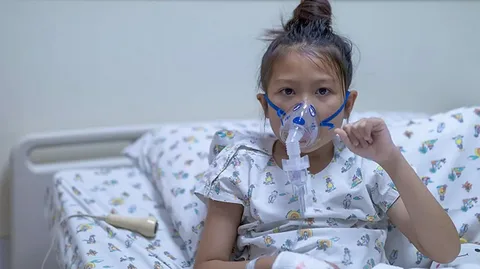
Highlights
- Cystic fibrosis (CF) is a disease that primarily affects the lungs and digestive system.
- CF is caused by a mutation (change) in a gene that is inherited from both parents.
- There is currently no cure for CF.
In This Article
- What is Cystic Fibrosis?
- What Are the Symptoms of Cystic Fibrosis?
- What Causes Cystic Fibrosis?
- How is Cystic Fibrosis Diagnosed?
- How is Cystic Fibrosis Treated?
- Complications of Cystic Fibrosis
- Tools And Assistance
What is Cystic Fibrosis?
Cystic fibrosis (CF) is a genetic disease that primarily affects the lungs and digestive system, resulting from a change in a specific gene. CF causes thick and sticky mucus to accumulate in the lungs, airways, and digestive system, leading to problems with digestion and repeated lung infections, which can permanently damage the lungs.
What Are the Symptoms of Cystic Fibrosis?
Symptoms of CF can vary from person to person. Some of the common signs include:
- Chronic cough
- Wheezing
- Shortness of breath
- Frequent lung and sinus infections
Digestive issues are also common due to improper functioning of the pancreas, leading to symptoms such as:
- Poor growth
- Difficulty gaining weight
- Frequent greasy or oily stools
- Bowel blockages
Other possible problems include:
- Fertility issues
- CF-related diabetes
- Incontinence
- Reflux
- Low bone mineral density
What Causes Cystic Fibrosis?
CF is caused by a mutation in the cystic fibrosis transmembrane conductance regulator (CFTR) gene, which controls the balance of salt and water in cells. This gene affects the production of mucus, sweat, and digestive fluids.
Both parents must carry the CF gene for their child to inherit the condition. If both parents carry the gene, the chances of passing on CF are:
- 1 in 4 chance the child will have CF
- 1 in 4 chance the child will not have CF
- 2 in 4 chance the child will be a carrier of the CF gene
How is Cystic Fibrosis Diagnosed?
CF is often diagnosed in newborns through a heel prick test, which checks for several conditions, including CF. If the test is positive, a sweat test is performed at around 6 weeks to confirm the diagnosis.
How is Cystic Fibrosis Treated?
CF is managed by a multidisciplinary team that may include:
- Doctors
- Nurses
- Dietitians
- Physiotherapists
- Pharmacists
- Social workers
- Psychologists
Treatment typically includes:
- Daily physiotherapy to clear the lungs
- Enzyme tablets to aid digestion
- Antibiotics for lung infections
- Puffers to open the airways
- Salt and vitamin supplements
- A high-calorie, high-salt, and high-fat diet
- Regular exercise to build core strength
Medications called ‘modulator therapies’ are now available to target the underlying cause of CF. Some individuals with CF may require organ transplants, such as lung, liver, or pancreas transplants, to prolong their lives.
Complications of Cystic Fibrosis
As life expectancy increases, people with CF are more likely to develop chronic health conditions associated with aging, such as:
- Colorectal cancer
- Cardiovascular (heart) disease
It is not yet clear how modulator therapy will impact the development of these chronic conditions.
Tools And Assistance
People with CF are generally advised not to socialize in person with others who have CF to avoid the risk of cross-infection. Support and services for individuals with CF, their carers, and families are available through various organizations. You can also contact a 24-hour helpline for immediate support and advice.












Please log in to leave a comment.