Highlights
- A dating scan is an ultrasound test that helps determine how far along you are in your pregnancy.
- It provides an estimated due date (EDD) based on the measurements of your baby.
- A dating scan can also confirm if you are carrying one or more babies and check for early pregnancy complications.
- You and your doctor or midwife can decide whether to have a dating scan.
In This Article
- What Is a Dating Scan
- Reasons for a Dating Scan
- Timing of a Dating Scan
- Necessity of a Dating Scan
- Who Performs a Dating Scan
- Procedure for a Dating Scan
- Preparation for a Dating Scan
- Safety of a Dating Scan
- Interpretation of Dating Scan Results
- Cost of a Dating Scan
- Bringing a Partner to a Dating Scan
- Questions for Your Doctor
- Tools and Assistance
What Is a Dating Scan
A dating scan is an ultrasound performed during the first trimester of pregnancy to estimate how many weeks you have been pregnant. It is typically done between 8 and 14 weeks of pregnancy, with the most common timing being before 12 weeks.
This scan helps determine the baby’s gestational age based on their measurements. It can also:
- Confirm the presence of a single or multiple pregnancies.
- Check that the pregnancy is in the uterus and not ectopic (outside the uterus).
- Help establish an accurate estimated due date (EDD), which is essential for planning prenatal tests and monitoring the pregnancy.
If you are unsure about the date of your last menstrual period, a dating scan can be especially useful in determining how far along your pregnancy is.
Reasons for a Dating Scan
A dating scan can help clarify your due date, which is particularly useful if:
- You have irregular menstrual cycles.
- You are unsure about the date of your last period.
- You conceived while using contraception that affected your cycle.
- Your baby is born prematurely, as the EDD helps doctors provide appropriate care.
- You have not gone into labor by your estimated due date, and induction may be considered.
Timing of a Dating Scan
A dating scan is typically performed between 8 and 14 weeks of pregnancy, with most being done before 12 weeks.
If your doctor or midwife recommends a nuchal translucency scan to screen for chromosomal conditions, they may schedule it between 11 and 13 weeks so that both tests can be performed during the same appointment.
Necessity of a Dating Scan
A dating scan is not mandatory. You and your healthcare provider can discuss which ultrasounds and tests are appropriate for your pregnancy. If your menstrual cycle is regular and you are confident about the date of your last period, you may not need a dating scan. However, if there is uncertainty, it may be helpful in providing a more accurate due date.
Who Performs a Dating Scan
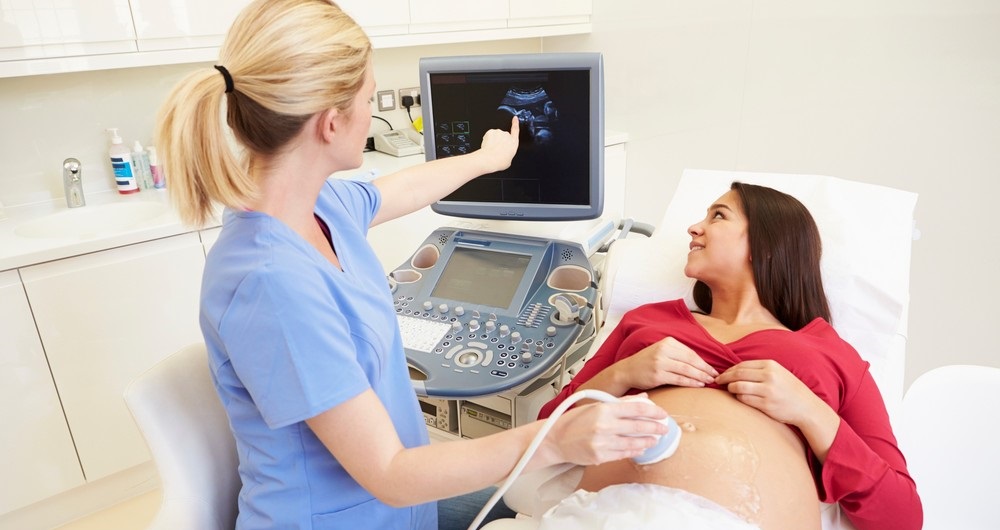
A dating scan is usually performed by a specially trained ultrasound technician, known as a sonographer. In some cases, a doctor or midwife may also be trained to conduct the scan.
The scan is typically done in a radiology or ultrasound clinic, a hospital, or a specialized maternity care center.
Procedure for a Dating Scan
In early pregnancy, ultrasound scans can be done in two ways:
- Abdominal ultrasound: The sonographer applies a gel to your abdomen and moves a handheld probe (transducer) over your skin. The gel helps transmit sound waves, which create images of your baby.
- Transvaginal ultrasound: If an abdominal scan does not provide a clear image, the sonographer may use a small, lubricated probe inserted into the vagina. This approach often gives clearer pictures because the probe is closer to the uterus. The procedure may feel slightly uncomfortable but should not be painful.
The sonographer will take measurements of the baby’s length from head to bottom, known as the crown-rump length (CRL), to estimate gestational age and the expected due date.
Preparation for a Dating Scan
When booking your appointment, ask if you need to prepare in any way. Some clinics may request that you:
- Drink water before the scan to fill your bladder, which can improve the clarity of the ultrasound image.
- Wear loose clothing that allows easy access to your abdomen.
Safety of a Dating Scan
Ultrasounds, including dating scans, are safe for both you and your baby. They do not involve radiation or needles and do not increase the risk of miscarriage.
Interpretation of Dating Scan Results
The main goal of a dating scan is to estimate the baby’s gestational age. The sonographer will measure the baby’s CRL and use this measurement to calculate an estimated due date.
Other aspects that may be checked during the scan include:
- The location of the pregnancy to confirm that it is in the uterus.
- The presence of a heartbeat.
- Whether you are expecting one baby or multiple babies.
- The early development of the baby’s body organs.
An estimated due date provides a helpful guideline, but it is important to remember that most babies are not born exactly on their due date. Only about 5% of babies are born on the expected day, with most arriving within two weeks before or after.
Cost of a Dating Scan
The cost of a dating scan varies depending on the healthcare provider and location. Some healthcare systems cover part or all of the cost, while others may require out-of-pocket payments. It’s a good idea to ask about fees when booking your appointment.
Bringing a Partner to a Dating Scan
Yes, you are usually welcome to bring your partner, a family member, or a friend to your dating scan. Having someone with you can provide emotional support and help you remember the information shared during the appointment.
Questions for Your Doctor
If you are considering a dating scan, here are some questions you might want to ask your doctor or midwife:
- Are there any additional tests I should consider at this stage?
- Why are you recommending this test for me?
- What should I do to prepare for the scan?
- How soon will I receive the results?
- Who will contact me with the results?
Tools and Assistance
- Ultrasound Equipment: Modern ultrasound machines provide high-resolution images that allow healthcare providers to assess fetal development with great detail. Ensure that the clinic or hospital has the proper equipment for early-stage scans.
- Healthcare Provider Guidance: Your doctor or midwife can assist you in understanding the benefits and limitations of dating scans and guide you through the decision-making process.
- Pregnancy Tracking Apps: Many mobile apps help track your pregnancy, offering features such as an estimated due date based on ultrasound measurements, tracking baby growth, and scheduling prenatal care appointments.
- Support Networks: Join support groups for expectant parents who can provide advice and share experiences about dating scans, pregnancy-related concerns, and general support.
- Genetic Counseling: If there are any concerns regarding potential genetic conditions or the need for additional tests, a genetic counselor can offer advice and answer questions related to screening and diagnostic tests.










Please log in to leave a comment.