Основные моменты
- Беременность делится на триместры, месяцы и недели , каждый из которых сопровождается уникальными изменениями как в организме матери, так и в развитии ребенка.
- Календарь содержит понятные объяснения, медицинские сведения и примеры из реальной жизни родителей.
- В еженедельном описании представлены данные о развитии плода, ощущениях матери и рекомендации по здоровью .
- Включает практические советы, рекомендации экспертов и эмоциональную поддержку на каждом этапе беременности.
- Описывает весь путь от подготовки к зачатию до последних недель перед родами .
В этой статье
- Что такое календарь беременности?
- Реальные истории и рассказы из жизни
- Эмоциональное и психологическое благополучие во время беременности
- Недельное развитие плода
- Ключевые этапы по триместрам
- Рекомендации для будущих родителей
- Инструменты и помощь
Что такое календарь беременности?
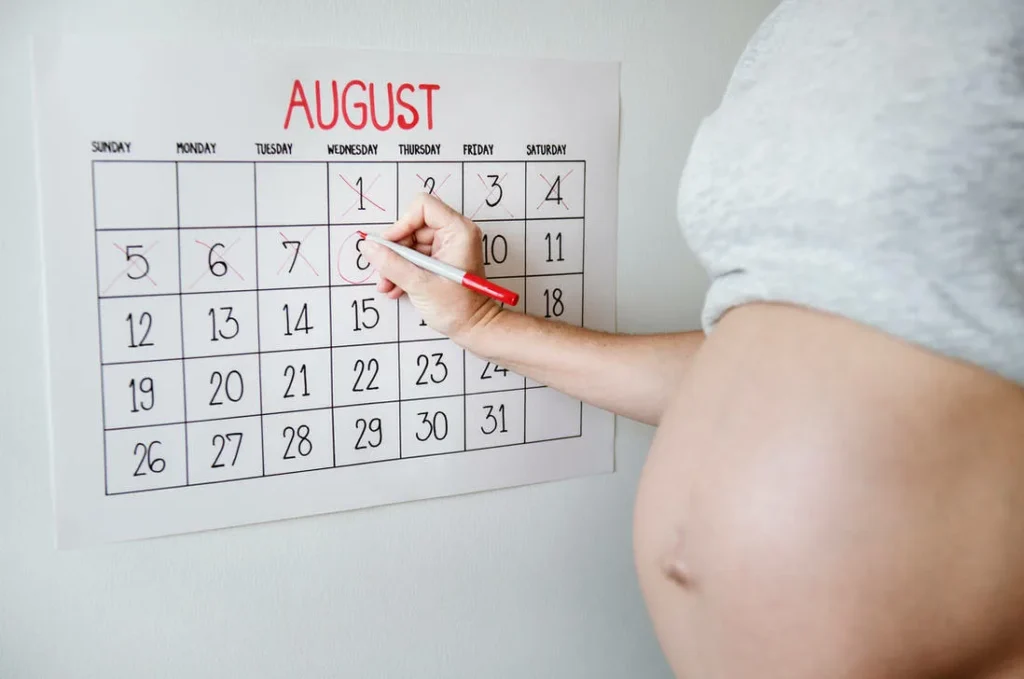
Беременность часто описывают как один из самых особенных и преобразующих периодов в жизни. Чтобы помочь сориентироваться в нем, календарь беременности делит это время на недели, месяцы и триместры. Каждый этап приносит свои уникальные изменения как в организме матери, так и в развитии ребенка. Календарь предлагает подробное понедельное руководство, чтобы облегчить понимание этих изменений.
Реальные истории и рассказы из жизни
Помимо медицинских пояснений, многие календари включают истории родителей, которые уже прошли через беременность. Эти истории, часто сопровождаемые изображениями УЗИ и фотографиями, дают представление о том, что чувствует каждая неделя. Их советы, рекомендации и опыт помогают успокоить будущих родителей и сделать этот путь менее пугающим.
Эмоциональное и психологическое благополучие
Эмоциональное равновесие во время беременности так же важно, как и физическое здоровье. Будущим родителям рекомендуется избегать стресса, конфликтов и ненужной тревоги. Поддержка со стороны семьи и обмен опытом с другими родителями могут помочь уменьшить беспокойство и страхи. Календарь подчеркивает это, предлагая как медицинские рекомендации, так и добрые, ободряющие слова на каждом этапе.
Недельное развитие плода
- 1-2 неделя: Организм начинает подготовку к зачатию; происходит овуляция.
- 3-я неделя: Происходит оплодотворение, в результате которого сперматозоид и яйцеклетка соединяются, создавая новую жизнь.
- 4-я неделя: Эмбрион напоминает скопление быстро делящихся клеток.
- 5-я неделя: Начинают формироваться основы сердца, кровеносных сосудов и дыхательной системы.
- 6–7 неделя: появляются зачатки конечностей, начинают развиваться головной мозг и пищеварительный тракт.
- 8–9 неделя: начинают формироваться черты лица, такие как уши, нос и губы; мозг быстро развивается.
- 10–11 неделя: формируются зачатки зубов, ребенок окружен амниотической жидкостью, и появляются наружные половые органы.
- 12–13 неделя: Все основные системы органов присутствуют; плацента полностью сформирована.
- 14–15 неделя: Тело младенца покрыто тонкими волосками (лануго) и первородной смазкой для защиты. Крошечное сердце перекачивает большое количество крови.
- 16–17 неделя: лицевые мышцы позволяют хмуриться или моргать; бурая жировая ткань развивается для регулирования температуры тела.
- 18–20 неделя: Ребенок начинает слышать звуки, реагировать на голос матери и активно двигаться.
- 21–22 неделя: Развиваются клетки крови, необходимые для иммунитета; вкусовые рецепторы начинают распознавать вкус околоплодной жидкости.
- 23–24 неделя: Начинается накопление подкожного жира; ребенок занимает больше места в матке.
- 25–26 неделя: Кости и суставы укрепляются; глаза теперь можно открывать.
- 27–29 неделя: начинается третий триместр; мозг быстро развивается, улучшается терморегуляция.
- 30–31 неделя: Ребенок реагирует на свет и звук; движения становятся сильнее.
- 32–34 неделя: Слух хорошо развит; ребенок узнает сердцебиение и голос матери.
- 35–36 неделя: еженедельная прибавка в весе увеличивается примерно на 200 г; щеки становятся полнее.
- 37–38 неделя: Ребенок считается доношенным и готов к родам; лануго исчезает.
- 39–40 неделя: Движения замедляются; организм готовится к родам.
- 41–42 неделя: у ребенка длинные ногти, волосы и открытые глаза; рождение ожидается с минуты на минуту.
Ключевые этапы по триместрам
- Первый триместр (1–13 недели): формирование жизненно важных органов, развитие плаценты, ранние физиологические изменения у матери.
- Второй триместр (14–27 недели): Рост ускоряется; у ребенка развиваются органы чувств, и мать ощущает первые движения.
- Третий триместр (28–42 недели): Быстрое увеличение веса, развитие мозга и подготовка к родам.
Рекомендации для будущих родителей
- Регулярно проходите медицинские осмотры .
- Соблюдайте сбалансированную диету и пейте достаточно жидкости.
- Избегайте стресса и сосредоточьтесь на эмоциональном благополучии .
- Заранее подготовьте план родов и сумку в роддом .
- Почитайте о родах и уходе за новорожденным, чтобы чувствовать себя увереннее.
Инструменты и помощь
- Мнения врачей -акушеров и гинекологов.
- Реальный опыт других родителей, призванный вселить уверенность и дать новую перспективу.
- Ультразвуковые изображения и фотографии в качестве визуальных ориентиров для развития.
- Практические контрольные списки и еженедельные рекомендации по формированию более здоровых привычек.
- Советы по релаксации и снижению стресса для поддержания эмоционального равновесия.
- Руководства по питанию, уходу за собой и корректировке образа жизни во время беременности.












Please log in to leave a comment.