Highlights
- Development milestones in toddlers include social, emotional, and physical skills that children develop over time.
- These milestones are important indicators of how children are growing and learning, although each child reaches them at their own pace.
- Ensuring your toddler feels safe and loved, gets enough sleep, and eats a balanced diet supports their growth.
In This Article
- What Are Development Milestones in Toddlers?
- Physical and Skills Milestones
- Emotional Milestones
- Thinking and Communication Milestones
- Helping Your Toddler’s Development
- If You’re Concerned
- Vaccinations
- Tools And Assistance
What Are Development Milestones in Toddlers?
By the time children reach 12 months of age, they are considered toddlers. While they can vary in size, shape, and personality, most toddlers reach developmental milestones within a common timeframe. Just like babies, toddlers develop best when they feel safe and loved. They also need plenty of sleep and a variety of healthy foods. Ensuring they get 11 to 14 hours of sleep over a 24-hour period, with a long sleep overnight and 1 to 2 shorter naps during the day, supports their growth and development.
If you have concerns about whether your child is reaching these milestones within the expected period, consult a doctor or child health professional.
Physical and Skills Milestones
Your toddler may be able to stand up without help between 12 and 15 months. Once they can stand, they start exploring more. Many toddlers begin walking on their own between 12 and 15 months, though some may start between 15 and 18 months. As they gain confidence, they may begin climbing stairs, furniture, and even running.
Other physical milestones include:
12-15 months
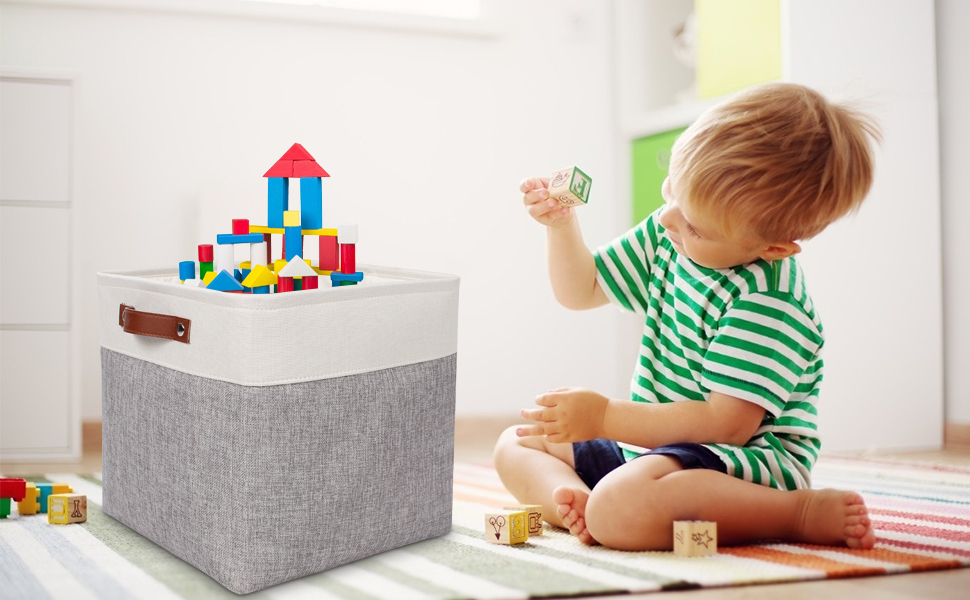
- Exploring objects by shaking, banging, and stacking them into piles or towers
- Pointing to familiar people and objects when asked
- Starting to drink from a cup and improving self-feeding skills
15-18 months
- Gaining better hand and arm control, possibly attempting to help with dressing
- Practicing skills such as using a pencil, spoon, or cup
- Picking up very small objects, requiring close supervision to prevent swallowing or placing items in ears or nose
Emotional Milestones
At 12 months, toddlers form strong emotional attachments and begin to show affection. Around 14 months, they may start experiencing separation anxiety when apart from caregivers. Some toddlers also begin having temper tantrums.
12-15 months
- Showing awareness of others’ emotions, such as appearing sad when someone else is upset
15-18 months
- Becoming more self-aware and showing embarrassment when being watched
Thinking and Communication Milestones
Toddlers progress from babbling to speaking real words. Around 12 months, they may say 1 or 2 words, increasing to 6 or more words by 18 months. By 18 months, they also begin understanding the purpose of objects like phones and brushes.
12-15 months
- Hugging caregivers
- Pointing to body parts or favorite objects when named
- Following simple instructions, such as handing an object when asked
15-18 months
- Recognizing their own name
- Following simple instructions without needing visual cues
- Recognizing themselves in a mirror
Helping Your Toddler’s Development
To support your toddler’s growth, you can:
- Show affection through hugs and kisses
- Engage in play with blocks, containers, and simple games like peek-a-boo
- Encourage pretend play, such as using a toy cup or playing with dolls
- Talk to them and name objects, colors, and people around them
- Read books, sing nursery rhymes, and play music
- Support self-feeding skills with a spoon and cup (expect some mess)
- Encourage walking and exploration while staying close for reassurance
- Introduce play with other children, though sharing is not yet understood
- Offer a variety of healthy foods with different textures and colors
If You’re Concerned
Consult a doctor or child health professional if, by 18 months, your toddler:
- Avoids eye contact or cuddles
- Does not use any single words
- Does not follow simple instructions
- Does not point, wave, or use gestures
- Does not engage in pretend play
- Does not walk
- Shows signs of vision or hearing difficulties
- Loses previously acquired skills
- Does not react when you leave or return
Vaccinations
At 12 months, children typically receive vaccinations for measles, mumps, rubella (MMR), pneumococcal disease, and meningococcal ACWY.
At 18 months, they may receive:
- Measles, mumps, rubella, and chickenpox (MMRV)
- Diphtheria, tetanus, and whooping cough (pertussis)
- Haemophilus influenzae type b (Hib) vaccine
Consult a healthcare professional for specific vaccination recommendations.
Tools And Assistance
Here are some resources to assist with your toddler’s development:
- Pediatrician or Child Health Professional: If you have concerns about your child’s development, a healthcare professional can provide personalized guidance and support.
- Parenting Helplines: Available in many countries, these services offer advice and assistance for parents, including guidance on developmental milestones and addressing concerns.
- Developmental Milestone Checklists: These can help you track your toddler’s progress and identify any areas where they might need additional support.
- Books and Online Resources: Reading books about toddler development can offer helpful tips and insights for managing challenges and encouraging growth.
- Parenting Support Groups: Joining online or in-person groups can provide support and shared experiences from other parents.
- Child Development Apps: Some apps are designed to help track your toddler’s milestones and offer activities to foster development.










Please log in to leave a comment.