Highlights
- Dress your baby so that they’re not too warm and not too cold, especially for sleep. Make sure they don’t overheat.
- Choose soft, cotton clothes that fit closely and have a low fire danger label. Avoid loose trimmings.
- For sleep, use a safe sleeping bag or light blankets. Keep your baby’s head uncovered.
- In hot weather, put a sunhat on your baby. Cover as much skin as you can with loose, light clothing or wraps.
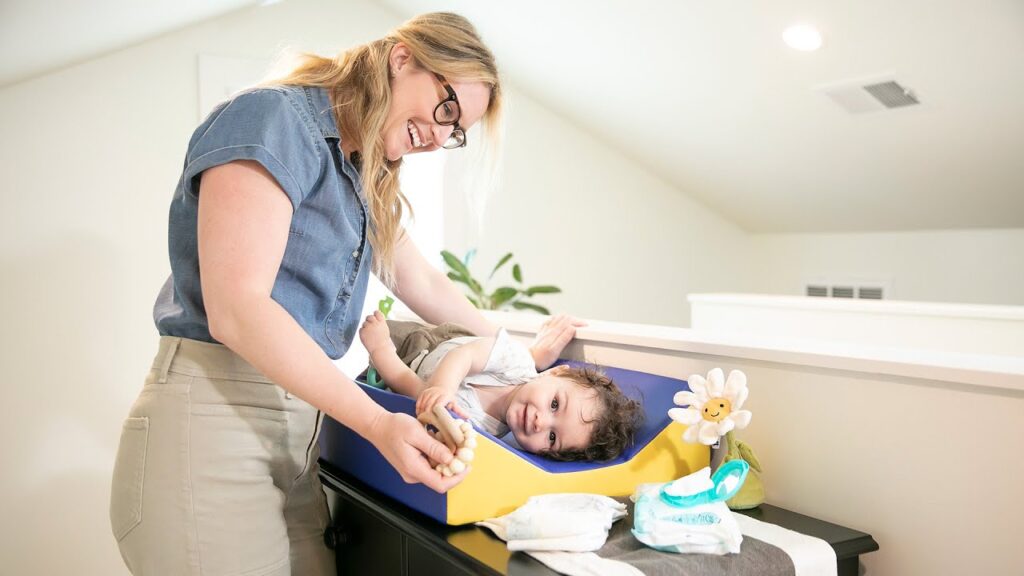
- Use a safe changing table. Never leave your baby on it without an adult next to them.
In This Article
- How to Dress Your Baby Comfortably
- Choosing the Right Clothes for Your Newborn
- Safe Dressing for Your Baby at Night
- Dressing Your Baby in Hot Weather
- Protecting Your Baby in Cold Weather
- Safe Practices for Changing Your Baby
How to Dress Your Baby Comfortably
Put the singlet over your baby’s head first, then over their face. Do the reverse when removing it.
Don’t pull your baby’s arms. Gently guide their arms through the sleeves.
For long sleeves, stretch the sleeve to create a wider hole. Reach through to gently hold your baby’s hand and slide the sleeve on.
Dress one arm first. Then roll and lift the baby to slide the outfit underneath. Do the other arm.
As babies grow, they may fidget more. Distract them with a toy, talking, or singing a nursery rhyme.
Choosing the Right Clothes for Your Newborn
Babies grow fast. Buy a few items in each infant size range.
Choose soft, cotton clothes that fit closely and have a low fire danger label.
Avoid long, flowing clothes. Remove loose ribbons or decorations to prevent choking.
Ensure mittens, socks, and bootees have no loops or loose threads.
Safe Dressing for Your Baby at Night
Dress your baby comfortably for the room temperature. Their tummy should feel warm, but hands and feet can be cooler.
Don’t cover your baby’s head to prevent overheating.
If swaddling, use a muslin or thin cotton wrap. Avoid overdressing underneath.
A safe baby sleeping bag with a fitted neck and armholes may reduce the risk of SUDI.
If using blankets, make sure they are lightweight and layered for temperature control.
Dressing Your Baby in Hot Weather
Dress your baby in loose, light clothing such as a singlet and nappy. If going outside, use a sun hat and stay in the shade.
Cover as much of your baby’s skin as possible with loose, light clothing or wraps. Choose fabrics with a high UV protection factor (UPF).
Sunscreen is not recommended for babies under 6 months.
Protecting Your Baby in Cold Weather
In cold weather, dress your baby in layers. You can remove some clothing when in warmer places.
Babies lose heat through their head. Put a hat on your baby if it’s cold. Remove it when indoors or in a warm car.
Safe Practices for Changing Your Baby
Choose a change table with raised edges about 10 cm higher than the surface your baby lies on. Use a child safety harness if available.
Never leave your baby alone on the change table.
Ensure there are no gaps within your baby’s reach that could trap their fingers or body parts.
If the table is foldable, make sure the locking devices are secure.
Prepare everything you need before changing your baby. Take your baby with you if you need to get something.
Keep one hand on your baby at all times to prevent them from rolling off.
Keep harmful items out of your baby’s reach, such as nappy creams or choking hazards.
Don’t attempt to fix broken change table mechanisms. Return the table to the manufacturer or discard it.
Tools And Assistance
Here are some practical tools and tips to help make dressing and caring for your baby easier:
- Newborn clothing checklist: Prepare a simple checklist of essential clothing items like bodysuits, sleepers, hats, and safe sleeping bags. Choose based on the season and your baby’s size.
- Room temperature guide: Using a room thermometer can help you keep the sleeping area comfortable — ideally around 18–20°C (64–68°F). This makes it easier to decide how warmly to dress your baby.
- Reminders and planners: Keep track of clothing changes, feedings, and naps using a notebook or app. This is especially helpful in the early days when everything feels overwhelming.
- Safe changing station setup: Set up a designated changing space with a soft mat, diapers, wipes, and clean clothes within arm’s reach. Use soft lighting for nighttime changes.
- Practice makes perfect: If you’re nervous about dressing a tiny baby, try practicing on a doll or stuffed animal to build your confidence before your baby arrives.
- Support from other parents: Talking with other parents can offer great tips — like how to change clothes quickly during a nap or how to handle fussy diaper changes.












Please log in to leave a comment.