Highlights
- Most enterovirus infections have no symptoms or mild symptoms.
- Some types of enterovirus infections cause serious illnesses.
- Enterovirus is often spread through infected saliva, mucus, phlegm, or feces.
- Good hygiene helps decrease the spread of enterovirus infections.
- If your child has severe symptoms like fever, vomiting, neck stiffness, difficulty breathing, or seizures, seek immediate medical attention.
In This Article
- What is an enterovirus?
- What are the signs and symptoms of an enterovirus in children?
- How might my child catch an enterovirus?
- How can I prevent my child from catching an enterovirus?
- How is enterovirus in children treated?
What is an Enterovirus?
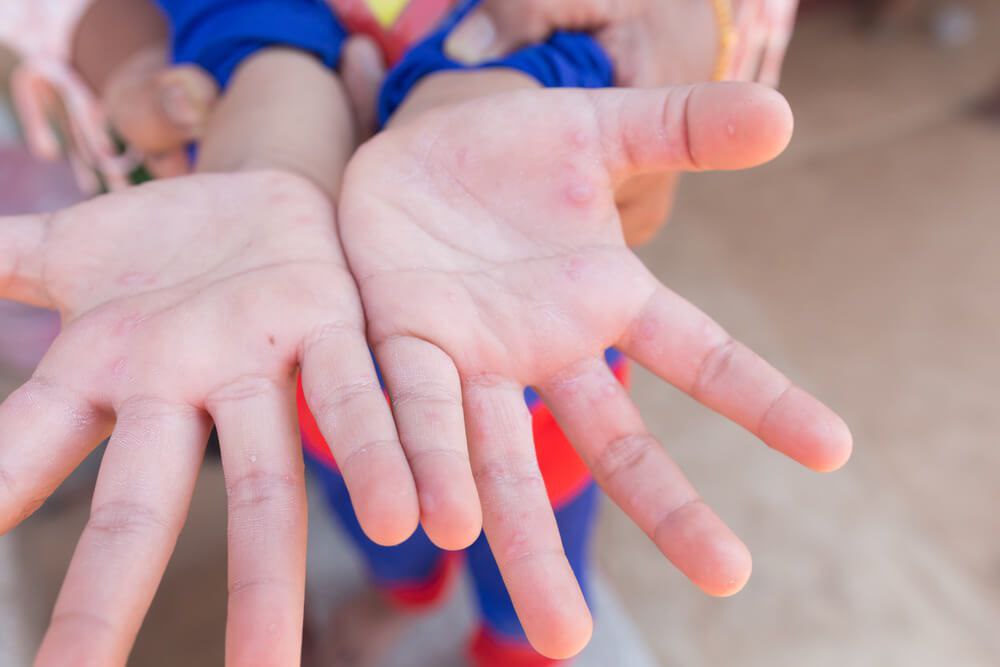
Enterovirus refers to a group of viruses that are common and include many types. Most infections cause no symptoms or only mild fever, often going unnoticed. Some enteroviruses cause illnesses like hand, foot, and mouth disease, which may last over a week and cause small blisters on the hands, feet, or mouth.
Some enteroviruses can cause serious illnesses:
- Polio (though now rare)
- Enterovirus 71 (EV-71) can lead to meningitis or encephalitis
- Human parechovirus (HPeV) can cause high fever and a skin rash
- Enterovirus D68 (EV-D68) can cause coughing, wheezing, or even paralysis
What are the Signs and Symptoms of an Enterovirus in Children?
Mild Symptoms:
- Fever
- Rash
- Loss of appetite and fatigue
- Sore throat
- Ulcers or blisters in the mouth or on hands and feet
Serious Symptoms:
- Vomiting
- Cough
- Stiff neck
- Rapid heart rate
- Breathing difficulties
If your child experiences difficulty breathing, call emergency services immediately.
Neurological Symptoms:
- Weakness or paralysis
- Seizures
- Unsteadiness
- Excessive irritability in babies and young children
If these signs appear, take your child to a doctor or hospital immediately.
How Might My Child Catch an Enterovirus?
Your child can catch an enterovirus from infected saliva, mucus, phlegm, or feces. This can happen when they touch toys or objects contaminated by infected individuals. The virus can spread when children put their hands in their mouths after touching infected objects or people. In the case of hand, foot, and mouth disease, a child can get infected by touching blisters on an infected person.
How Can I Prevent My Child from Catching an Enterovirus?
While it’s difficult to completely avoid an enterovirus infection, good hygiene practices can help limit its spread:
- Wash hands thoroughly and often, especially before eating and after toileting or changing nappies.
- Clean surfaces like changing tables with detergent and water.
- Disinfect toys, clothing, and other potentially contaminated items.
- Avoid sharing cups, cutlery, towels, and toothbrushes.
- Teach children to cover their nose and mouth when coughing or sneezing.
- If your child is infected, keep them home from school or daycare to prevent spreading the infection.
How is Enterovirus in Children Treated?
There is no specific treatment for enterovirus infections. Most children recover on their own. If your child has a fever or discomfort, paracetamol can help alleviate symptoms. Always follow the dosing instructions to avoid accidental overdose, and consult a pharmacist if unsure.
For further advice, you can contact a maternal child health nurse.
In This Article
- Highlights
- What is an Enterovirus?
- What are the Signs and Symptoms of an Enterovirus in Children?
- How Might My Child Catch an Enterovirus?
- How Can I Prevent My Child from Catching an Enterovirus?
- How is Enterovirus in Children Treated?
Tools And Assistance
For further advice, you can contact a maternal child health nurse or consult your healthcare provider for more information about enterovirus prevention and management.












Please log in to leave a comment.