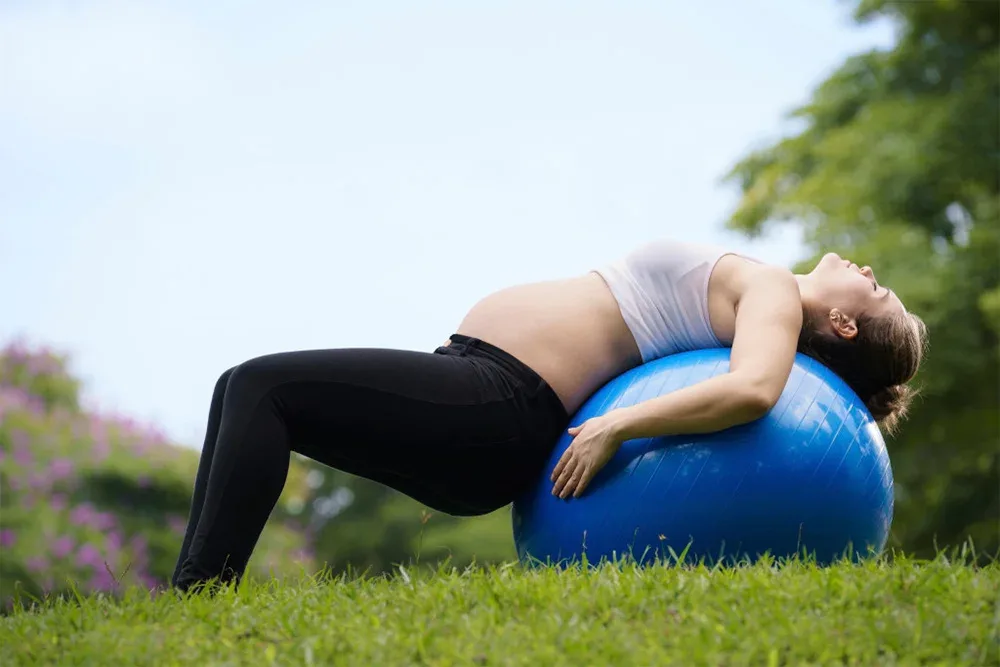
Highlights
- Exercising during pregnancy can help prepare your body for birth.
- Only do exercises that match your fitness level.
- Aerobic activities and strengthening exercises can be beneficial.
- If you have health conditions or a complicated pregnancy, avoid exercising.
- Consult your doctor before starting any exercise routine.
In This Article
- Highlights
- Benefits of Exercise During Pregnancy
- Exercise Frequency During Pregnancy
- Exercise Intensity
- Short Exercise Sessions
- Recommended Types of Exercise
- Exercises to Avoid
- When Exercise Is Not Recommended
- Exercise Safety Tips
- Warning Signs to Stop Exercising
- Tools and Assistance
Benefits of Exercise During Pregnancy
Physical activity during pregnancy is beneficial, but it’s essential to choose appropriate exercises.
Exercising while pregnant can:
- Help prepare your body for childbirth and recovery afterward
- Reduce back and pelvic pain
- Strengthen muscles and joints to support extra pregnancy weight
- Improve overall fitness
- Prevent excessive weight gain
- Lower the risk of pregnancy complications
- Reduce the risk of mental health concerns
It is advisable to speak with your doctor or midwife before beginning any exercise regimen. They can help you determine the best options for your situation.
Exercise Frequency During Pregnancy
If you are pregnant, try to stay active daily.
The type and intensity of exercise should depend on:
- Your previous fitness level before pregnancy
- The stage of your pregnancy
Aim to include strengthening exercises at least twice a week.
For aerobic exercise, consult a guide or professional advice on suitable intensity and duration throughout pregnancy.
If you weren’t active before you got pregnant, don’t suddenly take up intense exercise.
As your pregnancy progresses, you may need to exercise less. If in doubt, talk to your maternity team.
Exercise Intensity
You can determine exercise intensity using the ‘talk test.’
The more intense the exercise, the harder it will be to talk. During light to moderate exercise, you should be able to hold a conversation.
| I was very active before pregnancy | Aim for about 15 to 30 minutes of high intensity aerobic exercise most days. ORAim for about 30 to 60 minutes of low to moderate aerobic exercise most days. |
| I was active before pregnancy | Aim for about 15 to 30 minutes of low to moderate aerobic exercise each day. |
| I was not active before pregnancy | Start with 15 minutes of continuous aerobic exercise at a time. You can gradually build to up to 30 minutes at a time. |
If you weren’t active before you got pregnant, don’t suddenly take up intense exercise.
As your pregnancy progresses, you may need to exercise less. If in doubt, talk to your maternity team.
Short Exercise Sessions
You don’t need to complete all your daily exercise in one session; you can break it up throughout the day.
Exercise does not need to be strenuous to be beneficial. Any physical activity is better than none.
Recommended Types of Exercise
A combination of aerobic and strengthening exercises is ideal.
Aerobic Exercises
Appropriate aerobic exercises during pregnancy include:
- Walking
- Cycling
- Swimming
- Fitness classes
Strengthening Exercises
Strengthening exercises include:
- Yoga and Pilates
- Resistance training
You can also try incorporating the exercises below into your routine.
Push-Ups
Modified push-ups are safe during pregnancy:
- Position yourself on your hands and knees.
- Keep your knees under your hips and hands under your shoulders.
- Lower your torso by bending your elbows, keeping your back straight.
- Repeat up to 10 times while breathing steadily.
Upper Back Strengthening Exercise
- Sit or stand with a straight back.
- Bend your arms and lift them to shoulder height.
- Press your elbows back, squeezing the muscles near your shoulder blades.
- Bend forward to stretch your back muscles.
- Relax and repeat up to 5 times.
Stomach Strengthening Exercise
- Position yourself on your hands and knees.
- Keep your back straight and engage your lower stomach muscles.
- Hold for 5 slow breaths, then relax.
- Repeat up to 10 times.
- You can also do this exercise while standing or sitting.
Pelvic Tilt Exercise
- Position yourself on your hands and knees.
- Keep your back straight and engage your lower stomach muscles.
- Arch your back and hold for several seconds before relaxing.
- Repeat up to 10 times.
Alternatively, perform this exercise while standing:
- Stand with your shoulders and bottom against a wall, knees slightly bent.
- Pull your tummy button toward your spine, flattening your back against the wall.
- Hold for a few seconds, then release.
- Repeat up to 10 times.
Pelvic Floor Exercises
Pelvic floor exercises strengthen muscles that endure strain during pregnancy and childbirth:
- Squeeze your pelvic floor muscles.
- Hold for 3 to 5 seconds while breathing normally.
- Relax and rest for 5 seconds.
- Repeat up to 10 times, gradually increasing the hold time to 10 seconds.
- Aim to do this exercise 3 times a day.
Exercises to Avoid
While most exercises are safe during pregnancy, some should be avoided.
Lying on Your Back
After 28 weeks, lying flat on your back can reduce blood flow to your baby and make you feel faint.
Certain Sports
Avoid contact sports where there is a risk of being hit, such as:
- Football
- Hockey
- Judo
- Kickboxing
- Squash
- Tennis
To avoid joint discomfort, steer clear of exercises that:
- Are high-impact or repetitive
- Involve twists, turns, high stepping, or sudden stops
- Include jumping or bouncing
Activities with a Fall Risk
Avoid activities that increase the risk of falling, such as:
- Cycling
- Downhill skiing
- Gymnastics
- Horse riding
- Ice hockey
Changes in Pressure and Altitude
Avoid activities like scuba diving and skydiving. Also, refrain from exercising at altitudes above 2,000m until you have acclimatized.
High Temperatures
Your body temperature is slightly higher during pregnancy. Intensive exercise can increase your core temperature to an unsafe level for your baby.
When Exercise Is Not Recommended
Exercise may not be suitable if you have a complicated pregnancy or a higher risk of preterm labor. This may include conditions such as:
- Pre-eclampsia
- Placenta previa
- Multiple pregnancy
- Bleeding in the second or third trimester
- A weak, incompetent, or short cervix
- Ruptured membranes (water breaking)
If you have pre-existing health conditions, consult your doctor before exercising, especially if you have:
- Poorly controlled type 1 diabetes
- Hypertension (high blood pressure)
- Thyroid disease
- Serious cardiovascular, respiratory, or systemic disorders
Exercise Safety Tips
- Always warm up before exercising and cool down afterward.
- Avoid strenuous exercise in hot or humid weather—opt for cool, well-ventilated spaces.
- Stay hydrated by drinking plenty of water.
- Wear comfortable clothing, appropriate shoes, a supportive maternity bra, and loose-fitting attire.
- If attending exercise classes, ensure your instructor is qualified and aware of your pregnancy stage.
- Try water-based exercises like swimming, as water supports your increased weight.
- Walking, low-impact aerobics, and stationary cycling are excellent moderate aerobic options that reduce joint stress.
Warning Signs to Stop Exercising
Stop exercising and see your doctor or midwife immediately if you experience:
- Chest pain or unexplained shortness of breath
- Dizziness
- Headache
- Muscle weakness
- Calf pain or sudden swelling of the ankles, hands, or face
- Vaginal bleeding
- Nausea and vomiting
- Abdominal, back, or pelvic pain
You should also stop exercising if you notice decreased fetal movement.
Tools and Assistance
To safely and effectively exercise during pregnancy, it’s useful to have access to a variety of resources and support from professionals.
Who to Reach Out To:
- Your Doctor or General Practitioner — helps assess your overall health and provides recommendations for safe physical activity.
- Obstetrician or Midwife — offers guidance on appropriate exercises at different stages of pregnancy.
- Physiotherapist specializing in prenatal care — can develop a personalized exercise plan, especially if you experience back pain, pelvic discomfort, or other issues.
- Certified Fitness Instructor specializing in pregnancy — ensures you’re doing exercises correctly and not overexerting yourself.
Helpful Tools:
- Exercise Log — keep track of the exercises you do, how long you exercise, and how you feel afterward. This helps monitor progress and adjust your activity levels as needed.







Please log in to leave a comment.