Highlights
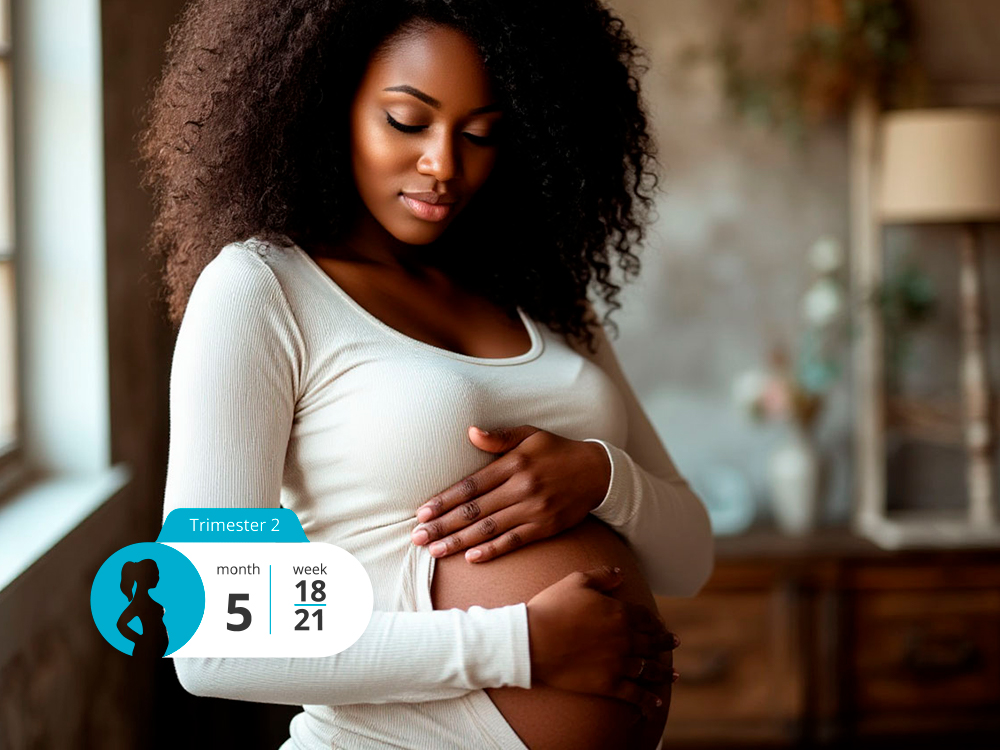
- The fifth month marks the midpoint of pregnancy and the beginning of the second half of gestation.
- Fetal movements become more noticeable, and the pregnancy bump is now rounded.
- Ultrasound often reveals the baby’s sex.
- Maternal blood volume increases; mild anemia may develop.
- The fetus develops muscles, bones, nails, hair, and reflexes such as swallowing and sucking.
- Common maternal experiences: back pain, mild irritability, and colostrum production.
- Routine ultrasound and lab tests help monitor fetal health and detect potential complications.
- Balanced nutrition, adequate calcium, and prenatal vitamins are essential for maternal and fetal well-being.
In This Article
- Maternal body changes in the fifth month
- Weeks included (18–21 weeks)
- Fetal growth and developmental milestones
- Nutrition and dietary guidance
- Maternal weight gain and abdominal changes
- Sexual activity and precautions
- Common issues and complications
- Medical check-ups and recommended tests
- Tools and assistance for expectant parents
Overview
The fifth month brings new sensations and exciting discoveries. Fetal movements are now noticeable, and the baby bump becomes visibly rounded. Many expectant parents learn the sex of the baby through ultrasound, which is usually accurate. Mood and energy levels generally stabilize, although occasional forgetfulness or irritability may occur. First noticeable movements typically appear between 17–20 weeks. If movements are absent or diminished, consulting a healthcare provider is recommended.
Maternal Changes
- Uterus growth: The uterus rapidly enlarges and may now extend 1–2 cm above the navel.
- Blood composition: Plasma volume increases, red blood cells may decrease, and hemoglobin levels can drop, potentially causing mild anemia. Iron supplements may be advised if deficiency is detected.
- Hormonal effects: Progesterone continues to relax muscles, sometimes causing lower back discomfort.
- Breast changes: Colostrum may appear; it should not be expressed forcefully. Use pads or gently wipe away excess.
- Other sensations: Some women may experience mild distractibility or emotional swings.
Weeks Included
- Week 18: Fetus ~12.5–14 cm, 150 g (size of a mango).
- Week 21: Fetus ~18 cm, 300 g (size of a grapefruit).
Nutrition
- Caloric intake should increase by ~500 kcal/day to support fetal growth.
- Snacks between meals are recommended to maintain energy and avoid excessive weight gain. Healthy options include:
- Apples
- Leafy greens
- Whole-grain crackers
- Cottage cheese
- Carrots
- Vitamin A and beta-carotene are important for fetal vision and hearing development. Include colorful vegetables such as bell peppers, carrots, and cabbage, paired with healthy fats for better absorption.
- Calcium needs increase to support fetal bone formation; deficiencies may cause cramps, gum bleeding, or pelvic discomfort. Dairy products and calcium supplements are recommended.
Fetal Development
- The fetus grows rapidly, with bones and muscles strengthening and primary teeth forming.
- Fingernails, hair, and protective skin coating (vernix) appear.
- Swallowing and sucking reflexes develop; hiccups may occur.
- The head remains disproportionately large, reflecting ongoing brain development.
- The fetus actively explores its environment by touching its face, sucking fingers, and moving limbs.
- Facial expressions and some movement of eyebrows and mouth are observable.
- Digestive and immune systems begin functioning, including the production of meconium, leukocytes, and immune proteins.
Maternal Weight and Abdominal Changes
- Average weight gain: 3–5 kg by the fifth month.
- The abdomen and hips are visibly larger, but the bump can still be concealed depending on body shape.
- Belly shape is influenced by fetal position, amniotic fluid volume, and maternal pelvis width.
Sexual Activity
- Sexual activity is generally safe if there are no contraindications.
- Possible precautions include:
- Threatened miscarriage or previous pregnancy complications
- Vaginal bleeding
- Placenta previa
- Infections in the genital tract or from a partner
- Recommended positions: side-lying or woman on top to minimize pressure on the abdomen; avoid deep penetration or abrupt movements.
- Sensitivity and sexual desire vary individually due to hormonal changes.
Potential Issues
- Heartburn: Common due to progesterone relaxation and uterine pressure; alleviated by small meals, avoiding spicy/fatty foods, and consuming dairy or non-carbonated water.
- Placenta previa: Rare but serious; can lead to bleeding requiring medical attention.
- Pregnancy-related pyelonephritis: Urinary tract inflammation caused by increased kidney and bladder load; symptoms include fever, back pain, and painful urination, requiring urgent care.
Ultrasound and Tests
- Around week 20, increased frequency of check-ups may be needed.
- Routine assessments: urine analysis, blood pressure, weight, abdominal measurements, fetal heartbeat monitoring.
- Ultrasound examines fetal anatomy, placental condition, amniotic fluid, and growth. Doppler studies evaluate blood flow and fetal oxygenation.
Recommendations
- Skin care: Mild itching may occur; moisturizing or antihistamines can be used if recommended.
- Bathing: Showering is generally safer than baths; avoid slippery surfaces and excessively hot water.
- Work adjustments: Consider reduced workload or lighter duties; discuss maternity leave timing with your employer.
- Physical activity: Light, moderate exercise is encouraged if pregnancy is uncomplicated; avoid strenuous sports.
Tools and Assistance
- Pregnancy trackers for monitoring weeks, fetal growth, and maternal health.
- Prenatal vitamins and supplements for iron, calcium, and vitamins A & D.
- Maternity support products: belly bands, supportive bras, and cushions for sleep.
- Healthcare professionals: obstetrician, midwife, and specialists as needed.
- Support networks and communities for sharing experiences and advice.
Summary:
The fifth month of pregnancy brings noticeable fetal movements, a rounded abdomen, and greater maternal energy. With proper nutrition, moderate activity, and regular medical monitoring, expectant parents can enjoy the midpoint of pregnancy while supporting healthy fetal development.












Please log in to leave a comment.