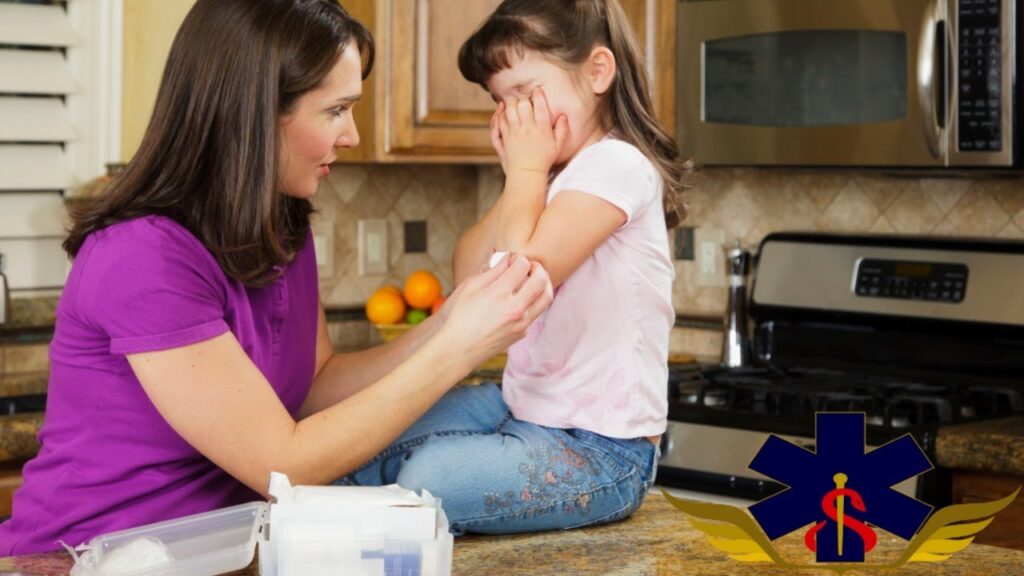
Highlights
- It’s important to learn first aid if you are a parent or carer, or if you work with children.
- You should learn how to do first aid by attending a training course to learn the basic life support steps.
- First aid kits contain many of the things needed to treat common injuries and are important to have around.
In This Article
- Understanding First Aid
- Common First Aid Scenarios
- The Impact of First Aid
- Everyday First Aid
- How to Learn First Aid
- First Aid Supplies
- Support and Information
Understanding First Aid
‘First aid’ means taking immediate action to help someone who:
- is injured
- has been involved in an accident
- has had a medical emergency
Whether it is a baby, a child, or an adult in need of care, the purpose of first aid is to:
- keep someone breathing
- reduce further harm
- help them recover
Common First Aid Scenarios
Accidents can happen anywhere, but most injuries to young children happen at home. First aid can be useful in a range of situations. You might need to help a child who:
- has a simple injury like a cut finger
- has a more serious problem like a broken arm
- is unconscious and needs protection
- is in a life-threatening situation, such as a severe asthma attack
The Impact of First Aid
In any emergency situation, like a sudden severe illness or a serious injury, you need to get medical help immediately. Call for an ambulance.
If you need to give first aid to keep a child alive until medical help arrives, you need to know the basic life support steps. A simple way to remember the order of the steps is the letters DRS ABCD:
- Danger: Make sure you and others are safe.
- Response: If they respond to you, make them comfortable and monitor them. If there is no response, call for help.
- Send for help: Call for an ambulance.
- Airway: Open the mouth. If there is something in the mouth, place the child on their side and clear the airway with your fingers.
- Breathing: Look, listen, and feel for breathing. If they are breathing normally, place in the recovery position. If not, start CPR.
- Cardiopulmonary resuscitation (CPR): 30 chest compressions, 2 breaths. Continue until help arrives.
- Defibrillation: Apply a defibrillator if available and follow the instructions.
Everyday First Aid
Even if a baby’s or child’s life is not immediately at risk, it’s still very important to know what steps to take to give them appropriate care when needed.
Common causes of injuries in young children include:
- falls, such as tripping when running or falling from a bike or a bunk bed
- burns, caused by hot water, fire, or exposure to the sun
- poisoning from harmful substances like medicines, glue, or household chemicals
- drowning
Knowing how to give first aid and having a first aid kit available will help you be prepared for these situations.
It’s also a good idea to have phone numbers handy for:
- emergency services
- poisons information
- your doctor
How to Learn First Aid
You can learn how to do first aid by attending face-to-face training or by doing an online course.
Several organisations run first aid courses, such as:
- Red Cross, which offers a first aid course for babies and children and provides a free app with first aid and CPR instructions
- St John Ambulance, which offers a Caring For Kids course aimed at parents, grandparents, and carers
- Royal Life Saving
- CareFlight
First Aid Supplies
First aid kits contain many of the things needed to treat common injuries. Basic first aid kits usually include:
- materials like plastic strips, swabs, bandages, dressing pads, and tape
- instruments like scissors and tweezers
- medicines like antiseptic, pain relievers, and saline eye wash solution
- safety equipment like disposable gloves to prevent infection
- a thermal blanket to keep an injured or ill person warm
You can buy ready-made kits from various organizations or retail stores. Once you have a kit, you can customize it to suit your needs. For example, if you have a baby, you might want to include a digital thermometer and pain relief medicine suitable for infants.
Make sure to keep your kit safe and dry and check it regularly to ensure the contents are in good condition and within the use-by date.
Tools And Assistance
Here are some helpful tools and resources to support your first aid knowledge and preparedness:
- First Aid Apps — like the Red Cross First Aid App or St John Ambulance App, offering step-by-step instructions for emergencies.
- Printable Checklists — to make sure your kit is fully stocked and up-to-date.
- Emergency Contact Templates — to keep phone numbers for doctors, poison hotlines, and emergency services handy.
- Online Simulations and Videos — showing real-life demonstrations of CPR, choking aid, and wound care.









Please log in to leave a comment.