Highlights
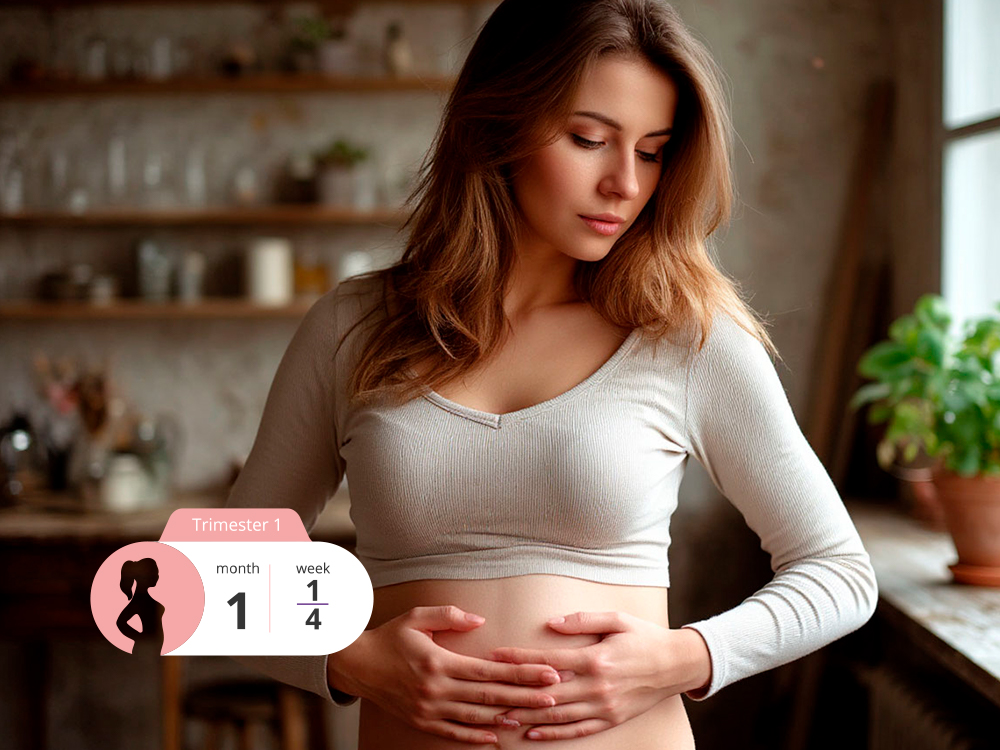
- Pregnancy is often not recognized during the first month.
- Medical dating begins from the first day of the last menstrual period.
- Early symptoms may include breast tenderness, fatigue, and heightened sense of smell.
- Fetal development starts immediately: implantation occurs, and basic hormonal changes begin.
- Lifestyle adjustments and early medical guidance are important.
In This Article
- How pregnancy is medically calculated
- Symptoms and early signs
- Fetal development during the first month
- Possible bleeding and what it means
- Lifestyle recommendations
- Common concerns (cold, nutrition, medications)
- Early diagnostic methods
- Sexual activity in the first month
The Beginning of Pregnancy
Pregnancy may already have started, while many individuals remain unaware of it. Later, the first month is often remembered as the period when profound changes were only beginning to unfold.
In obstetric practice, pregnancy is counted not from the actual day of conception but from the first day of the last menstrual period. The exact moment of fertilization is not always known, so this system provides a consistent method of dating. Conception usually occurs mid-cycle during ovulation, when the egg matures and is released.
The average pregnancy lasts 280 days, or approximately 40 weeks, divided into three trimesters. The first trimester covers the first 12–13 weeks.
Symptoms and Early Sensations
For many, the first month brings few noticeable changes. However, if conception was planned, subtle signs may already be recognized:
- Breast fullness and tenderness
- Heightened sensitivity to odors
- Altered food preferences
- A sense of heaviness or unusual sensations in the lower abdomen
Breast tissue begins preparing for eventual lactation early in pregnancy. Some individuals may feel increased sensitivity, while others notice no changes at this stage.
Additional common indicators include:
- Slight rise in basal body temperature due to progesterone
- Fatigue and increased sleepiness
- More frequent urination linked to higher hCG levels
Fetal Development in the First Month
By the fourth week, the embryo is extremely small—comparable in size to a poppy seed (0.36–1 mm). Weight is negligible, but fundamental cellular processes are active.
Ovulation and fertilization typically occur in the middle of the cycle. The fertilized egg travels toward the uterus, where it implants in the uterine lining. At this stage, the body begins producing hormones to support pregnancy and prevent rejection of the embryo.
Bleeding in the First Month
Menstruation ceases once pregnancy is established. Light bleeding, however, may occur and can be mistaken for a period. This “implantation bleeding” often appears earlier, is lighter, and differs in color from normal menstruation.
Nevertheless, any bleeding during early pregnancy warrants medical evaluation, as it may indicate risk of miscarriage or ectopic pregnancy.
Lifestyle Guidance: Do’s and Don’ts
Early pregnancy requires mindful lifestyle choices. Key recommendations include:
- Maintain balanced nutrition and avoid harmful foods
- Abstain from alcohol, smoking, and self-prescribed medications
- Limit exposure to toxic substances (e.g., chemicals, cat litter due to toxoplasmosis risk)
- Continue moderate physical activity if medically approved
- Avoid unnecessary stress and prioritize rest
Contrary to myths, it is safe to cut hair, prepare baby supplies in advance, or continue mild exercise.
Sexual Activity in the First Month
Opinions vary among specialists. Some recommend avoiding intercourse during very early pregnancy to reduce risks, while others believe it can support emotional well-being if conducted gently and safely. Since many are unaware of pregnancy at this stage, sexual activity is often not restricted unless complications arise.
Common Concerns
- Colds and infections: Early pregnancy is sensitive, as fetal organs are forming. Only medications approved for use in the first trimester should be taken, and always under medical supervision. Preventive measures (vitamins, fresh air, avoiding crowded places) are strongly recommended.
- Nausea and fatigue: Early signs of morning sickness may appear. Proper diet and hydration help ease discomfort.
Diagnostic Methods
- Home pregnancy tests: Can detect elevated hCG levels by the end of the first month.
- Ultrasound: From the third week, an ultrasound may reveal the gestational sac and rule out complications.
- Blood tests for hCG: Provide precise confirmation of pregnancy even before missed periods.
Tools and Assistance
- Pregnancy calculators: To estimate weeks and due date based on the last menstrual period.
- Health apps and trackers: Helpful for monitoring symptoms, nutrition, and lifestyle habits.
- Medical support: Early consultations with a gynecologist provide reassurance and allow for timely detection of potential issues.
- Community forums: Online pregnancy communities offer shared experiences, advice, and emotional support.
Summary: The first month of pregnancy is often unnoticed but sets the foundation for all subsequent stages. Hormonal changes begin, the embryo implants, and early signs may appear. While most external changes are subtle, careful attention to health, nutrition, and medical supervision during this period provides the best start for both parent and child.











Please log in to leave a comment.