Highlights
- Food poisoning is common and can have varying symptoms from mild to severe.
- High-risk foods can cause serious issues, especially during pregnancy.
- Proper shopping, handling, and cooking of food at home are essential for safety.
- Always consider food allergies when preparing food for children and others.
- Stay informed about food recalls and safety updates.
In This Article
- Foodborne Illness
- Safe Food Shopping Tips
- Home Food Handling Tips
- Eating Out Safely
- Allergy Risks in Food
- Learning About Food Safety and Recalls
- Tools and Assistance
Foodborne Illness
It is important to practice safe handling and preparation of food. This is especially true when you are pregnant or have children. It is good to know the risks and how to minimise them.
Food poisoning is a common issue. Symptoms range from diarrhoea and vomiting to more serious conditions. Some bacteria and viruses and their toxins can cause food poisoning. It is important to take care with all food. Foods that smell off, are slimy, or have gone mouldy should not be eaten.
Some foods that cause food poisoning can appear normal, so it is important to prevent contamination.
Some foods are considered high-risk for developing food poisoning. These foods should be avoided if you are pregnant. They include:
- Fresh bean sprouts, other preprepared salad goods that aren’t washed before eating
- Hummus and tahini
- Pâté
- Cold chicken or turkey
- Pre-packaged salads
- Pre-prepared sandwiches
- Processed deli meats
- Raw meat
- Raw dairy products and foods made from these (such as goats’ cheese)
- Raw eggs
- Raw seafood
- Soft serve ice cream
- Stuffing (from roast chicken or poultry)
- Sushi
These foods can cause a severe type of food poisoning that may impact pregnancy.
Salmonella, which can be caught by eating raw eggs and uncooked meat, can in rare cases cause miscarriage.
Listeriosis can be avoided by eating fresh, well-washed foods. Listeria can cause miscarriage, premature labour, or stillbirth.
Toxoplasmosis can come from eating unwashed produce that may have been in contact with cat faeces. This can cause blindness or brain damage in an unborn baby.
Even after childbirth, some foods may require extra care during storage, preparation, and handling.
Seafood contains nutrients that are important for a child’s development. However, it can contain mercury, which is harmful. Monitor seafood intake during pregnancy and for children under 6 years old.
Safely include fish as an important part of a balanced diet:
OR Eat 1 serve per fortnight of these, and no other fish: Shark (Flake) or Billfish (Broadbill, Swordfish, and Marlin)
Eat 2-3 serves per week of any fish and seafood not listed below
OR Eat 1 serve per week of these, and no other fish: Catfish or Orange Roughy (Deep Sea Perch)
| Pregnancy, breastfeeding and planning pregnancy | 1 serve equals 150g |
| Children up to 6 years | 1 serve equals 75g |
Safe Food Shopping Tips
When shopping for food, collect chilled and frozen foods last.
Bring an insulated container for products such as:
- Meat
- Dairy products
- Chilled and frozen foods
Put cold foods into your fridge immediately. Your fridge temperature should be 4°C or less.
Put raw meat on the lowest shelf in your fridge so that the juices don’t drip onto other foods.
Home Food Handling Tips
Preparing Food
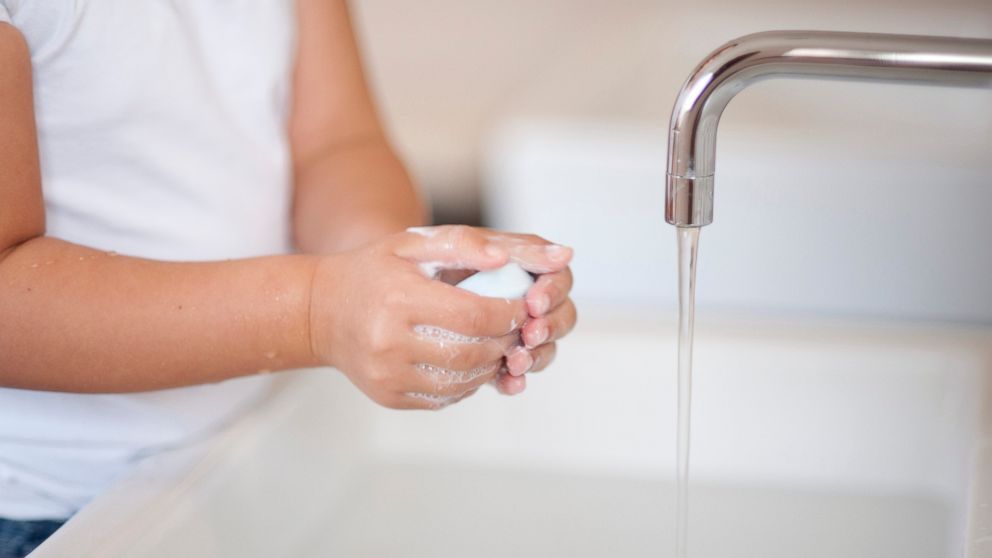
Before preparing food, wash your hands with soap and water. Also, wash your hands before eating. Always wash your hands after changing a nappy or blowing your child’s nose.
Wash fruit or vegetables well with water using clean hands. If you are washing produce in a sink or container, make sure it is also clean.
If there is any concern about the safety of the water, use bottled water. This includes for brushing your teeth and making ice. If bottled water is not available, you can boil water for 5 minutes or use chlorine-based tablets to treat the water.
Keep your utensils clean. Wash benches, dishcloths, chopping boards, and kitchen utensils with soap and water. Separate raw and cooked food. Use different cutting boards and knives for both.
Avoid defrosting meat at room temperature. Instead, defrost chicken or meat overnight in the fridge. If you’re in a hurry, thaw meat in a microwave.
Cooking
Heat kills most bacteria, so make sure you cook foods thoroughly, especially high-risk foods including:
- Chicken
- Pork
- Sausages
- Turkey
When reheating foods, warm them to at least 60°C, and they should be steaming hot.
When barbecuing, carry cooked meat to the table on a clean plate.
If any utensil has been in contact with raw meat, wash it well and keep it away from cooked food to prevent contamination.
Storing Food
Keep hot foods hot. Store cold foods in your fridge.
If you have leftover food, don’t leave it at room temperature. Cool the food quickly and put it into your fridge.
Cooked rice should be placed in your fridge as soon as it has stopped steaming. Keep it in an airtight container in your fridge. Eat within three days of cooking. Improperly stored cooked rice can cause food poisoning.
Store foods that contain raw eggs or milk in your fridge.
Thawed meat can be re-frozen if it was defrosted in the fridge. Ensure it is cooked properly when thawed for the second time.
Eating Out Safely
Be cautious when eating out. When you go on a picnic, carry your food in an insulated container with an ice pack.
Choose food stores that appear clean. Avoid smorgasbord venues. Also, avoid food items that are not stored appropriately, e.g., hot food must be hot when purchased.
Allergy Risks in Food
Think about potential allergies when preparing food for your child and their friends. Common foods that cause allergies include:
- Eggs
- Fish and shellfish
- Peanuts and tree nuts
- Milk
- Sesame seeds
- Soy
- Wheat
Introduce allergy foods to your child’s diet when they are 6 months old. Introduce allergy foods one at a time.
School Lunches
When preparing your child’s lunch for school, remember food safety.
Lunches containing meat, egg, fish, chicken, or soft cheese must be kept cool. A plastic bottle of frozen water in the lunchbox helps.
Inform your child’s school if they have a food allergy. Find out from the school if any foods are banned in school lunches, e.g., nuts and eggs.
Learning About Food Safety and Recalls
Look for consumer information on nutrition, additives, and food safety tips.
Stay informed about food recalls through trusted sources. You can subscribe to email newsletters or follow food safety authorities on social media for the latest updates.
Tools and Assistance
To learn more about food safety and prevent foodborne illness, you can access various tools and assistance services:
- Food Safety Websites: Visit government health departments and reputable organizations for up-to-date food safety guidelines.
- Food Recall Alerts: Subscribe to receive notifications about food recalls and safety warnings.
- Mobile Apps: Use mobile apps for food safety tips, storage guidelines, and to track food recalls.
- Support Groups: Join communities or support groups for specific concerns like food allergies or pregnancy-related food safety.












Please log in to leave a comment.