Highlights
- Fragile X is the most common inherited cause of intellectual disability and the most common genetic cause of autism.
- It is caused by a faulty gene on one of the X chromosomes.
- Symptoms include speech delays, intellectual disabilities, learning difficulties, and behavioral/emotional problems.
- Fragile X is diagnosed through a genetic test. Testing can be done before or during pregnancy.
- There is no cure, but there are treatments for managing symptoms.
In This Article
- What is Fragile X Syndrome?
- What are the Symptoms of Fragile X Syndrome?
- How Do I Know if I Am a Carrier for Fragile X?
- Can Fragile X Syndrome Be Detected During Pregnancy?
- What If My Child Has Fragile X Syndrome?
- Tools And Assistance
What is Fragile X Syndrome?
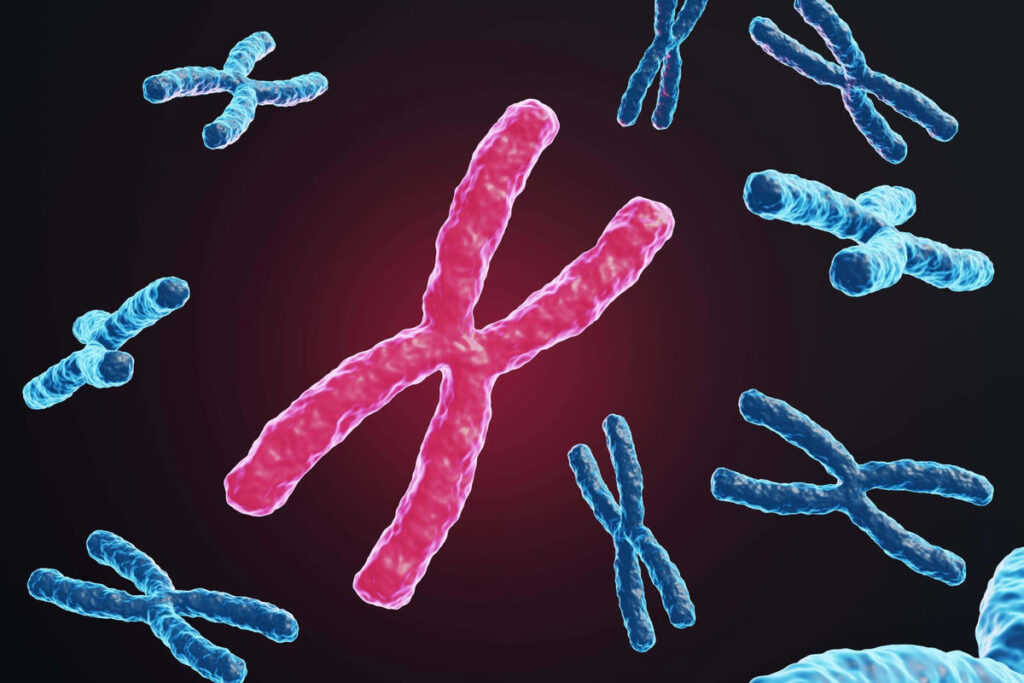
Fragile X syndrome is a genetic condition caused by a mutation in the X chromosome. The gene fault can be passed down through generations. It is more common and severe in males than females. Males have one X chromosome. If it carries a mutation, they will show symptoms. Females have two X chromosomes, so they may carry the mutation without showing symptoms.
Fragile X syndrome causes intellectual disabilities, behavioral and learning difficulties, and some physical features. It is the most common inherited cause of intellectual disability and autism.
It affects about 1 in 3600 males and 1 in 6000 females.
What are the Symptoms of Fragile X Syndrome?
Symptoms vary in severity. Main symptoms include:
- Speech and language delays
- Intellectual disabilities and learning difficulties
- Low muscle tone
- Coordination problems
- Heart murmur
Behavioral and emotional problems may also occur, such as:
- Shyness, aggression, and mood swings
- ADHD or autism spectrum disorder
- Anxiety and obsessive-compulsive disorder
Females with fragile X syndrome or who carry the gene may experience early menopause. Male carriers and occasionally females may develop fragile X tremor ataxia syndrome. Symptoms include unsteadiness, tremors, and memory problems.
How Do I Know if I Am a Carrier for Fragile X?
If you have a family history of fragile X syndrome, you can undergo genetic testing before pregnancy to determine if you are a carrier. Even without a family history, you can still be tested. If you are a carrier, there is a possibility of passing the gene to your children. A genetic counselor can help you explore your options for a healthy baby.
Can Fragile X Syndrome Be Detected During Pregnancy?
If you are a known carrier of fragile X, your baby can be tested using amniocentesis or chorionic villus sampling. If your baby is diagnosed with fragile X, you will need to decide whether to continue with the pregnancy. A genetic counselor can provide guidance in this decision-making process.
What If My Child Has Fragile X Syndrome?
If your child shows symptoms of fragile X syndrome, a DNA blood test can confirm the diagnosis. Knowing the diagnosis helps you find the right support and resources.
The diagnosis can be overwhelming, but support from family and friends is important. Learning about the syndrome is helpful. Early intervention services, including educational, behavioral, and medical support, are essential for your child’s development. Specialists, such as psychologists, may help your family through the process.
Tools And Assistance
Support is available for families raising children with fragile X syndrome. You can contact organizations like the Fragile X Association for advice on treatments and early intervention. A maternal child health nurse can offer further guidance.
Getting the right help and information early is key to managing fragile X syndrome.












Please log in to leave a comment.