Highlights
What you eat before becoming pregnant, during your pregnancy, and after birth can significantly impact your baby’s health. Eating nutritious foods, avoiding harmful substances, engaging in regular physical activity, and avoiding alcohol and smoking all play a vital role in ensuring a healthy pregnancy.
When pregnant, you don’t need to “eat for two.” Instead, focus on consuming more of the nutrients your baby needs for healthy growth and development while limiting foods that are high in salt, sugar, and unhealthy fats. These can be harmful to both you and your baby.
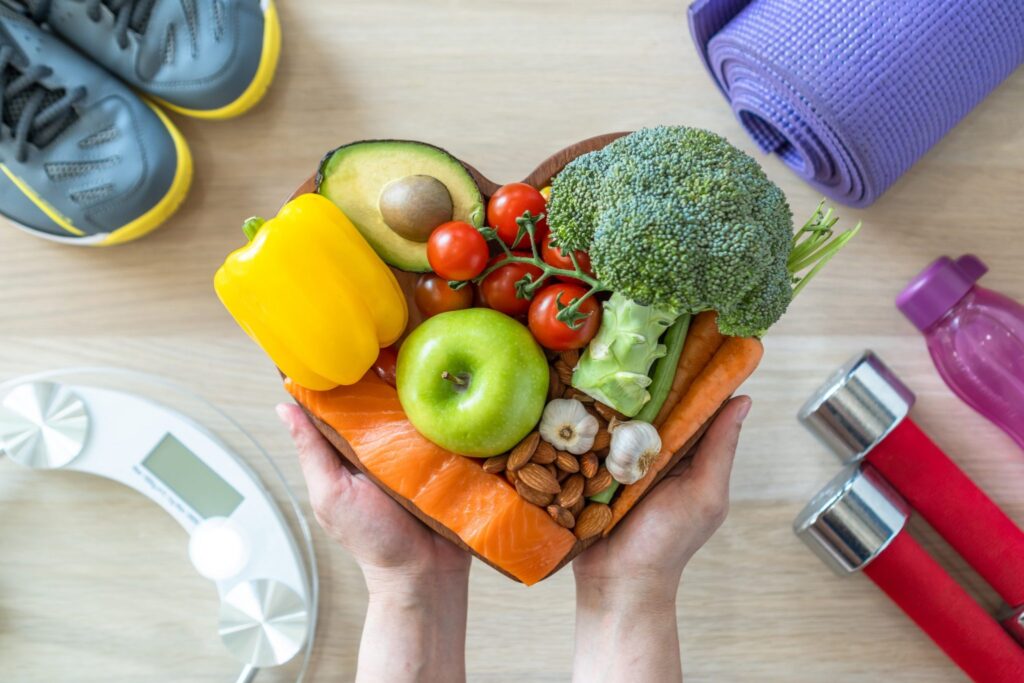
A balanced diet is key. It’s recommended that you eat a wide variety of fruits and vegetables every day. Opt for whole grains—8 to 8 ½ servings a day during pregnancy is ideal. Incorporate iron-rich foods such as red meat, tofu, or legumes, and include plenty of dairy products like reduced-fat milk, yoghurt, or cheese to support your baby’s calcium needs. Eating fruits, vegetables, and legumes, along with drinking plenty of water, can also help alleviate constipation, a common issue during pregnancy.
While it’s fine to have some caffeine during pregnancy, try to limit your intake to around two cups of coffee or six cups of tea a day. Excessive caffeine intake should be avoided as it may have negative effects on your baby.
Avoid food poisoning by steering clear of soft cheeses, pâté, and raw eggs, as these may carry harmful bacteria. Always follow proper food hygiene when preparing and storing food. Additionally, it’s best to limit your consumption of certain types of fish, such as shark, marlin, and swordfish, due to their high mercury content. It is generally safe to eat fish once or twice a week, but avoid those with high mercury levels.
You will also need to take folic acid and iodine supplements during pregnancy. Consult your doctor to determine exactly what supplements you should be taking.
In This Article
- Healthy Weight Gain
- Alcohol
- Smoking
- Physical Activity
- Immunization
- Exposure to Chemicals
- Looking After Yourself
Healthy Weight Gain
Being overweight or obese during pregnancy can increase the risk of various health problems for both you and your baby, including high blood pressure, gestational diabetes, premature birth, stillbirth, and birth defects. Excessive weight gain during pregnancy may also complicate childbirth and your ability to breastfeed.
On the other hand, being underweight can lead to an increased risk of premature birth or delivering a baby that is smaller than expected.
The amount of weight you should gain during pregnancy depends on your pre-pregnancy weight. Your doctor will provide guidance on how much weight is ideal for you to gain during your pregnancy. Gaining too much weight too quickly can lead to complications, even if you are a normal weight before pregnancy.
It’s essential to maintain a steady, healthy weight gain throughout your pregnancy. If your weight gain is above or below the recommended levels, your doctor might refer you to a dietitian to provide tailored advice on what foods to include in your diet.
Strict dieting to lose weight is not recommended while pregnant because it may result in insufficient nutrition for your baby.
Alcohol
Alcohol passes through the placenta and enters your baby’s bloodstream when you drink. Consuming alcohol during pregnancy increases the risk of miscarriage, stillbirth, premature birth, and fetal alcohol spectrum disorders (FASD), which can cause lifelong developmental and cognitive problems for your child.
If you drank alcohol before knowing you were pregnant, it’s unlikely to have harmed your baby. However, once you know you are pregnant, it’s crucial to avoid alcohol completely. There is no safe level of alcohol consumption during pregnancy, and binge drinking (drinking large amounts on one occasion) is especially dangerous.
For more information on managing alcohol consumption during pregnancy, seek support from healthcare providers or organizations that specialize in FASD prevention.
Smoking
Smoking and exposure to second-hand smoke during pregnancy are harmful to both you and your baby. Smoking increases the risk of several pregnancy complications, including preterm birth, miscarriage, low birth weight, and sudden infant death syndrome (SIDS). It can also result in long-term health issues for your child.
Many women successfully quit smoking when they find out they are pregnant, but some may relapse. Don’t be discouraged if this happens. The important thing is to try quitting again. If your partner also quits, it can improve your chances of success.
Your doctor will ask you about smoking, and it’s important to be honest. They can provide support, such as nicotine replacement therapy or counseling, to help you quit.
Remember, it’s never too late to quit smoking during pregnancy. You can contact helplines or seek professional support to stop smoking for the health of both you and your baby.
Physical Activity
Engaging in physical activity during pregnancy is beneficial for both physical and mental health. It is recommended that pregnant women aim for 150 to 300 minutes of moderate-intensity physical activity each week, which can include activities like walking, swimming, or cycling.
Before starting any exercise program, consult with your doctor to ensure the activities you choose are suitable for your pregnancy. Some activities, like high-impact or contact sports, should be avoided as they can cause injury to the abdomen or stress your joints. Scuba diving is also not safe for pregnant women.
It’s important to stay hydrated and avoid exercising in hot conditions. Drink plenty of water before, during, and after physical activity to keep your body well-hydrated.
Immunization
Vaccinations are an essential part of staying healthy during pregnancy. If you are planning to get pregnant, ensure that your vaccinations, such as rubella (German measles) and varicella (chickenpox), are up to date. These diseases can cause serious complications for both you and your baby.
Certain vaccinations are recommended during pregnancy to help protect both you and your baby. For example, the influenza vaccine is important, as pregnant women are at higher risk of complications from the flu. It is recommended that all pregnant women receive the flu vaccine, as it can also protect your newborn after birth.
The whooping cough vaccine is also recommended during pregnancy, typically between 20 and 32 weeks. This helps protect your baby from whooping cough before they are old enough to be vaccinated themselves.
Exposure to Chemicals
During pregnancy, it is important to avoid certain substances that could potentially harm your baby. These include second-hand smoke, hazardous chemicals found in some cleaning products, pesticides, and materials in the workplace. Exposure to certain chemicals can be harmful if inhaled, ingested, or touched.
If you work with chemicals that could pose a risk to you or your baby, speak to your employer about moving to a safer position during your pregnancy. Pregnant workers are entitled to a safe working environment.
Always follow safety guidelines when handling household chemicals, and make sure that any exposure to potentially harmful substances is minimized.
Looking After Yourself
Taking care of your mental health during pregnancy is just as important as looking after your physical health. It’s normal to feel anxious or overwhelmed during pregnancy, but if you feel you might be experiencing symptoms of anxiety or depression, it’s essential to seek help. These conditions are treatable, and support is available.
Getting enough rest, accepting help from loved ones, and taking time to relax can all help with managing stress. Pregnancy can be an emotional rollercoaster, and looking after your mental well-being is just as crucial as taking care of your physical health. If you ever feel overwhelmed, speak with your healthcare provider, who can offer resources and support.
Tools And Assistance
There are various tools and resources available to help you manage your health and well-being during pregnancy:
- Prenatal Vitamins: Ensuring you’re taking the correct prenatal vitamins, including folic acid, iron, and iodine, is essential. These supplements support your baby’s development and your health during pregnancy.
- Dietary Tracking Apps: Use apps that help you track your daily food intake to ensure you’re meeting your nutritional needs. Many apps offer features that allow you to monitor your calories, vitamins, and minerals, helping you stay on track with a healthy diet.
- Exercise Plans: A fitness app or program designed for pregnant women can provide you with safe exercise routines that help you stay active without putting too much strain on your body. Look for ones that offer low-impact exercises, such as walking, swimming, or prenatal yoga.
- Mental Health Resources: Pregnancy can bring emotional ups and downs. Seeking mental health resources such as relaxation techniques, mindfulness exercises, or even apps for meditation can help you manage stress. If you’re feeling anxious or depressed, it’s essential to seek professional help.
- Smoking Cessation Support: There are programs available to assist in quitting smoking during pregnancy. These may include counseling, support groups, or nicotine replacement therapies that are safe for use during pregnancy.
- Weight Management Tools: If you’re concerned about managing your weight gain during pregnancy, a dietitian can provide you with personalized advice. Some health apps also offer specific tools to help monitor and manage healthy weight gain based on your individual needs.
- Breastfeeding Support: If you’re planning to breastfeed, there are resources available to help you. This could include consultations with lactation consultants or apps that provide tips and support for new mothers.
- Healthcare Provider Consultation: Regular consultations with your doctor, obstetrician, or midwife are key to ensuring your pregnancy progresses well. These appointments can also provide opportunities to discuss any concerns or receive additional resources for your pregnancy journey.
- Pregnancy and Parenting Apps: These apps can help you track your pregnancy week by week, offer advice on what to expect, and provide resources for when the baby arrives. Some apps also allow you to log your baby’s milestones once they are born.
Need more information?
Healthy pregnancyHere is advice on what foods to avoid when pregnant, information on scans, screenings and check-ups, exercise tips and how to have a healthy pregnancy.Read more on Pregnancy, Birth & Baby websiteGuide to a healthy pregnancyWhat you put in your body before falling pregnant, during your pregnancy and after the birth can effect your baby.Read more on Pregnancy, Birth & Baby websiteThree steps to your healthy pregnancy and bub | Australian Government Department of Health and Aged CareThis videos outlines 3 steps to your healthy pregnancy. It provides information on eating well, staying active and looking after your wellbeing during pregnancy.Read more on Australian Government Department of Health and Aged Care websiteStronger Bubba Born | Looking after Bubba for all our MobLooking after Bubba for all our Mob Having a safer and healthy pregnancy is the aim for all familiesRead more on NHMRC Centre of Research Excellence in Stillbirth (Stillbirth CRE) websiteHow pathology helps IVF parents get pregnant | Know Pathology Know HealthcareFor IVF parents, pathology testing is vital from fertility tests before conception to ensuring a healthy pregnancyRead more on Know Pathology Know Healthcare websiteSupporting women living with diabetes plan for pregnancy | Diabetes AustraliaWith careful planning and support, women and men living with diabetes can have a healthy pregnancy and baby.Read more on Diabetes Australia websitePlanning for Pregnancy – Rahma HealthPreparing your mind and body can help you have a healthy pregnancy and birth.Read more on Rahma Health websitePlanning for pregnancyThere are a number of things you can do to prepare yourself for pregnancy and also increase your chances of having a healthy pregnancy.Read more on Pregnancy, Birth & Baby websiteWhat we’re doing to support healthy pregnancies | Australian Government Department of Health and Aged CareA healthy pregnancy helps your baby grow strong. We provide support before, during and after pregnancy. This includes support for Aboriginal and Torres Strait Islander peoples, subsidised vaccination, clinical care and mental health support. We also help parents go alcohol- and smoke-free.Read more on Australian Government Department of Health and Aged Care websiteNausea and Vomiting in Pregnancy | AusmedNausea and vomiting in pregnancy is a common condition and may even be an indicator of a healthy pregnancy. It is, however, debilitating for some people and should not be underestimated in its severity.Read more on Ausmed Education website






Please log in to leave a comment.