Highlights
- Headaches are common in early pregnancy due to hormonal changes.
- Migraines may improve, worsen, or stay the same during pregnancy.
- Dehydration, poor sleep, stress, low blood sugar, and eye strain can trigger headaches.
- Paracetamol is safe for treating headaches during pregnancy, but consult a healthcare provider if symptoms persist.
- A headache after 20 weeks could signal pre-eclampsia, a serious condition requiring immediate medical attention.
In This Article
- Does Pregnancy Cause Headaches?
- Does Pregnancy Cause Migraines?
- Other Causes of Headaches During Pregnancy
- When to See a Doctor
- Treating Headaches During Pregnancy
- Treating Migraines During Pregnancy
- Preventing Headaches During Pregnancy
- Preventing Migraines During Pregnancy
- Tools And Assistance
Does Pregnancy Cause Headaches?
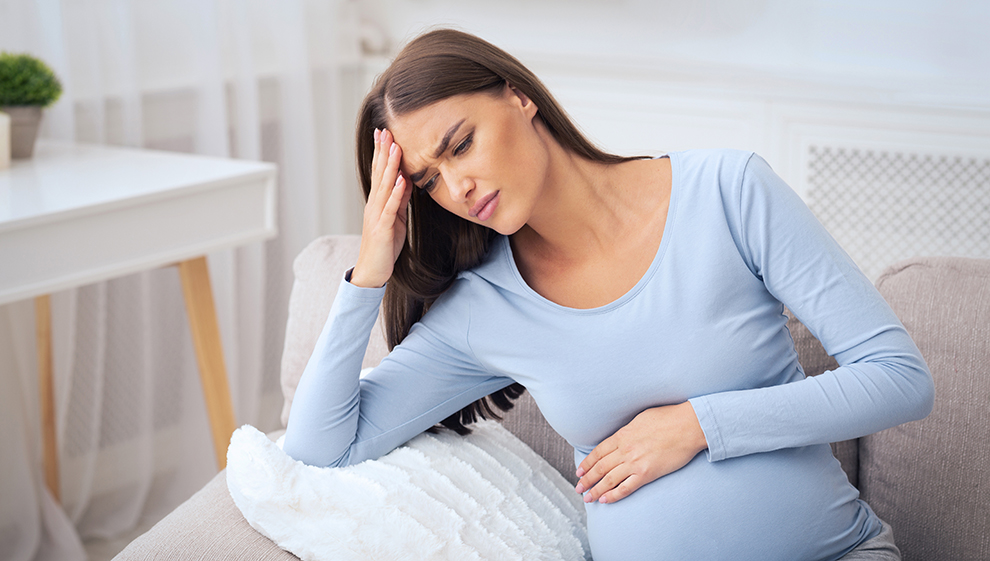
Headaches are common during pregnancy, especially in the first few months. Hormonal changes play a significant role in triggering these headaches, and they tend to improve as the pregnancy progresses. However, headaches can be caused by a variety of other factors, not just pregnancy-related hormonal shifts. Women who are pregnant may experience mild to moderate headaches that can affect daily activities and overall comfort.
Does Pregnancy Cause Migraines?
Migraines, characterized by severe headaches typically affecting one side of the head, may also be influenced by pregnancy. Migraines can be accompanied by symptoms such as nausea, vomiting, and sensitivity to light and sound. For many women, migraines tend to improve during pregnancy, particularly in the second and third trimesters, as hormonal levels stabilize. Up to 70% of individuals who typically suffer from migraines experience relief during pregnancy. However, around 30% of women notice no change in their migraine symptoms, and a small number may find that their migraines worsen.
The nature of migraines during pregnancy can vary from one pregnancy to another, so it’s important to discuss treatment options with a healthcare provider when planning a pregnancy.
Other Causes of Headaches During Pregnancy
While hormonal changes are a common cause of headaches during pregnancy, several other factors can contribute to their onset:
- Dehydration: Insufficient fluid intake can trigger headaches.
- Poor sleep: Inadequate rest can lead to tension and headaches.
- Eye strain: Frequent screen use or improper vision correction can lead to headaches, making eye check-ups essential.
- Dental problems: Issues like toothaches or jaw tension can cause discomfort.
- Infections: Conditions such as ear infections, the flu, or sinusitis can contribute to headaches.
- Pre-eclampsia: This serious pregnancy complication, characterized by high blood pressure and swelling, can lead to severe headaches. It’s important to recognize the signs of pre-eclampsia, which may include blurry vision and swelling in the hands, feet, and face.
Severe and persistent headaches may also be linked to more serious conditions like blood vessel diseases, including brain aneurysms or strokes.
When to See a Doctor
If you experience a severe or persistent headache during pregnancy, it’s important to consult your doctor or midwife. Seek immediate medical attention if you experience any of the following symptoms:
- A very severe headache that doesn’t improve with rest.
- Blurry vision or other visual disturbances.
- Pain below the ribs or upper abdominal pain.
- Sudden swelling in your face, hands, or feet.
- Vomiting, especially if it’s severe or accompanied by any of the other symptoms listed above.
These signs could indicate pre-eclampsia, which requires urgent medical intervention. It’s always best to err on the side of caution and seek professional advice when experiencing unusual or intense headaches.
Treating Headaches During Pregnancy
There are several approaches to treating headaches during pregnancy, depending on their severity and cause.
Self-care at home
For mild headaches, you can try the following remedies:
- Stay hydrated: Drink plenty of water throughout the day to avoid dehydration.
- Rest: Take a nap or rest with your eyes closed in a dark, quiet room.
- Relaxation techniques: Engage in relaxing activities, such as pregnancy yoga or deep breathing exercises, to reduce stress.
- Cold or heat therapy: Apply a cold or heat pack to your forehead or the back of your neck for relief.
- Fresh air: A brisk walk outdoors can sometimes help alleviate headache symptoms.
Medicines for headaches
If home remedies don’t provide relief, you can consider taking medication. Paracetamol is generally considered safe during pregnancy and can help ease headache pain. However, it’s best to use it for the shortest time possible and consult your doctor or midwife for guidance.
If paracetamol is not effective, your healthcare provider may recommend short-term use of codeine. However, certain medications, such as anti-inflammatory drugs like ibuprofen and aspirin, should be avoided during pregnancy unless advised by your doctor.
Treating Migraines During Pregnancy
Treating migraines during pregnancy can be more challenging, especially if you need something stronger than paracetamol. Codeine may be prescribed for short-term use if other methods don’t help. In some cases, a medication called sumatriptan, which is available only with a prescription, may be considered for severe migraines. However, it’s important to discuss the risks and benefits of using this medication with your healthcare provider before taking it.
Botulinum toxin type A (Botox) should not be used as a treatment for migraines during pregnancy.
Always consult your doctor or pharmacist before using any medication during pregnancy to ensure it’s safe for both you and your baby.
Preventing Headaches During Pregnancy
If you’re experiencing frequent or mild headaches during pregnancy, consider adopting some preventive measures:
- Sleep: Make sure you’re getting enough rest each night to reduce the likelihood of headaches.
- Hydration: Drink water regularly throughout the day to stay hydrated.
- Nutrition: Eat a balanced diet to maintain stable blood sugar levels.
- Eye care: Take breaks from looking at screens to reduce eye strain.
- Rest and relaxation: Practice relaxation techniques like mindfulness or simply go for a walk to manage stress.
Preventing Migraines During Pregnancy
For individuals who suffer from migraines, there are a few additional steps you can take to reduce their frequency:
- Exercise: Regular physical activity can help prevent migraines.
- Avoid triggers: Identify and avoid specific triggers such as certain foods (e.g., chocolate, preserved meats, and aged cheese), stress, or other environmental factors.
- Keep a headache diary: If you’re unsure what triggers your migraines, keep a diary to track your symptoms and possible triggers.
Tools And Assistance
If you’re struggling with headaches or migraines during pregnancy, speak with your doctor or midwife. They can provide tailored advice and recommend further treatment options to ensure your well-being and the health of your baby. Additionally, healthcare professionals may refer you to resources such as:
- Therapists or counselors for stress management and relaxation techniques.
- Physical therapists for posture correction and managing tension headaches.
- Dietitians for balanced nutrition that supports overall health and prevents headaches.
Always seek professional medical advice before making any changes to your health routine or starting new treatments during pregnancy.












Please log in to leave a comment.