Highlights
- The child health nurse service is available to families with children from birth to school age.
- Your child health nurse offers information, guidance, and support on issues related to parenthood and child health and development.
- There are key times when it is helpful for your child to visit the child health nurse for an assessment of their health and development.
- You should see your doctor if your child is sick.
In This Article
- What is a routine health check?
- How often should my baby or child have a health check?
- Why are these ages recommended for health checks?
- What happens during a regular health check?
- Should I take my child to a doctor or a child health nurse?
What is a Regular Health Check?
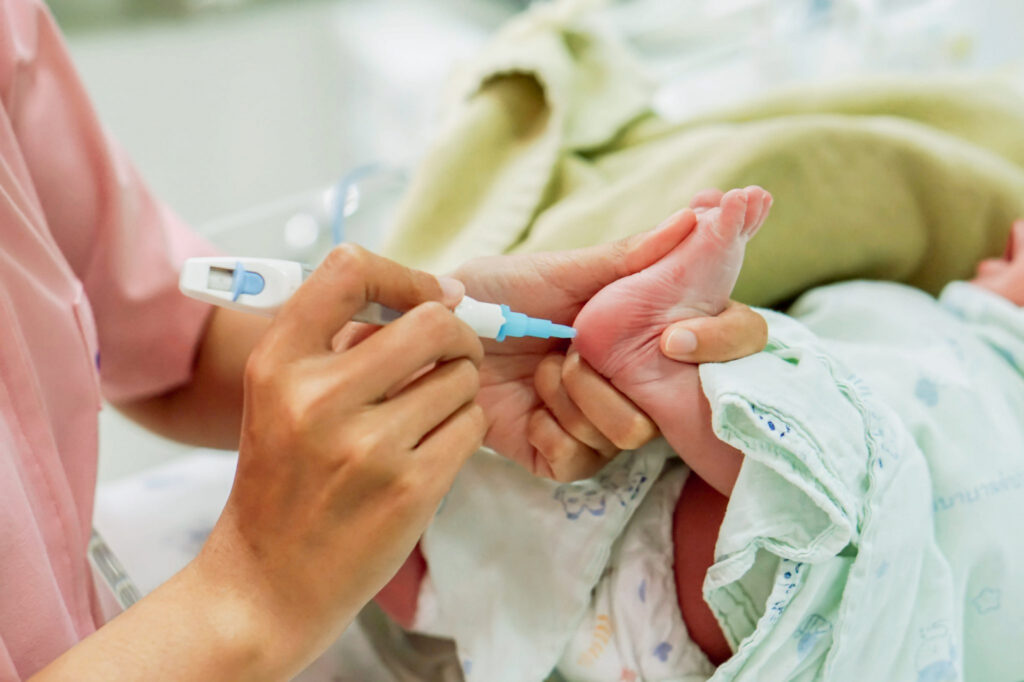
Routine health checks involve taking your baby or child to see a healthcare professional at regular times to assess their health, growth, and development.
Your healthcare professional will inform you if your child is following a typical growth pattern and how you can support your child at each stage.
These checks also include advice on feeding, nutrition, safe sleeping, and general caregiving.
Regular health checks are an opportunity for your baby or child to receive their routine vaccinations.
It is recommended that children attend scheduled health checks until they turn 5, as these checks help monitor growth, development, and detect possible problems early.
Frequency of Health Checks for Your Child
Babies and children from birth to 5 years should be seen regularly, with specific age recommendations for health checks. You can also see a healthcare professional anytime if you have concerns.
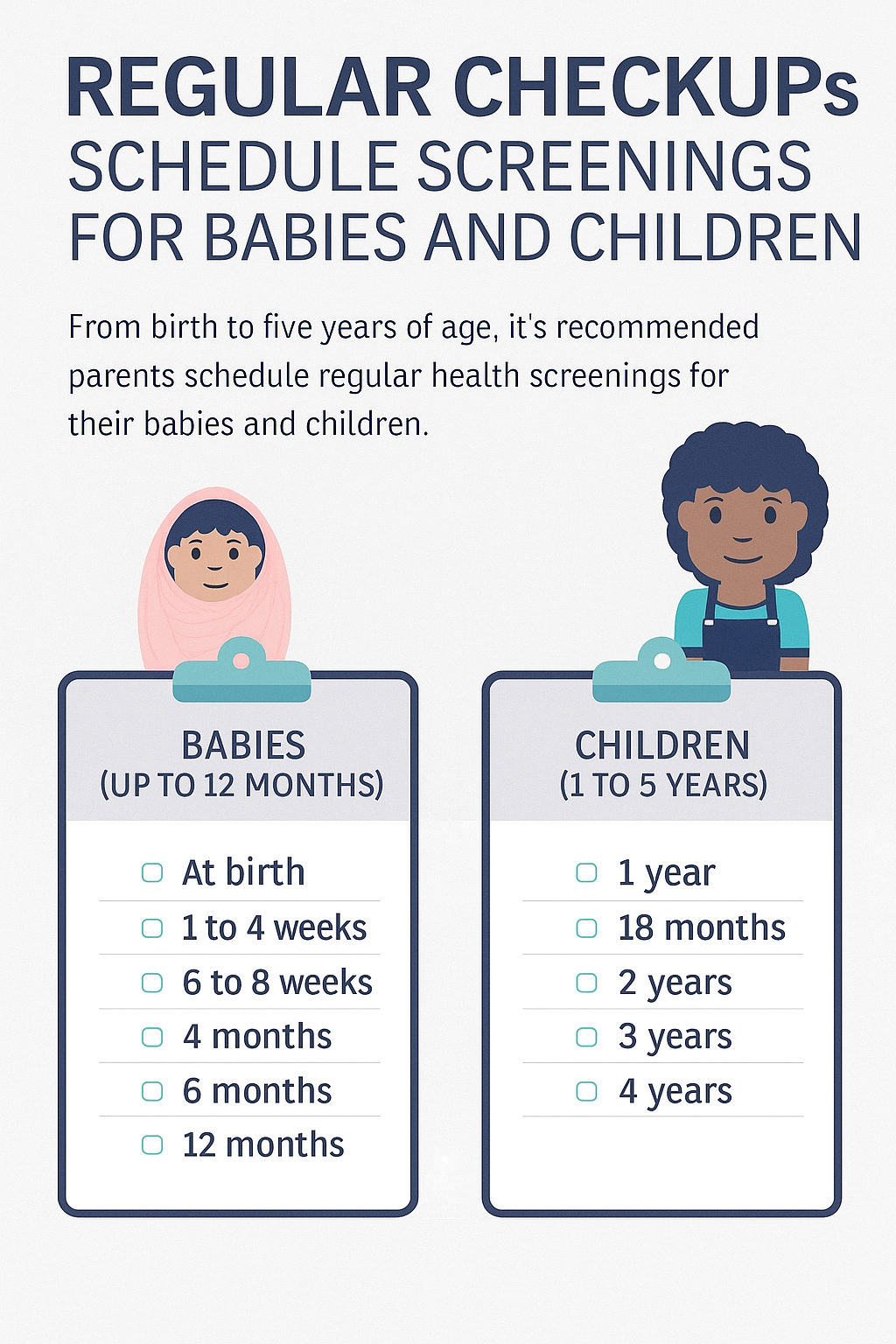
Babies (up to 12 months) typically have health checks at these times:
- At birth
- 1 to 4 weeks
- 6 to 8 weeks
- 4 months
- 6 months
- 12 months
Some babies may need more frequent checks, especially if they have health problems, were born prematurely, or are experiencing slow growth.
Children (1 to 5 years) should have health checks at these ages:
- 1 year
- 18 months
- 2 years
- 3 years
- 4 years (or before they start school)
These checks include measuring height and weight and ensuring the child is meeting developmental milestones and getting immunizations on time.
Why are These Specific Ages Important for Health Checks?
The first 5 years are crucial for brain and body development, which is why regular health and development checks are important.
Monitoring weight gain, growth, and development helps ensure that your child is within the normal range for their age and sex.
If there is a delay in growth or development, early intervention can be helpful.
Specific growth markers, such as weight gain patterns, help healthcare professionals assess progress.
What Happens During a Routine Health Check?
Babies (up to 12 months)
Your healthcare professional will physically examine your baby from head to toe, as well as weigh and measure them.
Their head, skin, eyes, hip abduction, and leg length will be checked.
Vision and hearing will also be tested.
You will be asked about your baby’s feeding, sleep, behavior, and your observations of their development.
The healthcare professional will observe your baby and conduct activities to assess their development.
Growth is measured by weight, but other indicators like head circumference, length, and overall appearance are also important.
Percentile or growth charts are used to compare your baby’s growth with others of the same age and sex.
Vaccinations may be given if they are due.
Children (1 to 5 years)
Your healthcare professional will check your child’s hearing, vision, growth, and development.
They will use scales and measuring devices designed for young children to weigh your child and measure height and head circumference.
The healthcare professional may ask your child to perform activities or observe them while interacting with you or toys.
They will plot your child’s measurements on growth charts and compare them against other children of the same age and sex.
You will be asked about your child’s eating, sleeping habits, and general behavior.
The healthcare professional may ask other questions to identify developmental delays or concerns.
You can provide information about your child’s health and growth, and discuss any concerns during the appointment.
The healthcare professional will also ask about you to ensure your well-being and offer support.
Regular checkups provide access to guidance and help address any concerns.
Doctor or Child Health Nurse: Who Should You Visit?
It’s important that your baby is seen regularly by a qualified health professional with whom you feel confident.
Child health nurses (CHNs) work at community health centers or clinics, and some may offer home visits. They specialize in infant growth and development.
General practitioners can also do regular baby checks but may not be as familiar with infant development as CHNs.
You should take your child to the doctor if they are sick, have a rash, fever, or if you have other health concerns.
CHNs can provide routine health checks and vaccinations. If there are concerns about your child’s health, they may refer you to a specialist or suggest more frequent health checks.
The child health nurse and doctor will work together to provide the support your child needs.
Tools and Assistance
- Child Health Record
Keep track of your child’s health check-ups, growth, and development milestones using a child health record. This record will help you monitor vaccinations, physical growth measurements, and health concerns over time. It’s a useful tool to bring to appointments and discuss any health concerns with your healthcare provider. - Growth Charts
Growth charts are essential tools used to track your baby’s physical development, such as weight, length, and head circumference. These charts are used by healthcare providers to assess if your child’s growth is following a typical pattern compared to others of the same age and sex. - Developmental Milestone Checklists
Developmental milestone checklists provide a guide to help you track your child’s physical, cognitive, and emotional development. These checklists allow you to compare your child’s progress with general milestones and provide an opportunity for you to raise any concerns with healthcare providers during regular check-ups. - Vaccination Schedule
An up-to-date vaccination schedule is essential for ensuring your baby or child receives the proper immunizations at the right time. Your healthcare provider will give you a schedule, but keeping a personal copy can help you stay on track. - Child Health Nurse Contact
Child health nurses offer regular assessments of your child’s health, development, and vaccinations. They are a great source of support and guidance for parents. You can contact a child health nurse if you need advice about your child’s health or if you want to schedule a health check. - Safe Sleeping Guidelines
Ensure that you are following the latest recommendations for safe sleep for babies. Using a sleep checklist can help you avoid risks like suffocation or overheating. This includes ensuring your baby sleeps on their back in a safe, clear space free of soft toys and bedding. - Parent Support Groups
Join parenting groups, either online or in person, for guidance, emotional support, and shared experiences about your child’s health and development. These groups can provide you with a wealth of advice from other parents and professionals.












Please log in to leave a comment.