Highlights
- Children need foods from all 5 food groups
- A balanced diet includes fruits, vegetables, grains, protein, and dairy
- “Sometimes foods” should be limited
- Water and milk are the best drink options
- Involve your child in planning and preparing meals
- Limit sugary snacks and drinks
- Encourage fun, positive food experiences
In This Article
- What is Healthy Eating?
- The Five Food Groups
- Best Drink Options
- Foods to Limit or Avoid
- Managing a Healthy Diet
- Creating Healthy Eating Habits
- Handling Food Allergies and Intolerances
- What to Do if Your Child Is Overweight
- Tools And Assistance
What is Healthy Eating?
Children need a variety of foods from the 5 food groups to grow and develop properly. These foods provide essential nutrients such as:
- Energy
- Vitamins
- Minerals
- Antioxidants
- Fibre
- Water
Eating a wide variety of fresh foods from these food groups helps children receive the necessary nutrients. Encouraging healthy eating habits helps children make better food choices as they grow, lowering the risk of developing lifestyle-related diseases like obesity, heart disease, and diabetes.
The Five Food Groups
Fruit and Vegetables
Most fruits and vegetables are low in energy but high in fibre and water, helping to keep you full.
They provide fibre, folate, and vitamin C.
Fruits and vegetables are two distinct food groups.
Grains (Cereals)
Grains are rich in fibre, which aids digestion and helps prevent constipation.
They also provide carbohydrates, protein, fibre, and essential vitamins and minerals like folate and zinc.
Wholegrain varieties are the best choice for maintaining digestive health.
Examples of grains include: wheat, barley, oats, polenta, quinoa, rice, and pasta.
Lean Meat, Fish, Poultry, and Meat Alternatives
These protein-rich foods are vital for brain, nerve, and muscle development.
They provide additional nutrients such as iron, zinc, vitamin B12, and omega-3 fatty acids.
Examples include: lean meats (steak, pork), fish, chicken or turkey, eggs, beans (legumes), tofu, and nuts.
Dairy
Dairy products like milk, cheese, and yoghurt provide protein and calcium essential for growth.
They are also a good source of iodine, vitamin A, and vitamin D.
Reduced-fat dairy is recommended for children over the age of 2.
How much should my child eat?
The number of servings from each food group depends on your child’s age. You can find more details on serving sizes in official healthy eating resources. The standard dietary guidelines outline the following recommendations:
| Age | 2-3 years | 4-8 years | 9-11 years | 12-13 years | 14-18 years |
|---|---|---|---|---|---|
| Fruit | 1 serve | 1½ serves | 2 serves | 2 serves | 2 serves |
| Vegetables | 2½ serves | 4½ serves | 5 serves | 5-5½ serves | 5-5½ serves |
| Grains and Cereals | 4 serves | 4 serves | 4-5 serves | 5-6 serves | 7 serves |
| Lean meats, fish, poultry, egg, tofu, nuts and seeds, and beans/legumes |
1 serve | 1½ serves | 2½ serves | 2½ serves | 2½ serves |
| Dairy | 1½ serves | 1½-2 serves | 2½-3 serves | 3½ serves | 3½ serves |
Best Drink Options
What is a Healthy Drink?
Drinking water is the best way to quench your child’s thirst. A glass of milk is another healthy option.
Drinks to Limit
Other drinks may have added sugar and energy (kilojoules). These drinks should be limited and enjoyed in small amounts:
- Flavoured mineral water
- Fruit juice drinks
- Soft drinks
- Sports drinks
Fizzy (carbonated) water or soft drinks are acidic and can lead to tooth decay.
Foods to Limit or Avoid
What Foods Should I Avoid?
‘Sometimes foods’ are also called junk food or ‘discretionary’ foods. These are not essential for your child’s dietary needs.
They are typically processed foods that are low in nutrients and high in salt, saturated fat, and sugar.
‘Sometimes foods’ include:
- Cake
- Chips
- Chocolate
- Fast foods and fried foods
- Ice cream
- Lollies
- Meat pies
- Pastries
These foods increase the risk of weight gain, which can contribute to childhood obesity and type 2 diabetes. Limit these foods to special occasions and small amounts.
Foods to Avoid
Foods with too much saturated fat can increase the risk of heart disease by raising blood cholesterol levels.
Some products with high saturated fat content are:
- Cakes
- Biscuits
- Sausages
- Bacon
Try to choose products that do not contain trans fats.
Instead of butter, try using a reduced-fat spread for sandwiches or canola or olive oil for cooking.
Remember, fat is important for young children. Full-fat dairy products should still be given to children under 2 years of age.
Managing a Healthy Diet
Families are busy, so it helps to organise your food for the week. Stock your cupboards with quick, healthy choices and plan your meals. Always have basic foods available to prepare fast, simple, and nutritious meals.
Plan Healthy Meals
Writing out a shopping list is a useful way to plan meals. It also serves as a reminder to eat healthily. Some things to put on your shopping list include:
- Eggs, low-fat or skim milk, yoghurt, low-fat cheese
- Fresh or canned fruit (in own juice or light syrup)
- Fresh, frozen, or low-salt canned vegetables
- Fresh or frozen lean meats, such as convenient canned fish
- Healthy snacks like fruit, cheese, and yoghurt
- Leafy vegetables
- Low-sugar, high-fibre cereals
- Nuts and seeds
- Whole-wheat bread, rice (brown is best), pasta, and other whole grains
Handy Breakfast Ideas
- Boiled egg and toast
- Cereal with fruit and yoghurt
- Oatmeal (porridge) made with milk
- Scrambled eggs on toast
- Toast with peanut butter, fruit, and milk
- Cottage cheese and sliced tomato on wholegrain toast
You can make preparing healthy dinners easier by:
- Keeping meals simple
- Preparing what you can the night before, such as marinating or thawing meat
- Using a slow cooker to prepare a soup or stew in the morning, so dinner is already ready in the evening
Most children do not get enough fruits or vegetables. When planning healthy meals, try to include fruits and vegetables in all meals. You can try:
- Keeping a bowl of fresh fruit on the counter
- Storing baby carrots in the refrigerator for snacking
- Offering vegetables to dip in low-fat dressing, hummus, or Greek yoghurt
- Making vegetable soups and colourful salads
- Using a variety of different vegetables in your meals
Change Your Habits
You should try to change your shopping habits if you usually buy:
- Processed baked goods such as pies and sausage rolls
- High-fat, high-sugar snacks like chips and lollies
- Soft drinks
- Sugary fruit drinks
Children get used to having these foods available and will often choose them over healthy snacks like fresh fruits or yoghurt. You can try to:
- Swap chips or biscuits for fruit, vegetables, or popcorn
- Switch from high-sugar cereals to those with less sugar and higher fibre
- Buy wholegrain versions of your usual breads and cereals
- Avoid eating at fast food restaurants. If you do eat out, avoid high-fat side dishes like garlic bread and soft drinks. Try including fresh fruit, vegetables like corn on the cob, and milk or juice in the meal.
Creating Healthy Eating Habits
Healthy eating is usually a family affair. Many parents realise that rushed schedules and frequent dinners from fast food restaurants affect how their children eat and view food.
The best ways to get your kids to eat well are to model healthy eating habits and get them involved in planning meals.
Healthy Snacks
Healthy snacks can help your child meet their daily nutrition requirements. Always keep a variety of healthy snacks at home, such as:
- Fruit
- Healthy homemade muffins or muesli bars that are low in refined sugars
- Popcorn
- Rice crackers
- Nuts
- Natural yoghurt with chopped fruit
- Vegetable sticks with healthy dips such as hummus
Avoid giving your child ‘sometimes foods’ as snacks since they’re a poor source of nutrients.
Making Food Fun
You can encourage your child to eat healthily by making mealtimes fun, social, and interesting. You can:
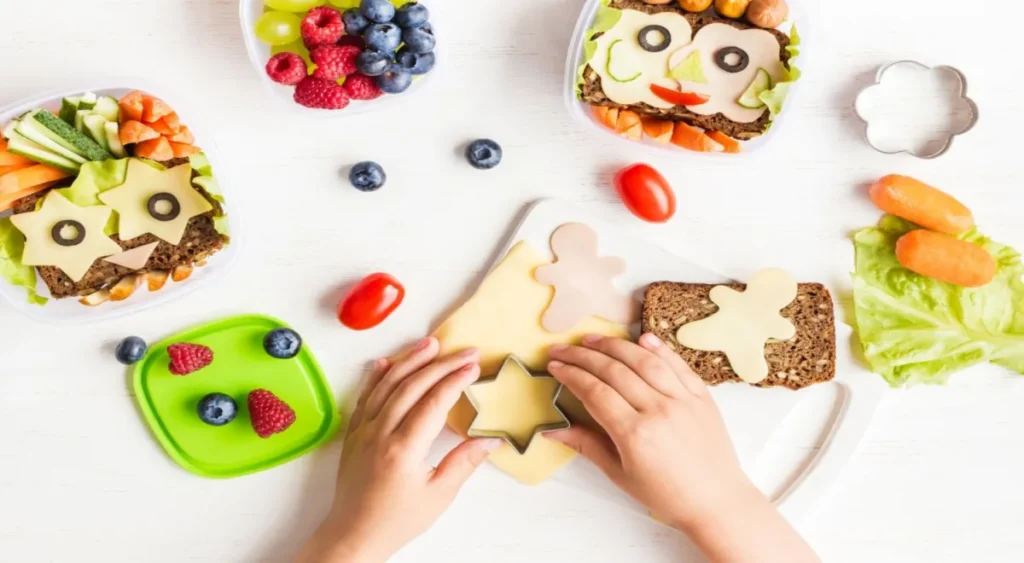
- Cut sandwiches, fruit, and vegetables into interesting shapes
- Eat with your children at the dinner table
- Encourage them to try new foods and recipes
- Teach them about how foods are grown and where they come from
- Use a variety of vegetables and fruits in meals
When trying new foods, realise that children may be hesitant due to textures and flavours. Many kids won’t try a new food until it’s been offered several times. Continue offering a variety of food but try not to become frustrated or force them to eat new foods.
Involving Your Child
Including your child in food-related decisions will make them more excited about healthy eating. Let your child:
- Control the amount of food they eat — let them serve themselves or clear their plate
- Help write the shopping list
- Assist with shopping, cooking, and preparing foods, as appropriate for their age
- Create new food combinations
Try serving smaller portions at mealtimes. Encourage your child to ask for more if they are still hungry.
Handling Food Allergies and Intolerances
Some children have allergies or intolerances to certain foods, such as dairy, eggs, nuts, and seafood.
For your child’s safety, it’s best to confirm an intolerance or allergy with your doctor or an accredited dietitian. They can advise you on how to manage an allergy so your child doesn’t miss out on any key nutrients for their growth and development.
What to Do if Your Child Is Overweight
Children often gain too much weight from drinking too much soft drink and juice, eating too many high-calorie snacks and fast foods, and not getting enough exercise.
If you are concerned that your child is overweight, talk to your child’s doctor.
Children are rarely put on calorie-restricted diets because it can affect their normal growth. A child may be overweight during their development while their height catches up.
The healthy meal planning tips given here are appropriate for both normal weight and overweight children.
Along with healthy eating, encourage your child to be physically active every day. If you are concerned about your child’s weight, speak to your doctor or find an Accredited Practising Dietitian for guidance.
Tools And Assistance
Tools And Assistance
If you’re looking for support with your child’s healthy eating habits, consider these helpful tools and approaches:
- Get the whole family involved – Involve children in cooking, meal prep, and food selection to make healthy eating a shared and enjoyable experience.
- Consult a registered dietitian or nutritionist – They can provide personalised guidance based on your child’s age, preferences, and health needs.
- Use a meal planner – Weekly meal planning templates can help you stay organised and ensure balanced meals are available every day.
- Create a shopping checklist – A simple list of healthy pantry staples, fresh produce, and quick snacks can make healthy eating more accessible.
- Explore interactive tools for kids – Food games, fun charts, or meal prep tasks can help children learn about nutrition in an engaging way.
- Talk to your child’s doctor – They can offer advice if you’re concerned about your child’s weight, growth, or eating patterns.
- Join parenting groups or forums – Other parents often share practical meal tips, recipes, and support for picky eaters or special dietary needs.










Please log in to leave a comment.