Highlights
- Access to some government benefits may depend on whether your child receives routine vaccinations.
- ‘Vaccination’ is when your child receives a vaccine, and ‘immunisation’ is the process of becoming protected after vaccination.
- Immunisation protects you, your child, and your community from serious diseases before coming into contact with them.
- Many vaccines are free for babies and children under national programs.
- The Immunisation Register records every vaccine your child receives, helping you track future doses.
In This Article
- How Vaccines Build Protection
- Recommended Childhood Vaccines
- Extra Vaccines for Higher Risk
- Why So Many Vaccines Are Needed
- What to Expect During a Vaccination Appointment
- Coping with Needle Discomfort
- Side Effects to Look Out For
- Where to Get Your Child Vaccinated
- How Much Vaccinations Cost
- Tracking Vaccinations with the Immunisation Register
- Understanding the ‘No Jab, No Pay’ Policy
- Tools And Assistance
How Vaccines Build Protection
Immunisation protects against infectious (contagious) diseases. Your child’s immune system responds to a vaccine by producing antibodies to fight the disease. This means if your child is exposed to that illness later, their body will recognize it and protect them from becoming seriously ill.
Vaccines work by using inactive or weakened parts of a virus or bacteria. These components trigger the immune response without causing the actual illness. Some vaccines require multiple doses, including booster shots, to provide long-lasting protection.
Recommended Childhood Vaccines
Your child’s vaccination schedule outlines which vaccines are recommended and at what age they should be given. These vaccines protect against illnesses such as measles, mumps, rubella, diphtheria, tetanus, whooping cough, polio, hepatitis B, and more.
These vaccines are usually provided for free through national immunisation programs.
Extra Vaccines for Higher Risk
Some children may need additional vaccines if they are considered high-risk. This can include children with underlying health conditions, those born prematurely, or those travelling to certain countries. Your doctor or child health nurse can advise whether your child needs extra protection.
Why So Many Vaccines Are Needed
Children are especially vulnerable to certain infectious diseases, so early protection is crucial. Vaccines help prevent millions of deaths each year worldwide. Some diseases require more than one dose of vaccine for long-term immunity, which is why the schedule includes multiple visits at different ages.
Ongoing medical research has made more vaccines available, protecting children from an increasing number of serious illnesses.
What to Expect During a Vaccination Appointment
Before your child receives a vaccine, the healthcare provider will ask about their health and any previous reactions to vaccinations. You’ll be asked to give consent before the vaccine is given.
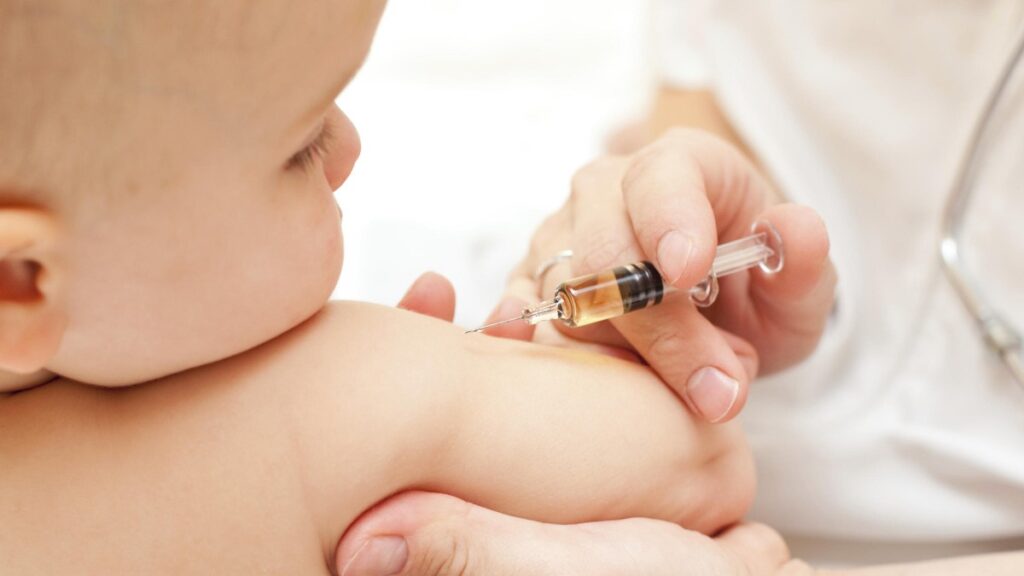
Depending on the vaccine, it may be given as an injection (needle) or as liquid drops in the mouth. After the vaccination, you’ll need to wait for about 15 minutes to make sure your child is feeling well before leaving the clinic.
Coping with Needle Discomfort
It’s normal for your child to cry or feel some pain when getting a needle. You can comfort them by holding them, talking gently, singing, or distracting them. Applying a cool cloth to the injection site may help relieve discomfort.
Side Effects to Look Out For
Most side effects are mild and temporary. These can include:
- Soreness, redness, or swelling at the injection site
- Low-grade fever
- Fussiness or tiredness
Less commonly, a small, hard lump may appear at the injection site. This usually goes away on its own.
Serious allergic reactions are very rare. If you notice unusual symptoms or have concerns about any reaction, contact your doctor right away.
Where to Get Your Child Vaccinated
You can have your child vaccinated through a local general practitioner (GP), child health clinic, or community health centre. If your child is born in a hospital, the first vaccines are often given there.
Check with your healthcare provider to find out where and when to get vaccinations in your area.
How Much Vaccinations Cost
Most childhood vaccines are free under national immunisation programs. However, some clinics or doctors may charge for administering the vaccine, so it’s helpful to ask about costs when booking the appointment.
Tracking Vaccinations with the Immunisation Register
The Immunisation Register keeps a record of all vaccinations given to your child. This register helps you know when the next dose is due and ensures your child stays on schedule.
You can view your child’s vaccination history through their personal health record or through your national health portal (such as an online government account).
Understanding the ‘No Jab, No Pay’ Policy
The ‘No jab, no pay’ policy means that certain government benefits (like family assistance) may not be available if your child is not up to date with routine vaccinations.
If your child has missed vaccinations, they may be able to follow a catch-up schedule and still qualify for benefits. Talk to your doctor or child health nurse about how to get back on track.
Tools And Assistance
Understanding and managing your child’s vaccination schedule can feel overwhelming, but there are practical tools and sources of support to help you stay informed and confident.
- Post-Vaccination Tips
Ask your doctor what signs to look out for after a vaccination. Keep your home stocked with items like baby paracetamol (if appropriate), cool packs, and plenty of fluids to help manage any mild side effects. - Personal Vaccination Records
Keep a physical or digital record of your child’s vaccinations. Most clinics provide a vaccination card or record book where each vaccine and date can be marked. Some families also use apps or calendars to set reminders for upcoming doses. - Vaccination Schedules
Request a printed or downloadable vaccination schedule from your doctor or healthcare provider. These schedules outline when each vaccine is due based on your child’s age and health needs. - Healthcare Guidance
Your general practitioner (GP), pediatrician, or child health nurse can guide you through the immunisation process. They can answer questions, help with catch-up plans if vaccines are missed, and advise if your child has special needs or health conditions. - Support for Nervous Children
Some clinics offer distraction toys, books, or comfort techniques during vaccinations. You can also bring a favourite toy or blanket, or use songs, videos, or gentle conversation to soothe your child during the appointment. - Interpreters and Language Help
If English is not your first language, many health providers can offer support through interpreters or translated materials. Don’t hesitate to ask for assistance to ensure you understand every step of the process. - Cultural Support Services
If you come from a culturally diverse background, you may be able to access community-specific support groups or health programs that provide tailored vaccination information in familiar, respectful ways. - Nappy Bag Checklist for Appointments
When heading to a vaccination appointment, consider packing essentials like nappies, wipes, a change of clothes, a bottle or snacks, and your child’s health record. These simple items can help make the visit more comfortable.












Please log in to leave a comment.