Highlights
- Impetigo is a common skin infection causing sores and blisters.
- It is caused by staphylococcus or streptococcus bacteria.
- Impetigo mainly affects young children and is contagious in places like schools.
- Diagnosis can be made by examining sores and testing for bacteria.
- Treatment usually involves antibiotics, in the form of cream, ointment, tablets, or syrup.
In This Article
- What is impetigo?
- What are the symptoms of impetigo?
- What causes impetigo?
- When should I see my doctor?
- How is impetigo diagnosed?
- How is impetigo treated?
- Can impetigo be prevented?
- Complications of impetigo
What is impetigo?
Impetigo is a skin infection that causes sores and blisters. It mostly affects children and is known as “school sores.”
Impetigo is contagious and can be dangerous for newborns. Children should stay home until 24 hours after starting antibiotics or until the sores dry.
What are the symptoms of impetigo?
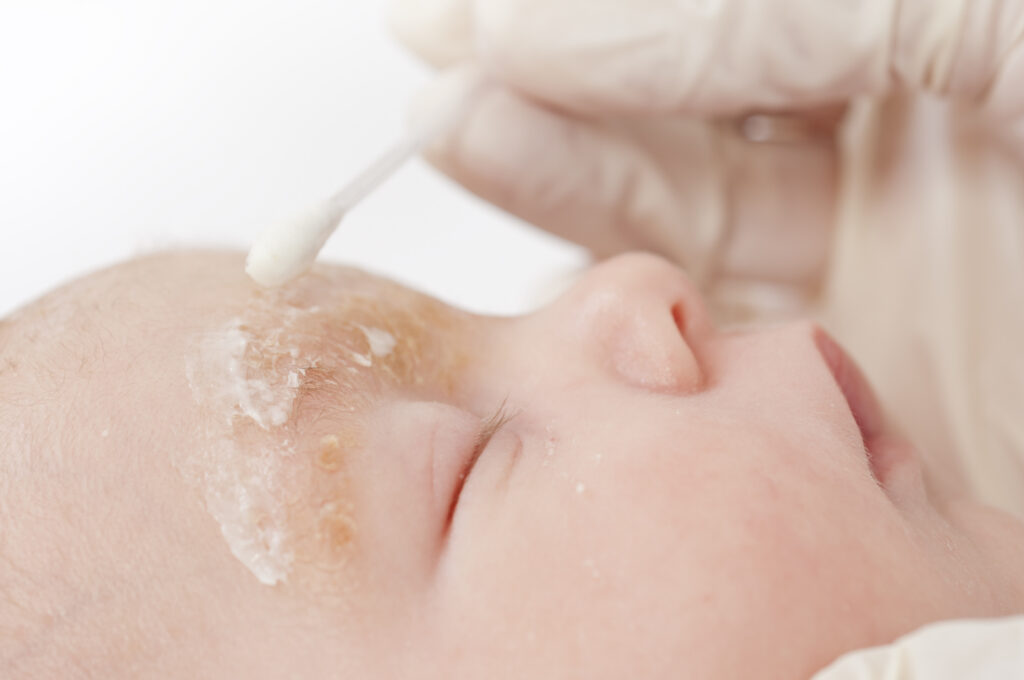
Impetigo causes skin sores that turn into blisters. These blisters may burst, leaving a brown crust. They can be itchy and large. Sometimes, they have a yellow crust and a red area underneath.
Small blisters may join together, forming larger ones. This is called bullous impetigo.
Sores appear 1 to 3 days after infection. They are contagious until dried or 24 hours after starting antibiotics. Fever, swollen lymph nodes, or feeling unwell can also occur.
What causes impetigo?
Impetigo is caused by staphylococcus or streptococcus bacteria. The bacteria enter broken skin due to conditions like:
- eczema
- scabies
- insect bites
- head lice
Impetigo is common among children, as it spreads easily in schools or daycare. It can affect adults living in crowded areas or those with weakened immune systems.
When should I see my doctor?
Visit your doctor if you or your child has symptoms of impetigo. Impetigo is not serious, but it may look like other skin conditions. Your doctor can confirm the diagnosis.
How is impetigo diagnosed?
Your doctor will examine the skin and sores to diagnose impetigo. They may also take a swab to test for bacteria.
How is impetigo treated?
Doctors usually prescribe antibiotics in the form of cream, ointment, tablets, or syrup. Complete the full course of treatment.
Other steps to manage impetigo:
- Wash sores with salty water 2 to 3 times a day. Pat dry and apply antibiotic cream.
- Cover sores with waterproof dressings to prevent spreading.
- Avoid scratching the sores, as it can worsen the infection.
- Practice good hand hygiene and trim nails short.
Can impetigo be prevented?
Most people are no longer contagious after 48 hours of treatment or once the sores have healed. Avoid school or work until you’re no longer contagious.
To reduce the risk of spreading impetigo:
- Don’t touch the sores.
- Wash your hands frequently.
- Keep children home until their sores are dry.
- Avoid sharing towels, clothes, or bath water.
Complications of impetigo
Complications are rare, but impetigo can spread to lymph nodes or deeper skin layers, causing lymphadenitis or cellulitis.
Tools and Assistance
For more information on impetigo, consult your healthcare provider.












Please log in to leave a comment.