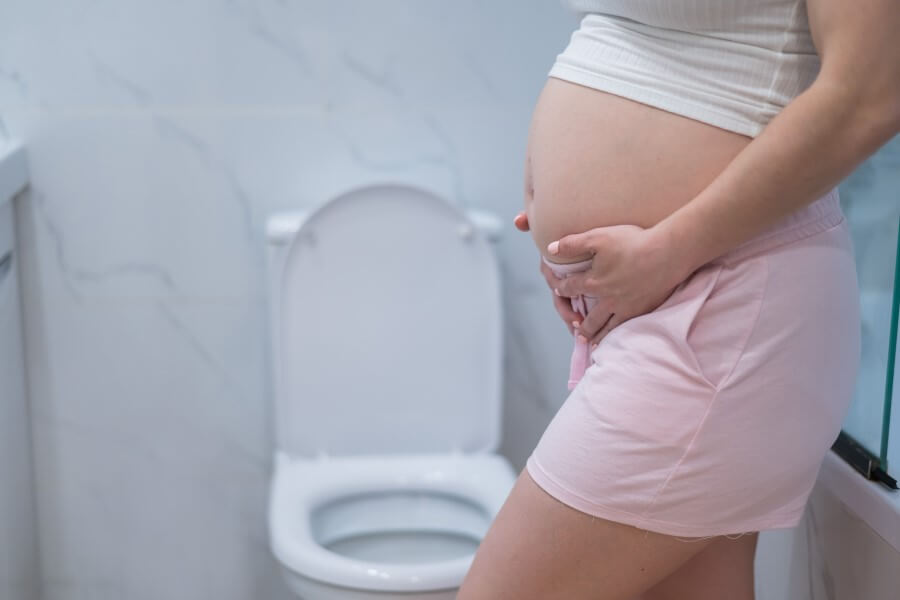
Highlights
- Incontinence refers to the involuntary leakage of urine, feces, or gas.
- Weak pelvic floor muscles can contribute to incontinence during pregnancy.
- Prevention through a healthy lifestyle and pelvic floor exercises is recommended.
- Incontinence may persist after childbirth but can often be managed or improved with proper care.
- Risk factors include constipation, obesity, smoking, and certain medical conditions.
In This Article
- What Is Incontinence?
- Causes of Incontinence During Pregnancy
- When Is Incontinence Most Likely During Pregnancy?
- Increased Risk if You Had Incontinence Before Pregnancy
- Managing Incontinence During Pregnancy
- Could Incontinence Indicate a Serious Issue?
- Incontinence After Childbirth
- Tools and Assistance
What Is Incontinence?
Incontinence refers to the loss of control over bladder or bowel functions. It can range from minor leaks to a complete inability to control urination or bowel movements.
Common signs of incontinence include:
- Leaking urine when coughing, sneezing, laughing, or exercising
- Difficulty controlling the passage of gas
- A strong, sudden urge to use the toilet
Causes of Incontinence During Pregnancy
Pregnancy increases the likelihood of experiencing incontinence due to the added strain on pelvic floor muscles. These muscles support the bladder, uterus, and bowel. When weakened, they provide less support, leading to:
- Urinary leakage
- Difficulty controlling bowel movements
- Loss of control over gas
A weak pelvic floor can also lead to sexual health concerns, such as reduced vaginal sensation.
When Is Incontinence Most Likely During Pregnancy?
Studies suggest that over half of pregnant individuals experience urinary incontinence, with the highest occurrence in the third trimester. As the baby grows, additional pressure is placed on the bladder and surrounding muscles, making leakage more likely.
If urinary incontinence occurs during pregnancy, it is likely to persist in the postpartum period as well.
Increased Risk if You Had Incontinence Before Pregnancy
A pre-existing weak pelvic floor increases the likelihood of incontinence continuing throughout pregnancy. Other risk factors include:
- Constipation, which strains the pelvic floor
- Obesity
- Smoking
- Limited mobility, making it harder to reach the toilet in time
- Neurological and musculoskeletal conditions, such as multiple sclerosis or arthritis
- Other health conditions, including diabetes, heart disease, and sleep apnea
Certain beverages can also aggravate incontinence, including:
- Caffeinated drinks
- Carbonated beverages
- Alcohol
- Juices
- Artificially sweetened drinks
Managing Incontinence During Pregnancy
Preventing incontinence is more effective than treating its symptoms. Key preventive measures include:
- Maintaining a balanced diet
- Engaging in regular physical activity
- Pelvic floor exercises can strengthen the muscles controlling the bladder, urethra, vagina, and anus. Consulting a healthcare professional, such as a physiotherapist, can ensure that these exercises are performed correctly.
Pelvic floor exercises can be done in different positions, including lying down, sitting, or standing. For optimal results, aim for 3 to 6 exercise sessions daily.
Additionally, incontinence pads or specialized underwear—either disposable or reusable—can help manage symptoms.
Could Incontinence Indicate a Serious Issue?
In some cases, incontinence may signal a prolapse, where weakened pelvic floor muscles allow the bladder or uterus to shift downward into the vagina. Symptoms of prolapse include:
- A noticeable bulge in the vagina
- A deep, aching sensation in the pelvic area
If you suspect a prolapse, consult a healthcare provider for evaluation and treatment options.
Incontinence After Childbirth
Most individuals regain normal pelvic floor function within 3 to 6 months after delivery. However, certain factors can increase the likelihood of prolonged bladder and bowel issues, such as:
- Having a first baby
- Giving birth to a large baby
- A prolonged second stage of labor
- A vaginal delivery requiring an episiotomy (stitches)
- A perineal tear requiring stitches
- An assisted birth using vacuum extraction or forceps
To aid recovery, medical professionals such as doctors, midwives, continence nurses, or physiotherapists can provide guidance on strengthening pelvic floor muscles post-pregnancy.
Tools and Assistance
- Pelvic Floor Exercises: Strengthening pelvic muscles through regular exercises can help manage incontinence. A physiotherapist can guide proper technique.
- Incontinence Pads/Underwear: Disposable or reusable pads and specialized underwear can manage symptoms and offer comfort.
- Medical Support: Doctors, midwives, or physiotherapists can provide advice on managing incontinence and recovery after childbirth.
- Lifestyle and Diet: Adjusting diet, fluid intake, and staying active can support pelvic floor health and reduce incontinence.
- Prolapse Evaluation: If prolapse is suspected, healthcare providers can assess and recommend appropriate treatments.
- Support Groups: Access to educational resources and support groups can provide helpful guidance and emotional support.
These tools can help manage incontinence during pregnancy and postpartum recovery.











Please log in to leave a comment.