Highlights
- In vitro fertilization (IVF) is a procedure that helps people conceive a child.
- During IVF, an egg is fertilized with sperm in a laboratory and then implanted into the uterus.
- IVF is used to treat infertility, prevent certain genetic conditions, and assist individuals or couples, regardless of gender or sexual orientation, in starting a family.
- IVF success rates vary, and a doctor can help you assess your chances of pregnancy.
- The procedure can be expensive, so it’s important to discuss the pros and cons of fertility treatment before starting.
In This Article
- IVF Process Overview
- IVF Procedure Steps
- Reasons to Use IVF
- Fertility Treatments Before IVF
- IVF Success Rates
- IVF for Single or LGBTQ+ Individuals
- IVF Costs
- IVF Duration
- IVF Risks
- Risks of an IVF Pregnancy
- Coping with the Emotional Stress of IVF
- Finding an IVF Doctor
- Questions for Your IVF Doctor
- Alternatives to IVF
- Tools and Assistance
IVF Process Overview
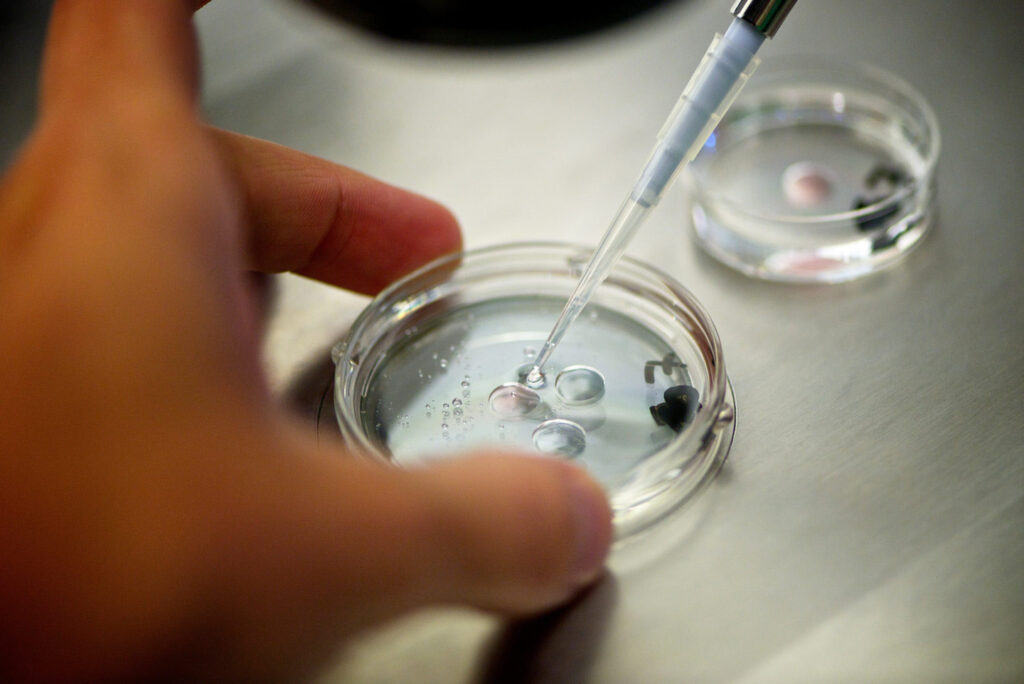
In vitro fertilization (IVF) is a series of medical procedures designed to help people conceive. It involves retrieving eggs from the ovaries, fertilizing them with sperm in a laboratory, and transferring the resulting embryo into the uterus.
If the embryo successfully implants, pregnancy occurs.
IVF Procedure Steps
IVF is a multi-step process that takes place over one menstrual cycle. Each step is essential for a successful outcome.
- Blood Test: On the first day of your menstrual cycle, you will have a blood test at the fertility clinic.
- Hormone Stimulation: On day 2 or 3, hormone therapy begins to stimulate the ovaries to produce multiple eggs.
- Trigger Shot: Once the eggs reach the right size, an injection of hormones is given to mature and release them.
- Egg Retrieval: About 34 to 36 hours after the trigger shot, a specialist retrieves the eggs using a thin needle inserted through the vaginal wall.
- Sperm Sample: If using a partner’s sperm, they will provide a semen sample on the day of egg retrieval. Donor sperm or frozen sperm can also be used.
- Fertilization: The eggs and sperm are combined in a lab and incubated overnight. Sometimes, intracytoplasmic sperm injection (ICSI) is needed, where a single sperm is injected directly into an egg.
- Embryo Transfer: About 3 to 5 days after fertilization, the best-quality embryo is transferred to the uterus. Additional good-quality embryos can be frozen for future use.
- Pregnancy Test: About two weeks after embryo transfer, a blood test is conducted to check for pregnancy.
Reasons to Use IVF
IVF is used to treat infertility and prevent the transmission of certain genetic disorders. It is also an option for single individuals and same-sex or gender-diverse couples who wish to have children.
You might consider IVF if you or your partner have:
- Low sperm count or low sperm motility
- Ovulation problems due to conditions like polycystic ovary syndrome (PCOS)
- Blocked or damaged fallopian tubes
- Endometriosis or fibroids
- Had sterilization procedures in the past
- A risk of passing on inherited genetic disorders
- Undergone cancer treatment that affected fertility
Some people use donor eggs or sperm if they are unable to conceive with their own reproductive cells.
Fertility Treatments Before IVF
For some people, IVF is the first-choice treatment, while others may try alternative fertility treatments before opting for IVF. These may include:
- Fertility medications
- Surgical procedures
- Artificial insemination
A doctor can help determine which approach is best for you.
IVF Success Rates
The success of IVF depends on several factors, including:
- Your age
- The age of your partner or donor
- The cause of infertility
Women under 35 have a higher chance of success, while for women over 40, success rates decline significantly. By age 44, the chances of conceiving and giving birth via IVF are about 1 in 100.
Some people need multiple IVF cycles to achieve pregnancy, while others may not conceive at all.
IVF for Single or LGBTQ+ Individuals
IVF is an option for single individuals and people in LGBTQ+ communities who wish to have children. Those who are not infertile but need assisted reproduction may require additional treatments, such as donor sperm, donor eggs, or surrogacy.
IVF Costs
IVF can be expensive and emotionally demanding. The financial costs vary, but each cycle may cost several thousand dollars.
Costs include:
- Medical consultations
- Medications
- Laboratory procedures
- Storage of embryos
- Surgical procedures
Many people also need to take time off work during treatment. It’s important to discuss costs with your fertility clinic and explore potential financial assistance options.
IVF Duration
IVF involves multiple steps and requires careful planning. Before starting, you will need medical evaluations such as blood tests, ultrasounds, and sperm analysis.
Each IVF cycle takes about 4 to 6 weeks. If the first cycle is not successful, you may need to wait before attempting another. Some people undergo multiple cycles before achieving pregnancy.
IVF Risks
IVF carries medical and emotional risks. The most common risk is that pregnancy may not occur, which can be distressing.
Other medical risks include:
- Ovarian hyperstimulation syndrome (OHSS), where the ovaries over-respond to hormone treatment
- Increased risk of multiple pregnancies if more than one embryo is transferred
- Side effects from fertility medications, such as mood swings and bloating
Risks of an IVF Pregnancy
All pregnancies carry some risks, but IVF pregnancies may have additional complications, including:
- Vaginal bleeding
- High blood pressure
- Premature birth
- Increased likelihood of cesarean section
- A slightly higher risk of congenital conditions
Your doctor can help assess any specific risks based on your individual health and medical history.
Coping with the Emotional Stress of IVF
IVF can be an emotional journey, especially if previous attempts to conceive have been unsuccessful. Hormonal medications may also affect mood and strain relationships.
Coping strategies include:
- Counseling before and during treatment
- Support from family, friends, or a therapist
- Joining fertility support groups
It’s important to acknowledge the emotional challenges and seek support when needed.
Finding an IVF Doctor
A doctor can refer you to a fertility specialist or IVF clinic. Some hospitals also offer fertility services in partnership with specialized clinics.
It’s crucial to choose a reputable clinic with experienced specialists.
Questions for Your IVF Doctor
Before starting IVF, it’s helpful to prepare a list of questions for your doctor, such as:
- What fertility treatments are available to me?
- What are the risks and benefits of each option?
- What are my chances of success with IVF based on my age and condition?
- What costs are involved, and what is covered by insurance?
- How many IVF cycles might I need?
Alternatives to IVF
IVF is a complex and costly process, and it’s not the right choice for everyone. Other options for building a family include:
- Adoption
- Foster parenting
- Exploring non-medical fertility solutions
These alternatives can be fulfilling and offer different paths to parenthood.
Tools and Assistance
If you’re considering IVF, here are some tools and assistance to help guide you through the process:
- Fertility Clinics: Research fertility clinics and specialists who are experienced in IVF treatments. Many clinics offer initial consultations.
- Fertility Medications: Your doctor can help you access fertility medications that might improve your chances of conception.
- Financial Assistance: Look into financial support options, grants, and insurance coverage for fertility treatments.
- Emotional Support: Consider joining a fertility support group or speaking with a counselor to help manage the emotional stress of IVF.
Need more information?
Breastfeeding and IVF | Australian Breastfeeding AssociationWondering if IVF treatment affects your baby or your supply? Does breastfeeding affect fertility?Read more on Australian Breastfeeding Association websiteA man’s guide to going through IVF | Healthy MaleIVF is one of the more widely known forms of assisted reproductive technology — used to overcome a range of fertility issues.Read more on Healthy Male websiteIVF can increase the rates of depression, anxiety and stressCOPE’s purpose is to prevent and improve the quality of life of those living with emotional and mental health problems that occur prior to and within the perinatal period.Read more on COPE – Centre of Perinatal Excellence websiteHow pathology helps IVF parents get pregnant | Know Pathology Know HealthcareFor IVF parents, pathology testing is vital from fertility tests before conception to ensuring a healthy pregnancyRead more on Know Pathology Know Healthcare websitePreserving fertilityNow many not be the right time for you to have a baby. Fertility preservation is available to keep your options open for a pregnancy in the future.Read more on Pregnancy, Birth & Baby websiteHow pregnancy happens – Body TalkFor a woman to become pregnant an egg must be fertilised by a spermRead more on Body Talk websiteAssisted Reproductive Technology – Miscarriage AustraliaIf you’ve experienced multiple miscarriages or have been unable to conceive, your doctor may refer you to a fertility specialist.Read more on Miscarriage Australia websiteInfertilityFind out what infertility is and what you can do if you are having problems falling pregnant. Fertility problems affect both males and females.Read more on Pregnancy, Birth & Baby websiteInfertility in men – Better Health ChannelA couple isn’t suspected of fertility problems until they have tried and failed to conceive for one year.Read more on Better Health Channel websiteSame-sex parentsMany Australian children live in rainbow families with same-sex parents. Find out more about becoming a same-sex family and the supports available.Read more on Pregnancy, Birth & Baby website










Please log in to leave a comment.