Highlights
- Having a baby is different for everyone.
- After the birth, you may feel elated, exhausted, emotionally drained, or all of them at once.
- Your tummy will take time to go back to its normal size.
- It’s important to give yourself time to recover.
In This Article
- Post-Birth Overview
- Duration in the Birth Room
- Changes in Your Body After Birth
- Preparing for Home
- Postpartum Recovery
- Key Points to Remember After Birth
Post-Birth Overview
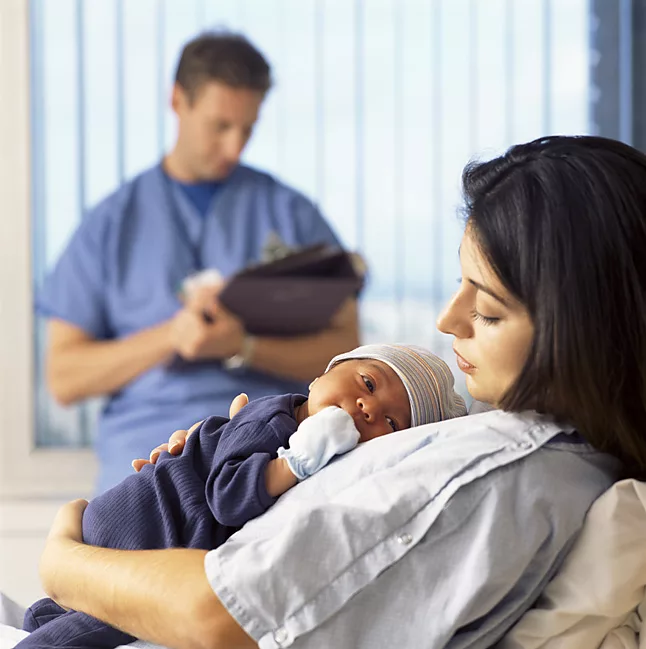
The birth of a baby is a unique experience for every parent. After the baby is born, a key part of the process is bonding with your newborn. Often, your baby will be placed on your chest for skin-to-skin contact, which helps establish a strong emotional connection between you and your baby.
After the birth, your healthcare provider will check:
- Your pulse and blood pressure
- How your uterus is contracting
- How you’re feeling overall
If you choose to breastfeed, your midwife or healthcare provider will assist you in getting started.
Duration in the Birth Room
If you’ve had a normal vaginal birth, you will likely stay in the birth room for a little while after the birth. During this time, you may have a meal and a shower before either moving to a postnatal ward or heading home.
If you’re staying in the hospital, it’s common for you and your baby to share a room. You might also share the room with other new mothers.
Changes in Your Body After Birth
How you feel after birth can vary greatly. You might experience a range of emotions—elation, exhaustion, or even emotional overload. These feelings are normal, as you’ve just gone through a life-changing event.
Bleeding from the Vagina
After childbirth, it’s normal to experience vaginal bleeding called lochia. The blood will be bright red and heavy for the first few days, similar to a heavy period.
If you pass large clots or notice anything unusual, contact your midwife for guidance.
Lochia can last up to 6 weeks, and it’s important to use maternity pads or period underwear for hygiene.
Avoid using tampons or menstrual cups as they could increase the risk of infection.
Your Tummy and After-Birth Pains
Your uterus will gradually shrink back to its normal size after birth, which can cause cramping. These after-birth pains can feel similar to period pain and are more noticeable if this is not your first child. These pains are usually stronger during breastfeeding because of the hormones released that help the uterus contract.
To alleviate the pain, try placing a warm pack on your tummy or take paracetamol about 30 minutes before breastfeeding.
Your Vulva and Vagina
After a vaginal birth, your vagina and vulva may feel tender or bruised for a couple of days. This is due to the trauma from childbirth. Ice packs and pain relief medications can help with discomfort.
Wearing firm, supportive underwear can reduce pain and discomfort. You may need to buy control briefs that are 2 sizes larger than your pre-pregnancy size for the first few weeks.
If you have stitches from a tear or episiotomy, they will dissolve on their own within 1 to 2 weeks. Be sure to wash the area gently when showering and pat dry carefully.
Your Breasts
In the first few days after birth, your breasts will produce colostrum, a thick, yellowish fluid that’s packed with nutrients for your newborn. You’ll only produce a small amount at first, but it’s enough to nourish your baby.
Your breastmilk will come in around 2 to 5 days after birth. During this time, your breasts may feel full and swollen.
Soreness in your nipples is common as you and your baby adjust to breastfeeding.
Preparing for Home
After a vaginal birth, if you had your baby in a hospital or birthing center, you may be able to go home 4 to 6 hours after delivery. A midwife or healthcare professional may visit you at home to provide postnatal care and breastfeeding advice.
If you had an assisted delivery (using forceps or ventouse) or a caesarean section, or if you or your baby are unwell, you may need to stay in the hospital for a longer period.
If you gave birth in a private hospital, you might be able to stay longer for additional support. You can ask your hospital staff for more information about your expected stay.
Postpartum Recovery
Giving birth can be a physically and emotionally exhausting experience. Recovery can take time, especially if the birth didn’t go as planned. It’s important to allow yourself time to heal and seek support when needed.
If you had a difficult birth or faced complications, it’s a good idea to speak with your healthcare provider while you’re still in the hospital. They can help you navigate your recovery.
Both you and your partner may experience emotional challenges. It’s important to recognize these feelings and reach out for support if necessary. Many organizations offer resources and peer support to help with post-birth recovery.
Key Points to Remember After Birth
- Bleeding (lochia) is normal after birth and can last up to 6 weeks.
- After-birth pains may occur as your uterus contracts back to its pre-pregnancy size.
- Vaginal and vulvar tenderness is common after a vaginal birth and can be managed with ice packs and supportive underwear.
- Breastfeeding might cause some nipple tenderness, but this should ease as you both get used to it.
- Drink plenty of fluids to ease any discomfort when urinating and prevent constipation.
- You may be able to go home within hours after a vaginal birth or stay longer if there were complications.
- It’s important to give yourself time to heal physically and emotionally. Reach out for support if needed.
Childbirth is a significant event, and your body will go through many changes during the recovery process. Understanding what to expect and how to care for yourself can make this period easier to navigate.
Tools and Assistance
- Breastfeeding Support
Access lactation consultants or local support groups for guidance on breastfeeding. - Postpartum Care
Follow up with healthcare providers and midwives for recovery and managing after-birth symptoms like bleeding and soreness. - Mental Health Support
Seek mental health professionals or support groups if experiencing postpartum emotional challenges. - Physical Recovery Aids
Use maternity pads, ice packs, and supportive underwear to ease physical discomfort after birth. - Baby Care Assistance
Consider attending baby care classes or consulting experts on newborn care. - Financial Support
Look into maternity leave and child benefits to ease financial pressures during recovery.








Please log in to leave a comment.