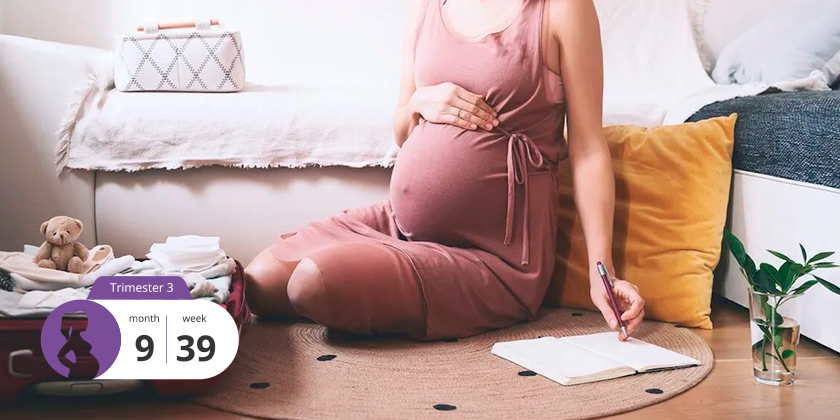
Highlights
- Approaching labor: uterus descends, and contractions increase.
- Fetus growth: 45–48 cm and 2,550–3,250 g by weeks 35–39.
- Maternal changes: abdominal enlargement, mood fluctuations, shortness of breath, frequent urination.
- Key preparations: selecting a maternity hospital, preparing documents, packing a hospital bag.
- Nutrition: balanced intake of complex carbohydrates, healthy fats, and moderate protein.
- Watch for warning signs: strong contractions, bleeding, leaking amniotic fluid, reduced fetal movement.
In This Article
- Maternal physical and emotional changes
- Weeks included (35–39 weeks)
- Fetal growth and developmental milestones
- Nutrition recommendations for late pregnancy
- Preparing for labor and hospital admission
- Warning signs and possible complications
- Sexual activity considerations
- Tools and support for expectant parents
Overview
The ninth month marks the final stage of pregnancy. As labor approaches, physical activity decreases due to a large abdomen. Emotional changes are common: excitement about meeting the baby alternates with anxiety about childbirth and newborn care. Prioritize rest, proper nutrition, and gentle activity to maintain comfort during these final weeks.
Maternal Changes
- Uterus and contractions: 1–2 weeks before birth, signs of imminent labor appear. The uterus descends between the navel and the sternum. Braxton Hicks contractions increase; true labor is indicated by strong, frequent contractions lasting over 24 hours.
- Cervix: Softens and begins preparing for labor. Mucus discharge with blood streaks may indicate the mucus plug is coming out.
- Physical symptoms: Shortness of breath decreases slightly as the uterus descends, but frequent urination continues. Lower abdominal discomfort is common.
- Documents: Keep essential documents ready—medical card, ID, insurance, maternity certificate—to avoid complications if labor starts unexpectedly.
Weeks Included
- Week 35 → Week 39
Fetal Development
- Week 35: ~45 cm, 2,550 g
- Week 39: ~48 cm, 3,250 g
- By week 40, the baby is fully developed, ready to breathe independently and adapt to life outside the womb. Skin is pinkish, vernix gradually disappears, fine hair on the body is reduced, nails reach the fingertips, and cartilage in the nose and ears is firm. Genital organs are fully formed.
Nutrition
- Carbohydrates remain important for energy during labor; focus on complex carbs (whole grains, vegetables, porridge). Limit simple sugars and sweets.
- Avoid excessive fats and processed foods; opt for lean meats, fish, dairy, and healthy fats from avocado, nuts, and plant oils.
- Protein intake is moderate; the baby is already fully formed. Choose lean sources without overeating.
- Continue small, frequent meals to prevent discomfort and heartburn.
Abdominal Changes
- The abdomen appears large, as the baby reaches near-term size.
- The linea nigra (dark line from breast to navel) may be pronounced or faint, depending on individual hormonal influences.
- The belly may sag slightly as the baby descends in preparation for birth. The navel may protrude or expand but typically returns to normal postpartum.
Preparing for Labor
- Choose a maternity hospital and attending physician.
- Pack a hospital bag with slippers, socks, postpartum pads, mesh underwear, breast pads, and newborn essentials.
- Stay calm and focus on mental preparation: prenatal exercises, breathing techniques, and relaxation.
- Nesting instincts are common: organize the baby’s room, prepare clothing, and set up furniture.
Warning Signs and Possible Complications
Seek medical attention if you notice:
- Heavy vaginal bleeding
- Strong, frequent contractions
- Leakage of amniotic fluid
- Reduced or absent fetal movement
- Signs of late pregnancy toxicosis (gestosis): swelling, protein in urine, high blood pressure
Some women require early hospital admission, particularly if there is a high-risk pregnancy (maternal age >35, prior complications, multiple pregnancies, breech position, or uterine scar).
Sexual Activity
- Many couples avoid sex during the ninth month due to concerns about triggering labor.
- If no contraindications exist and both partners desire intimacy, positions should avoid pressure on the abdomen. Lying on the back is generally uncomfortable. Always consult your doctor before engaging in sexual activity.
Tools and Assistance
- Pregnancy trackers: monitor fetal movement, contractions, and maternal well-being.
- Prenatal exercises: gentle stretching, breathing exercises, and pelvic floor training.
- Medical monitoring: obstetrician, midwife, or hospital support.
- Community support: prenatal classes, online forums, and peer groups for sharing experiences and advice.
- Hospital preparedness: pre-packed bag, emergency contacts, and essential documents ready at hand.
Summary:
The ninth month is the final stretch of pregnancy. Focusing on rest, proper nutrition, prenatal exercises, and preparing for birth ensures both mother and baby are ready for a safe delivery. Awareness of warning signs and staying connected to medical professionals helps manage potential complications effectively.










es