Highlights
- There are many non-medical options you can use to help relieve pain and discomfort during labour.
- Some pain relief options should only be given by qualified health professionals and are not suitable for everyone.
- Ask your hospital or birth centre about which pain relief options they can provide.
In This Article
- Understanding Non-Medical Pain Relief
- Staying Active During Labour
- The Importance of Support
- Using Massage and Touch
- Relief Through Warmth and Water
- Practicing Relaxation Techniques
- Using Aromatherapy Safely
- Exploring Acupuncture and Acupressure
- Pain Management with TENS
- Sterile Water Injections Explained
- Tools And Assistance
Understanding Non-Medical Pain Relief
There are various methods available to help manage pain during labor without the use of medications or medical procedures. These techniques focus on physical, emotional, and mental support to ease discomfort and help you cope with the experience of childbirth.
Pain relief methods include:
- Being active during labor
- Having a support person
- Massage and touch
- Water and warmth
- Relaxation techniques
Other potential methods include:
- Aromatherapy
- Acupuncture and acupressure
- TENS (transcutaneous electrical nerve stimulation)
- Sterile water injections
Staying Active During Labour
An active birth involves moving your body into different positions throughout labor to help manage pain. Staying active is one of the most effective ways to reduce labor pain and increase your confidence. Active birth may include:
- Moving around freely
- Changing positions as needed
- Rocking your pelvis
- Using a birth ball
Being active during labor helps with comfort and relaxation and allows gravity to assist in moving your baby down into the pelvis, which can contribute to a smoother labor process.
The Importance of Support
Having a support person with you during labor can make a significant difference in how you manage pain. This person can be anyone who provides emotional, physical, and mental support throughout the process. The support person may include:
- Your partner
- A close friend or family member
- A paid professional, such as a doula
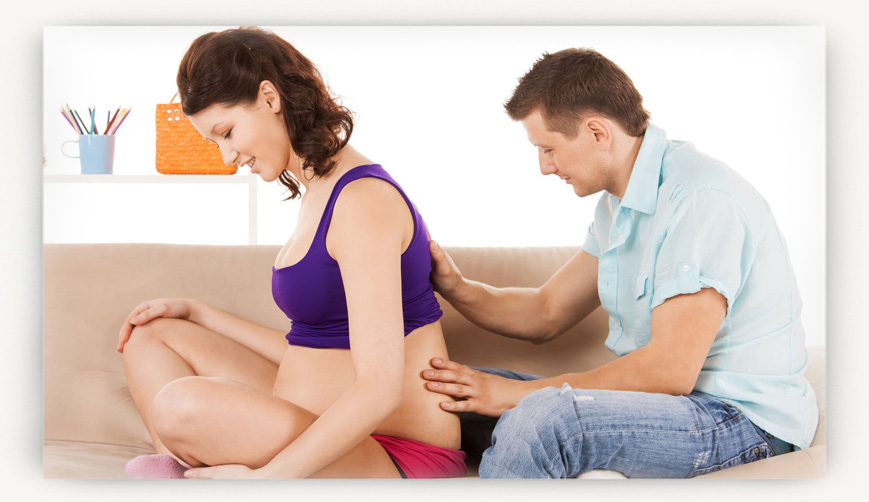
Multiple support people may also be chosen to provide various forms of support. Your support person can assist with non-medical pain relief methods, such as massage, and provide reassurance and encouragement to help you stay calm and focused.
Using Massage and Touch
Massage and touch can be beneficial for reducing pain during labor. This method helps to alleviate discomfort by:
- Distracting you from the pain
- Reducing muscle tension
- Lowering anxiety levels
Massage during labor can be soothing at times but may also feel uncomfortable at other times. It’s a good idea to discuss your preferences with your support person before labor so they know when and how to help with massage.
Relief Through Warmth and Water
Using hot and cold packs can help with pain relief during labor. Many hospitals and birthing centers have facilities for you to use water for pain relief, including:
- Warm baths
- Showers
Warm baths or showers can be relaxing and offer relief by:
- Easing muscle tension
- Reducing pain from contractions
- Helping with pelvic pressure
Your midwife will continue to monitor you while you’re in the bath, and it’s important to note that warm baths and showers may not be suitable for everyone during labor. Using water for pain relief is different from a water birth, which is a different birth process that involves delivering the baby in water.
Practicing Relaxation Techniques
Relaxation techniques are effective in helping you manage pain during labor. Some methods you can use to relax include:
- Listening to music
- Practicing yoga
- Focusing on breathing exercises
By focusing on relaxation, you can reduce your stress and anxiety, which in turn helps to manage pain.
Using Aromatherapy Safely
Aromatherapy is another method that can assist with reducing pain and anxiety during labor. Certain essential oils may have a calming effect and help to lessen the intensity of pain. Aromatherapy can be especially helpful for creating a soothing environment during labor. It is important to:
- Ensure that you use aromatherapy only under the guidance of a qualified practitioner
- Check with your healthcare provider or birthing center to make sure it’s an acceptable method for you
Exploring Acupuncture and Acupressure
Acupuncture and acupressure may also help reduce pain during labor. While the effectiveness of these methods is still being studied, some people find them helpful. Both techniques involve stimulating certain points on the body to help relieve pain and promote relaxation.
- Acupuncture requires a trained practitioner to insert very fine needles into specific points on the body.
- Acupressure involves applying pressure to specific points on the body, often through massage.
While more research is needed on the effectiveness of these treatments, some women find them useful for managing labor pain.
Pain Management with TENS
TENS is a technique that uses small electrical currents passed through electrodes on the skin. The TENS machine is portable and powered by batteries, making it easy to use during labor. While the exact way TENS works is not fully understood, it is believed to relieve pain in several ways:
- It may block pain signals from reaching the brain by stimulating different nerves in the spinal cord.
- It might trigger the body to release endorphins, which are natural pain-relieving chemicals.
Additionally, TENS provides:
- A sense of control over your pain management
- A distraction from the pain
Although there isn’t a large body of evidence proving that TENS is effective for everyone, many people find it helpful for pain relief during labor.
Sterile Water Injections Explained
Sterile water injections can be used to alleviate lower back pain during labor. A small amount of sterile water is injected just under the skin in the lower back. This method may provide pain relief for up to 90 minutes. While it’s not fully clear how effective this treatment is for every woman, it is often a viable option for women who are experiencing severe back pain during labor.
Sterile water injections are generally safe and have minimal side effects, but they may cause some stinging when administered. However, there are no known risks to you or your baby from this method. Not all hospitals or birthing centers offer sterile water injections, so it’s important to discuss this option with your healthcare provider beforehand.
Tools And Assistance
If you’re preparing for labor and considering non-medical pain relief methods, there are many tools and forms of assistance available to support your choices. These resources can help you better understand your options, plan ahead, and feel more confident in managing labor pain naturally.
Here are some tools and types of support you may find helpful:
- Birth Classes: Antenatal or childbirth education classes often include information on non-medical pain relief techniques, such as breathing, movement, massage, and mental strategies. These classes can also help prepare your partner or support person to assist you effectively.
- Pain Management Plans: Creating a written plan ahead of time can help communicate your preferences with your healthcare team. This plan may include preferred positions, comfort tools, and the non-medical techniques you’d like to try.
- Support Networks: Talking with other parents or joining pregnancy groups can help you learn from others’ experiences and get emotional support during your preparation.
- Doulas and Birth Coaches: These trained professionals can provide continuous, one-on-one support during labor, often using non-medical pain relief techniques to help manage discomfort. Doulas are especially helpful for emotional encouragement and physical assistance.
- Comfort Tools: Items such as birthing balls, heat packs, essential oils (if cleared for use), and TENS machines can be prepared in advance and packed in your hospital bag or used at home during early labor.
- Relaxation Resources: Guided meditations, breathing apps, or playlists with calming music can be useful tools to promote relaxation and reduce anxiety throughout labor.
- Questions for Healthcare Providers: Before labor begins, it can be useful to speak with your midwife, doctor, or birthing center staff about what non-medical pain relief methods they offer, and whether you can bring your own tools or support people.
The key to successful non-medical pain relief is preparation, communication, and having the right support around you. Make sure everyone on your birth team is aware of your preferences and comfortable supporting you with the techniques you’ve chosen.












Please log in to leave a comment.