Highlights
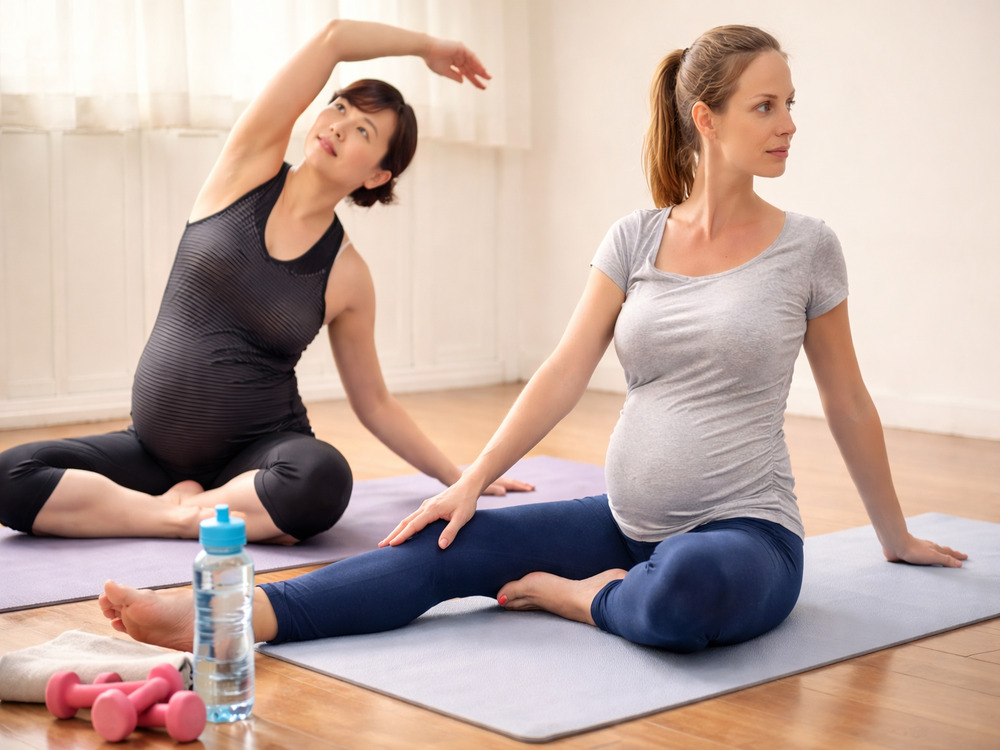
- Engaging in sports and physical activities during pregnancy can have significant benefits for both you and your baby.
- However, it is important to understand which sports are safe to engage in and how your body will change throughout pregnancy.
- By making informed decisions, you can ensure the safety of both you and your baby while exercising.
In This Article:
- Antenatal Care and Sport
- Benefits of Exercise During Pregnancy
- Recommended Types of Exercise
- Sport and Your Level of Fitness
- Risks of Playing Sport While Pregnant
- Medical Conditions That May Affect Your Ability to Exercise
- Warning Signs to Watch For During Exercise
- Sports to Avoid During Pregnancy
- Tools and Assistance
Antenatal Care and Sport
Once your pregnancy is confirmed, it is important to see a doctor or midwife as soon as possible. They will help plan the necessary appointments and medical care throughout your pregnancy. These visits are known as antenatal appointments. Regular check-ups will help ensure your overall health and provide an opportunity to discuss safe sports and physical activities during pregnancy.
Antenatal care is designed to support both your health and your baby’s development. Regular check-ups allow healthcare providers to monitor progress, address concerns, and provide essential guidance on pregnancy, birth, and postpartum care.
Benefits of Exercise During Pregnancy
Exercising while pregnant can provide numerous benefits, including:
- Maintaining fitness: Keeping active during pregnancy helps improve physical strength and endurance, which can aid in labor and recovery.
- Preventing excessive weight gain: Regular exercise can help you maintain a healthy weight throughout your pregnancy.
- Improving mental well-being: Physical activity is known to boost mood, reduce stress, and help manage the emotional ups and downs of pregnancy.
In addition to these benefits, staying active during pregnancy can reduce the risk of complications such as gestational diabetes and preeclampsia. It may also help prevent conditions like incontinence and improve overall physical health.
Recommended Types of Exercise
During pregnancy, it is recommended that you engage in exercises that are gentle on your body. These activities should support your overall well-being without posing unnecessary risks.
- Strengthening and pelvic floor exercises: These exercises help support the muscles involved in labor and delivery, and they can help prevent complications later on.
- Medium-intensity aerobic exercises such as brisk walking, cycling, and swimming.
- Low-risk, non-contact, or limited-contact activities: These activities support your weight, do not involve sudden shifts in position, have a limited risk of falls, and allow for exercise at low or moderate intensity. These activities are specifically designed for pregnant women.
- Swimming and water-based activities, such as aqua-natal classes, are highly recommended, as they support your weight while providing an excellent full-body workout. However, be mindful to avoid heated pools and spas to prevent overheating.
Additionally, gentle forms of exercise such as yoga and Pilates are also beneficial during pregnancy. These activities focus on flexibility, breathing, and muscle strength, all of which are helpful in managing pregnancy-related discomfort.
Sport and Your Level of Fitness
How you approach exercise during pregnancy will depend on your current fitness level. Regardless of your activity history, it’s always important to consult your doctor or healthcare provider before beginning any exercise regimen during pregnancy.
If You Are Not Currently Active
If you’re not accustomed to exercise, you can start slowly and gradually increase your activity level. Begin with lighter activities such as walking and aim for 15 to 20 minutes per session, eventually building up to 30 minutes of moderate-intensity exercise.
If You Are Already Active
If you’re already active and your pregnancy is uncomplicated, you can usually continue your regular exercise routine. However, avoid sports that may pose a risk to your health or that of your baby. While you may continue exercising, it’s important to avoid pushing yourself beyond your usual intensity.
Make sure to:
- Stay comfortable during exercise.
- Warm up before starting physical activity.
- Cool down afterward to prevent injury.
Risks of Playing Sport While Pregnant
Although most forms of exercise are safe and beneficial during pregnancy, certain activities can pose risks. Your body undergoes various changes throughout pregnancy that may increase your vulnerability to injury. As your pregnancy progresses, you may need to adjust your exercise routine.
First Trimester (1 to 12 Weeks)
During the first trimester, it’s essential to avoid overheating, as this can be harmful to both you and your baby. To prevent overheating during exercise:
- Avoid exercising in hot or humid conditions.
- Wear loose, comfortable clothing.
- Drink plenty of water throughout your workout.
Second and Third Trimesters (13 to 40 Weeks)
As your baby grows, they become less protected by the pelvis, making high-impact sports more risky. To reduce the chances of injury, avoid activities that involve any potential impact to your abdomen.
Additionally, as your center of gravity shifts, the risk of falling increases. If you feel unsteady or uncomfortable, it’s important to stop and rest.
After the 16th week, avoid exercises that require lying flat on your back. The weight of your baby in this position can impede blood flow, potentially causing dizziness or discomfort.
Your body also becomes more flexible during pregnancy as your ligaments loosen, which increases the risk of injury during activities that involve heavy lifting, sudden movements, or quick changes in direction. Avoid high-impact sports like tennis or squash.
Because blood pressure can decrease during pregnancy, make sure to move slowly and deliberately, especially when transitioning from a sitting or lying position to standing, to avoid dizziness.
Medical Conditions That May Affect Your Ability to Exercise
If you have any preexisting medical conditions, your healthcare provider should discuss how these might affect your ability to participate in sport. Conditions that may require adjustments to your physical activity include:
- Heart or lung problems
- Poorly controlled diabetes
- Being underweight or obese
- Pregnancy complications (current or previous)
- Anemia or other blood-related issues
- Multiple pregnancies (twins, triplets, etc.)
Warning Signs to Watch For During Exercise
During exercise, stop and consult your doctor immediately if you experience:
- Chest pain or discomfort
- Shortness of breath that’s unusual
- Decreased fetal movement
- Abdominal pain or contractions
- Vaginal bleeding or leakage of fluid
Also, seek medical attention if:
- You experience sudden swelling in your hands, ankles, or face
- You have pain or swelling in your calves
- You feel muscle weakness or fatigue
- You feel lightheaded or faint
Sports to Avoid During Pregnancy
To ensure both your safety and your baby’s, avoid sports that:
- Require high levels of exertion or may lead to overheating
- Have a high risk of falling
- Pose a risk of impact to your abdomen
- Include excessive jumping or bouncing
- Involve diving or high-altitude activities
- Require lifting heavy weights
- Include quick movements or changes in direction
Always inform your healthcare provider about any sport or physical activity you are planning to participate in, so they can provide personalized advice for your specific situation.
Tools and Assistance
For further guidance on physical activity during pregnancy, consult relevant health resources and speak to your:
- Doctor: Your primary care provider will give you personalized advice based on your health and pregnancy history.
- Midwife: A midwife can offer specific guidance on exercise during pregnancy, especially if you plan to give birth in a non-hospital setting.
- Obstetrician: If you have a high-risk pregnancy, your obstetrician will work with you to ensure your exercise routine is safe and beneficial.
- Physiotherapist: A physiotherapist can help with exercises aimed at maintaining your posture, flexibility, and strength during pregnancy, as well as provide tailored rehabilitation support if needed.
If you’re looking to safely return to exercise after pregnancy, discuss your options with your healthcare provider to make sure you’re ready and that your body is prepared.










Please log in to leave a comment.