Highlights
- Unless there is a medical reason, you can labour and birth in a position that makes you feel comfortable.
- Moving around during labour can help you manage labour pain.
- Labouring and birthing in an upright position can have health benefits for both you and your baby.
- Some types of epidurals, continuous fetal monitoring, or having an episiotomy may limit your positioning for labour and birth.
In This Article
- What is the optimal position for labour and birth?
- What positions are beneficial for stage 1 of labour?
- What positions are beneficial for stage 2 of labour?
- What factors might limit my movement during labour and birth?
- How can I practise different positions for labour and birth?
- Tools and Assistance
What is the Optimal Position for Labour and Birth?
There is no single best position for labour and birth. Different people find different positions more comfortable. Unless there is a medical reason, you can choose the birth position that feels best for you.
You may naturally find positions that feel comfortable during labour. Moving into different positions can help you feel more in control, reduce pain, and make birth easier. Many people find that following their instincts about positioning helps them manage discomfort more effectively.
Practising different labour positions before birth can be helpful. If you attend a prenatal class, you may learn about common positions that can provide comfort and support during labour.
It was once common for people to give birth lying on their backs, but research suggests that being in an upright position can provide several benefits for both you and your baby.
What Positions Are Beneficial for Stage 1 of Labour?
Early Labour
During the first stage of labour, the body prepares for birth. The cervix begins to thin out and dilate to around 4–6 cm.
At this stage, you may still be at home. Resting can help conserve energy. Some comfortable positions include:
- Lying on your side
- Sitting with your feet up or in the bath
- Walking around
- Standing upright or bent over in the shower while rocking or swaying
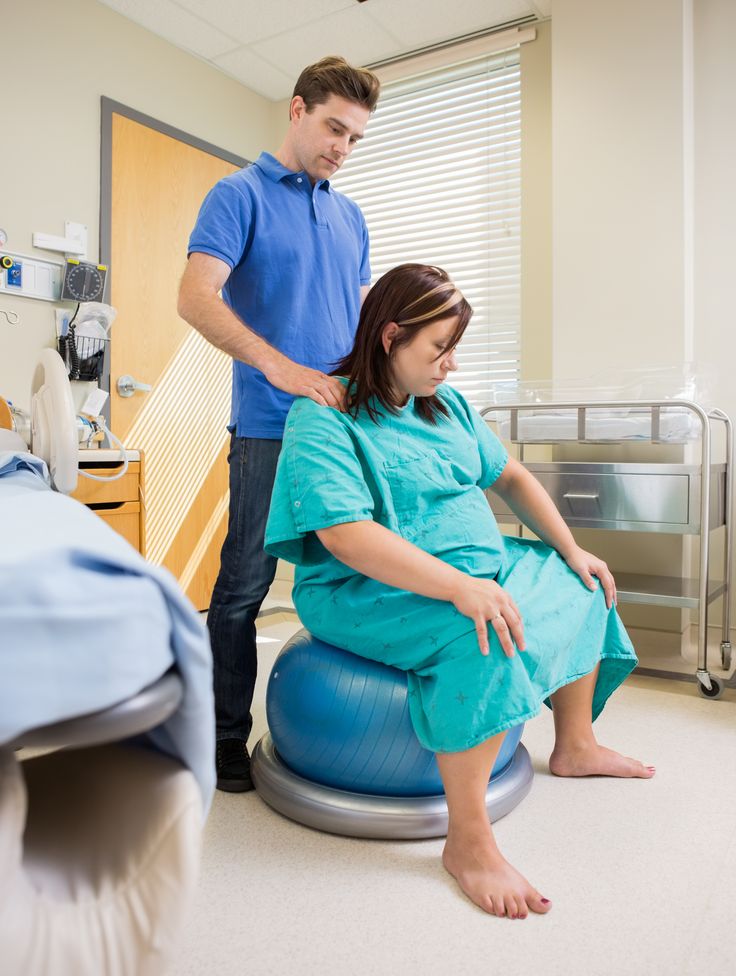
Being upright, kneeling, squatting, or using a birth ball can also help manage labour pains.
Lying flat on your back is generally not recommended during the first stage of labour. It can reduce blood supply to the baby and may lead to a longer labour.
Changing positions frequently can help prevent muscle fatigue and discomfort. Many people find themselves naturally swaying, rocking, or bending forward, sometimes called the “dance of labour.” These movements can reduce pressure on the pelvis and encourage the baby to move into an optimal position.
Active Labour
As labour progresses, the cervix dilates from 4–6 cm to 10 cm. Contractions become stronger and more frequent.
Listening to your body and choosing positions that feel comfortable can help you manage pain effectively. Your healthcare team may also provide suggestions to guide you.
Benefits of upright positions during active labour:
- Less likely to require an epidural or a caesarean section
- May shorten the first stage of labour
- Can reduce pain levels
- Helps the baby’s head move down into the pelvis
Examples of upright positions:
- Sitting – In a bath, on a chair, or on a bed while leaning forward or backward. Rocking in a chair or on the edge of a bed may also help.
- Standing, swaying, or walking – Holding onto a support person, using a chair, or taking slow steps can help. Some people lunge with one foot on a chair or footstool.
- Kneeling – On the floor, in a bath, or on hands and knees while using a chair or birthing ball for support.
- Squatting – Using a birthing stool, ball, or squat bar.
Your birth partner can assist with massage, breathing techniques, and support while you try different positions.
What Positions Are Beneficial for Stage 2 of Labour?
If you have not had an epidural, you can choose any position that feels comfortable for you during the second stage of labour.
If you have had an epidural, movement may be limited. However, lying on your side may still offer benefits compared to lying flat on your back.
The second stage of labour begins when the cervix is fully dilated. At this point, you will begin pushing during contractions to help your baby move down the birth canal.
Upright positions for the second stage of labour include:
- Kneeling – On the bed or floor, supported by pillows or your birth partner, sometimes with one knee raised.
- Squatting – Holding onto a support person or using a bar for stability.
- Sitting – With legs apart while leaning forward on a chair or bed.
Benefits of an upright position during the second stage:
- Improves blood and oxygen flow to the baby
- Helps the uterus contract more effectively
- Encourages the baby to move into the correct position
- Opens the pelvis, making it easier to push
If you are in bed, you can still adopt different positions such as kneeling, going on all fours, sitting, or semi-lying down. Lying on your side with your top leg bent can also help.
What Factors Might Limit My Movement During Labour and Birth?
There are certain situations where movement during labour may be more restricted:
- Epidural – This may cause numbness in the legs, requiring you to stay in bed. Some hospitals offer “mobile epidurals” that allow limited movement.
- Continuous fetal monitoring – Some monitoring systems may limit movement, though wireless monitors may be available.
- Assisted delivery – If forceps or a ventouse (vacuum) are needed, lying on your back is usually required. A vaginal examination or an episiotomy also requires lying down.
How Can I Practise Different Positions for Labour and Birth?
Practising labour positions before giving birth can help you feel more prepared. You can do this by:
- Practising at home with a birth partner to find which positions feel most comfortable.
- Attending prenatal classes to learn about positioning and movement.
- Watching educational videos or reading materials about different labour positions.
Tools and Assistance
Tools for Managing Labour and Birth Positions:
- Birth Ball: A birth ball can help with mobility during labour. It allows you to sit comfortably while gently rocking or swaying. This is particularly helpful during the first and second stages of labour.
- Birth Stool: A birth stool is designed to assist with an upright birthing position. It can provide extra support and comfort while squatting or sitting during the second stage of labour.
- Support Person: A supportive birth partner can help you with breathing techniques, massaging, or holding your position. They can also provide emotional support during labour.
- Doula: A professional birth assistant (doula) can provide guidance, massage, and support during labour, helping you manage pain and emotions effectively.
- TENS Machine: TENS (Transcutaneous Electrical Nerve Stimulation) is a device that uses mild electrical impulses to help manage pain. It can be used during labour to relieve lower back pain or muscle tension.
- Water: Warm baths or showers during labour can be relaxing and help reduce pain. If available, using a birthing pool may offer additional support during both labour and birth.
- Massage: Various forms of massage (gentle touch, deep tissue) can help reduce tension and pain during labour. Ask your birth partner or doula to assist with this.
- Acupressure: Some women find acupressure helpful for pain relief during labour. Applying pressure to certain points on the body can alleviate discomfort and anxiety.
Assistance from Healthcare Professionals:
- Midwives: A midwife will provide guidance on positions, breathing techniques, and support throughout your labour. They can help monitor your progress and ensure you and your baby’s health is prioritized.
- Obstetricians: If needed, an obstetrician will assist with more medical interventions during labour, but they can also offer advice on positioning and pain management if you are not in need of a medical procedure.
If you have concerns or need more detailed guidance on positioning, pain management, or any other aspect of labour, your healthcare provider is your key source of support. Speaking with them early about your preferences can help ensure a smoother and more informed birth experience.











Please log in to leave a comment.