Highlights
- By week 11, early pregnancy symptoms such as nausea and vomiting begin to subside, and appetite improves.
- Emotional stability increases as mood swings and irritability lessen.
- Physical changes: enlargement of the uterus and breasts, darkening of the areola, and gradual abdominal growth.
- Possible discomforts: mild abdominal pain, leg cramps, backache, hemorrhoids, and fatigue.
- The risk of miscarriage decreases, but bleeding at this stage requires urgent medical evaluation.
- Common cold and mild fever may occur; self-medication should be avoided.
- First-trimester screening (11–13 weeks) includes ultrasound and biochemical tests to assess fetal health.
- Physical activity, balanced nutrition, and professional monitoring remain essential.
In This Article
- General Well-being at 11 Weeks
- Physical and Emotional Changes
- Possible Complications and Discomforts
- Vaginal Discharge and Bleeding Risks
- Twin Pregnancies and Additional Considerations
- Illness, Immunity, and Fever Management
- Physical Activity and Sexual Health
- Medical Tests and First-Trimester Screening
- Ultrasound Findings at Week 11
- Nutrition and Lifestyle Recommendations
- Tools and Assistance
General Well-being at 11 Weeks
The 11th week marks a transition from the first to the second trimester, often described as one of the most comfortable stages of pregnancy. Early signs of morning sickness typically decline, while energy levels begin to stabilize. Fatigue and drowsiness may still persist due to hormonal fluctuations and the rapid development of the fetus.
Physical and Emotional Changes
- Breast changes: Enlargement, tenderness, and darkening of the areola under hormonal influence.
- Uterus growth: The uterus expands several times in size since conception, moving higher into the abdomen. Pressure on the bladder decreases, reducing frequent urination.
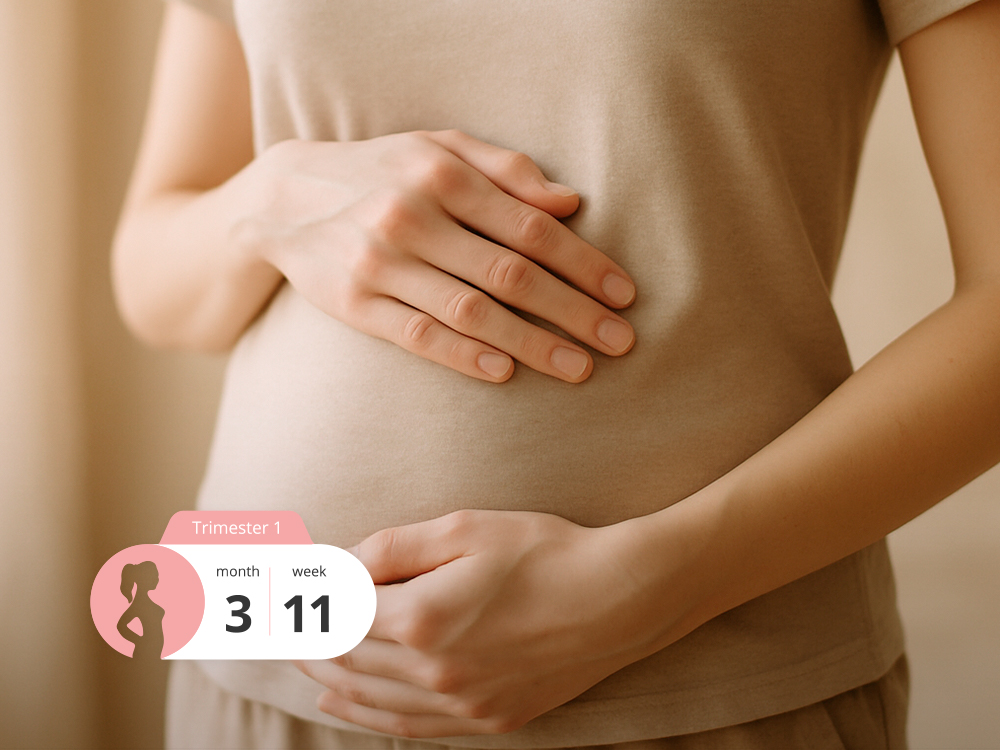
- Abdominal changes: The abdomen may begin to enlarge, requiring looser clothing.
- Emotional stability: Irritability and mood swings become less intense, replaced by greater calmness.
Possible Complications and Discomforts
- Abdominal or back pain: Often linked to uterine tone and ligament stretching. Mild discomfort is common, but severe or frequent pain may indicate a miscarriage risk.
- Leg cramps and swelling: Common during pregnancy, sometimes caused by calcium deficiency or circulation changes.
- Hemorrhoids: Triggered by constipation and reduced physical activity.
- Headaches, dizziness, and fatigue may continue but typically decrease in severity.
Illness, Immunity, and Fever Management
- Colds are common due to lowered immunity. Treatment should be guided by a healthcare professional.
- Safe supportive methods: warm teas with honey, berry drinks, milk, saline rinses, herbal inhalations.
- Fever up to 37.2°C (99°F) is usually harmless, but a temperature above 37.7°C (100°F) requires medical attention due to the risk of complications.
- Self-medication with pharmaceuticals should be avoided unless prescribed.
Vaginal Discharge and Bleeding Risks
- Normal discharge: light, uniform, odorless.
- Warning signs: brown, yellow, green, or blood-streaked discharge; unpleasant odor; itching or burning. These may indicate infections or risk of miscarriage.
- Bleeding at this stage can result from:
- Uterine fibroids or structural abnormalities
- Cervical sensitivity and minor trauma
- Low progesterone levels
- Missed miscarriage (fetal demise)
- Any bleeding should be evaluated with ultrasound and medical consultation.
Twin Pregnancies and Additional Considerations
- Twin pregnancies follow a similar developmental pattern but place greater physical demands on the pregnant body.
- Nutritional requirements, particularly for vitamins and minerals, are higher.
- Twin pregnancies often lead to earlier delivery and require closer monitoring.
Physical Activity and Sexual Health
- Contrary to misconceptions, physical activity is encouraged at this stage if no medical restrictions exist.
- Recommended exercises:
- Swimming, aqua aerobics (low joint stress)
- Walking and light jogging outdoors
- Prenatal yoga and breathing techniques
- Moderate fitness and aerobics for cardiovascular support
- Sexual activity is safe unless contraindicated by pain, bleeding, or medical advice.
Medical Tests and First-Trimester Screening
Between 11 and 13 weeks, the first combined prenatal screening is performed, which includes:
- Biochemical blood tests:
- Human chorionic gonadotropin (hCG) – evaluates pregnancy progression.
- Alpha-fetoprotein (AFP) – screens for chromosomal abnormalities.
- Estriol – indicates placental and fetal well-being.
- Ultrasound examination – part of the same screening, assessing fetal anatomy, growth, and risk markers for genetic conditions.
This screening helps detect risks for syndromes such as Down syndrome or Edwards syndrome. Abnormal results may lead to additional diagnostic procedures (e.g., chorionic villus sampling).
Ultrasound Findings at Week 11
Ultrasound at this stage can reveal:
- Measurement of nuchal translucency and nasal bone length
- Limb length and organ formation
- Amniotic fluid volume and placenta position
- Potential early signs of congenital anomalies
- Experienced specialists may attempt early gender identification, though accuracy is limited.
Nutrition and Lifestyle Recommendations
A healthy diet remains crucial:
- Calcium – dairy products, leafy greens
- Magnesium – cereals, fruits, berries
- Phosphorus – fish, carrots, peppers, onions
- Vitamin D – fish, greens, liver
- Iron – lean meat, legumes, spinach
- Meals should be small, frequent (4–5 times daily).
- Processed foods, alcohol, excessive sugar, fried and fatty meals should be avoided.
- Prenatal vitamins are often prescribed to meet increased nutritional demands.
Tools and Assistance
- Prenatal vitamins (folic acid, calcium, magnesium, iron, vitamin D).
- Pregnancy tracking apps to monitor weight, symptoms, and fetal growth.
- Maternity support clothing (bras, abdominal support belts, comfortable wear).
- Medical guidance: regular visits to obstetricians, nutritionists, and physiotherapists.
- Support networks: family, prenatal classes, and counseling services.
Summary
Week 11 represents a turning point in pregnancy: early discomforts decline, physical strength gradually returns, and fetal development becomes more advanced. Regular medical supervision, proper nutrition, and balanced activity contribute to a healthier pregnancy. Caution is still necessary, especially when unusual discharge, pain, or bleeding occurs, but overall, this stage is often described as one of the most comfortable for expectant individuals.












Please log in to leave a comment.