Highlights
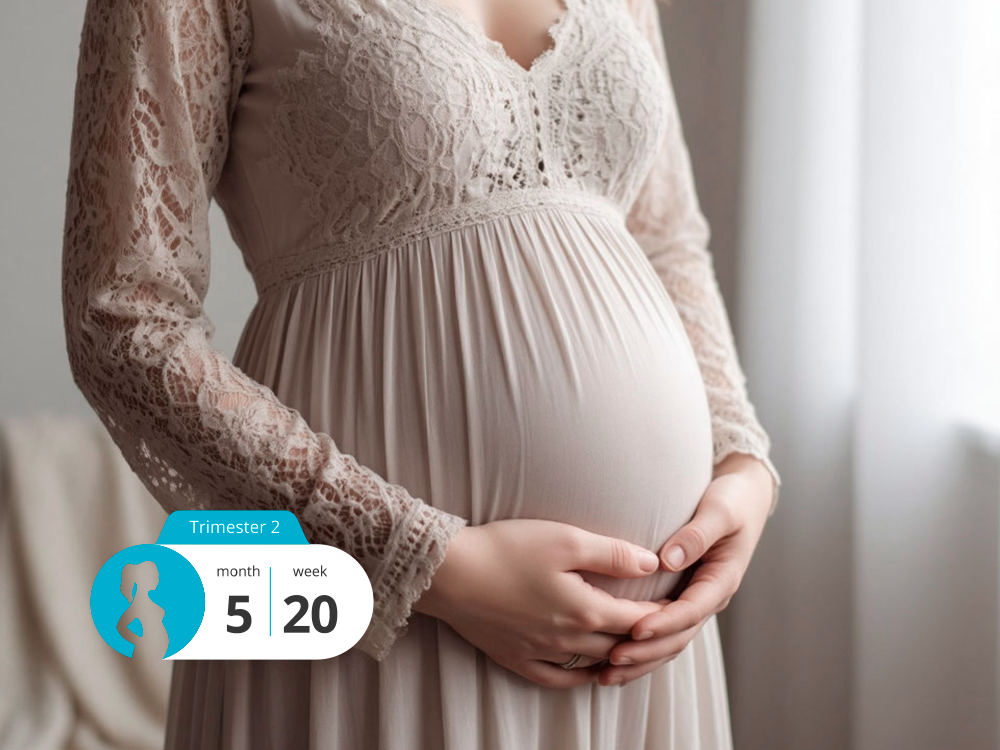
- Pregnancy reaches midpoint (20 weeks) — early pregnancy risks are mostly past.
- Fetus is about 15 cm long and weighs 260 g, roughly the size of a small coconut.
- Major systems like lungs, heart, central nervous system, and digestive organs are functioning.
- First fetal movements become noticeable.
- Mothers may experience back pain, leg cramps, stretch marks, digestive discomfort, and mild edema.
- Emphasis on nutrition, hydration, safe physical activity, and rest.
In This Article
- Fetal Growth and Development
- Fetal Movements
- Maternal Physical Sensations
- Abdominal and Bodily Changes
- Possible Complications
- Cold, Fever, and Illness During Pregnancy
- Recommended Tests and Examinations
- Ultrasound Imaging
- Lifestyle Recommendations
- Nutrition and Diet
- Sexual Activity During Pregnancy
- Psychological Well-being
- Tools and Assistance
Fetal Growth and Development
At 20 weeks, pregnancy reaches its midpoint. Fetal growth is rapid and noticeable. Key developments include:
- Size & Weight: 14–16 cm long, ~260 g. Comparable to a small coconut.
- Lungs: Forming alveoli and bronchi; not yet fully functional but preparing for breathing after birth.
- Heart & Circulation: Heartbeat audible with a stethoscope; heart pumps blood efficiently.
- Nervous System: Brain and spinal cord connections continue to mature; reflexes are present.
- Sensory Development: Retina forms; fetus responds to light and external sounds.
- Hair & Nails: Fine hair (lanugo) covers the body; eyebrows and eyelashes appear; fingernails and toenails are growing.
- Skin: Thickens and is coated with vernix caseosa for protection.
- Digestive System: Swallowing amniotic fluid, producing meconium, and practicing digestive movements.
Fetal Movements
- Mothers start to feel kicks, rolls, and flutters around 20 weeks.
- Movements may increase with maternal activity, stress, or changes in position.
- Hiccups and startle reflexes may be noticeable.
- Fetal activity varies: the baby may move up to 200 times per day but has periods of sleep.
- Reduced or excessive movements can indicate oxygen deficiency or other concerns, requiring medical attention.
Maternal Physical Sensations
Pregnant mothers may notice:
- Abdominal growth: Uterus expanding causes pressure on nearby organs.
- Digestive issues: Heartburn, constipation, bloating, nausea, urinary changes.
- Stretch marks: Rapid weight gain may cause skin stretching.
- Breast changes: Colostrum may leak; breasts continue to enlarge.
- Leg cramps: Nighttime cramps indicate mineral deficiencies (magnesium, calcium, potassium).
- Edema: Mild swelling in hands, feet, and face is common.
- Back pain: Due to changes in posture and weight distribution.
Abdominal and Bodily Changes
- Uterus position: Rises to just below the belly button, shifting organs.
- Center of gravity: Changes, which may cause fatigue and minor balance issues.
- Skin changes: Hyperpigmentation or stretch marks may develop.
- Hair and nails: May grow faster due to hormonal changes.
Possible Complications
- Pain: Back, legs, and abdominal discomfort are common. Persistent or severe pain should be evaluated.
- Bleeding: Light spotting after sex may indicate cervical irritation; heavy bleeding or cramps require immediate medical attention.
- Placenta problems: Placenta previa or abruption can present with bleeding.
- Missed miscarriage (rare at 20 weeks): Symptoms include absence of fetal movement or growth; ultrasound confirms.
- Preeclampsia warning signs: Rapid swelling, sudden weight gain, high blood pressure.
Cold, Fever, and Illness During Pregnancy
- Mild colds are manageable with rest, hydration, and home remedies.
- Fever >38°C (100.4°F) requires medical supervision.
- Avoid unprescribed medications; only use physician-approved remedies.
- Maintain hand hygiene and minimize contact with sick individuals.
Recommended Tests and Examinations
- 20-week ultrasound:
- Confirms fetal growth and organ development.
- Assesses placenta and amniotic fluid.
- Determines fetal sex with high accuracy.
- Monitors fetal heartbeat and anatomy.
- Blood tests:
- Check hemoglobin (anemia), glucose, infection markers, kidney function.
- Hormone tests for estriol, hCG, and alpha-fetoprotein (triple test).
- Urine tests: Screen for urinary tract infections and protein levels.
Lifestyle Recommendations
- Avoid smoking, alcohol, overheating, and prolonged sun exposure.
- Rest on left or right side; avoid back or stomach positions for prolonged periods.
- Moderate physical activity is encouraged: walking, swimming, prenatal yoga, light stretching.
- Avoid heavy lifting, sudden movements, high heels, harsh chemicals, and extreme sports.
- Travel is generally safe; take breaks every 2–4 hours when driving.
Nutrition and Diet
- Eat frequent, small meals to maintain energy and avoid overeating.
- Include:
- Fresh fruits and vegetables
- Lean meats, fish, eggs, dairy
- Whole grains and legumes
- Nuts, seeds, natural juices
- Cooking methods: Steaming, boiling, baking. Avoid fried, smoked, or heavily processed foods.
- Limit sugar and chocolate intake.
Sexual Activity During Pregnancy
- Safe unless medically restricted.
- Prioritize comfortable positions; adjust or stop if uncomfortable.
- Supports emotional well-being and hormone balance.
Psychological Well-being
- Pregnancy hormones may cause mood swings; practicing mindfulness, meditation, or gentle exercises helps.
- Communicate openly with your partner about emotions and needs.
- Support groups and prenatal classes are beneficial for mental health and preparation for childbirth.
Tools and Assistance
- Medical resources: Regular check-ups, educational webinars, and support communities.
- Pregnancy tracker apps to monitor fetal development and maternal health.
- Prenatal exercise programs: Swimming, yoga, aquafitness.
- Nutrition planners to maintain a balanced diet.
- Home monitoring tools: Blood pressure monitor, weight scale.









Please log in to leave a comment.