Highlights
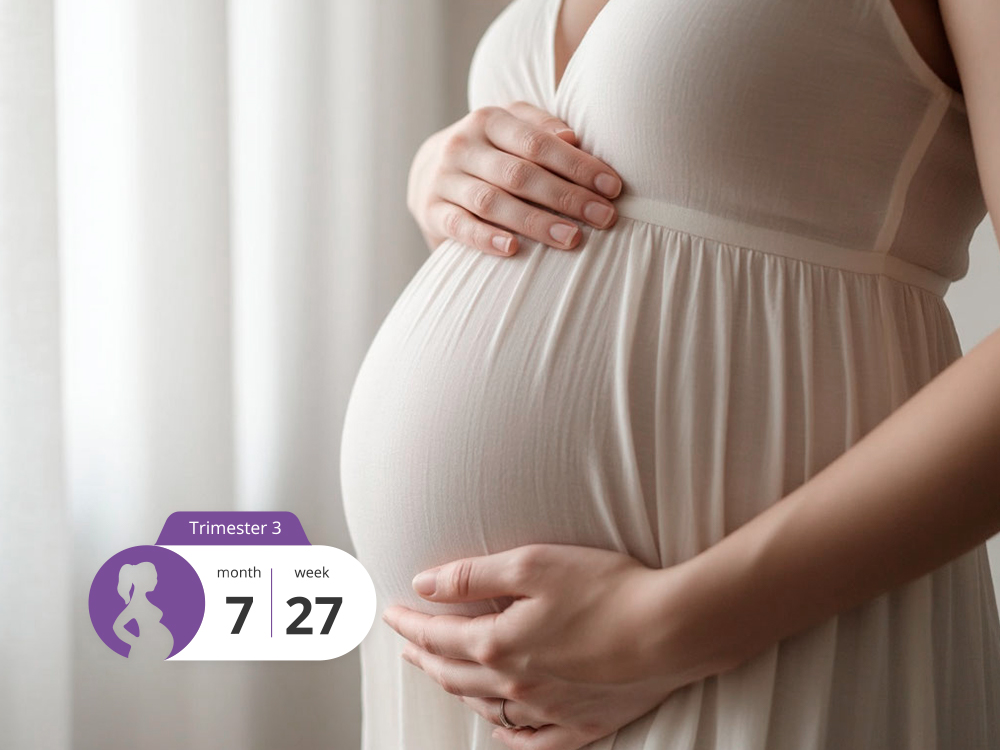
- Marks the end of the seventh month and the beginning of the third trimester.
- Fetus weighs approximately 1–1.1 kg and measures 35–38 cm.
- Fetal movements are noticeable and can communicate emotions.
- Maternal body shows rapid changes: growing belly, stretch marks, breast enlargement, fatigue, and dizziness.
- Prenatal monitoring, proper nutrition, and moderate physical activity are essential for health.
In This Article
- How Many Months Is 28 Weeks
- Fetal Development and Movements
- Maternal Physical and Emotional Changes
- Common Discomforts and Health Concerns
- Uterus and Abdominal Changes
- Nutrition and Vitamins
- Physical Activity and Prenatal Exercises
- Sexual Health
- Prenatal Monitoring, Tests, and Ultrasound
- Tips for Expectant Mothers
How Many Months Is 28 Weeks?
Pregnancy is often calculated in weeks, but one month roughly equals four weeks. Therefore, 28 weeks corresponds to the end of the seventh month, and it marks the beginning of the third trimester, a critical period for fetal growth and maternal adaptation.
Maternal Sensations and Emotional Changes
At 28 weeks, many mothers notice:
- Regular fetal movements: The baby’s kicks and stretches communicate comfort or discomfort. Fetal activity may be more noticeable at night, sometimes disturbing sleep.
- Breast changes: Mammary glands enlarge, preparing for lactation. Some mothers may see small amounts of colostrum.
- Fatigue and dizziness: Often caused by reduced hemoglobin levels, which may require medical intervention to prevent complications for both mother and fetus.
- Emotional sensitivity: Anxiety about childbirth is common; prenatal classes can alleviate stress, provide guidance, and foster emotional support.
Fetal Development at 28 Weeks
The fetus is growing rapidly and preparing for life outside the womb:
- Weight & Size: ~1–1.1 kg, 35–38 cm long.
- Brain: Increased cortical folds, well-defined hemispheres, and development of neural connections.
- Senses: Eyes can open and focus; responds to light, sound, and tastes of amniotic fluid. Recognizes the mother’s voice.
- Digestive system: Intestinal peristalsis develops; pancreas produces enzymes; liver secretes bile.
- Blood formation: Bone marrow takes over hematopoiesis from liver and spleen.
- Respiratory system: Bronchial tubes formed; lungs produce surfactant to aid breathing after birth.
- Skin & fat: Skin lightens; vernix caseosa decreases; subcutaneous fat accumulates to regulate temperature.
- Skeleton & kidneys: Bone tissue strengthens; kidneys excrete ~0.5 liters of urine per day.
- Movements: More coordinated; the baby can grasp, suck fingers, and move purposefully.
Uterus and Abdominal Changes
- Uterine fundus height: ~28 cm.
- Abdominal growth: The belly is fully rounded; skin stretches, potentially causing stretch marks.
- Organs displacement: Enlarged uterus compresses the bladder, stomach, and intestines. Common symptoms include frequent urination, heartburn, and mild digestive discomfort.
- Braxton Hicks contractions: Short, irregular uterine tightenings prepare for labor.
Common Maternal Discomforts
- Back and pelvic pain: Due to shifting center of gravity and ligament strain.
- Leg cramps and swelling: Increased fluid retention can cause edema and varicose veins.
- Fatigue, dizziness, and sleep disturbances: Sleeping on the left or right side is recommended to improve circulation.
- Discharge: Normal vaginal discharge is whitish and slightly acidic; unusual odor or color requires medical attention.
- Amniotic fluid leakage: Can signal premature labor; immediate medical care is required.
Risk of Preterm Birth
- Premature labor is possible at 28 weeks, especially in high-risk pregnancies.
- Modern neonatal care enables many preterm infants to survive with proper support.
- Maternal recovery may be longer and more complex after preterm delivery.
Nutrition Recommendations
- Avoid: Processed foods, excessive salt, caffeine, alcohol, and high-sugar or fried products.
- Focus on: Vegetables, fruits, dairy, eggs, lean meats, fish, grains.
- Hydration: At least 1.5 liters of water daily.
- Meal frequency: 5 small meals every 2–3 hours; prefer steaming, baking, or boiling over frying.
- Supplements: Prenatal vitamins recommended by a healthcare provider to support maternal and fetal health.
Physical Activity and Prenatal Exercises
- Importance: Maintains circulation, prevents swelling, strengthens muscles, and supports digestion.
- Recommended activities:
- Prenatal yoga for flexibility, breathing, and relaxation
- Aqua aerobics to reduce joint strain and fatigue
- Walking outdoors or gentle hiking
- Maternity belts can reduce back strain and improve comfort during movement.
Sexual Health
- Intimacy is generally safe unless complications exist (e.g., risk of preterm labor, placenta issues, cervical insufficiency).
- Positions that avoid abdominal pressure are recommended.
- Physical and emotional comfort should guide sexual activity.
Prenatal Monitoring and Tests
- Frequency: At least twice a month; closer to delivery, check-ups may be weekly.
- Tests:
- Blood, urine, and vaginal swab for infection
- Blood sugar and antibody testing if indicated
- Weight, blood pressure, and fundal height monitoring
- Ultrasound: Conducted if there are maternal complaints or concerns about fetal development. Assesses growth, placenta, umbilical cord, amniotic fluid, and fetal position.
- Fetal sex determination: Possible if desired; genitalia are fully formed by 28 weeks.
Tips for Expectant Mothers
Communicate frequently with your baby; speaking or singing supports early bonding.
Monitor weight gain; recommended total weight gain by 28 weeks: 7–10 kg.
Maintain a calm, stress-free environment for yourself and the baby.
Enroll in prenatal courses to prepare for childbirth and breastfeeding.
Tools and Assistance
- Pregnancy tracking apps for weekly updates
- Fetal movement and kick diaries
- Blood pressure, weight, and hemoglobin monitors
- Prenatal exercise programs, yoga, and aqua aerobics
- Telemedicine consultations with obstetricians and dietitians
Stay active but listen to your body. Gentle exercise, walking, and prenatal classes are recommended.












Please log in to leave a comment.