Highlights
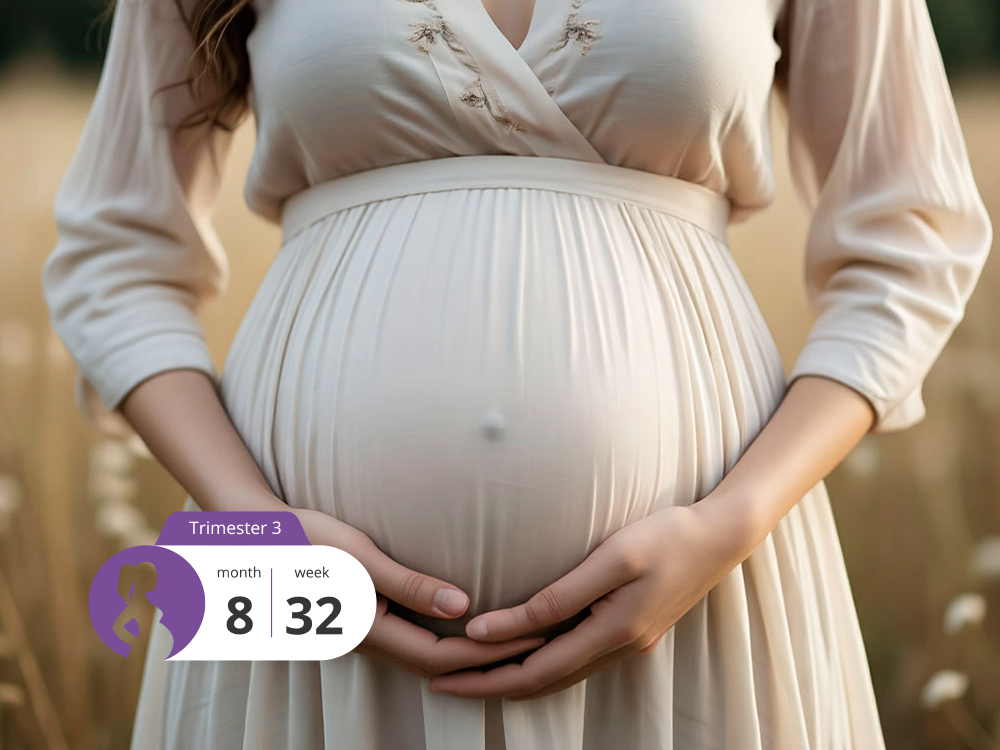
- Marks the beginning of the 8th month of gestation.
- Fetus weighs approximately 1.8 kg and measures 42 cm.
- Immune system starts producing protective antibodies.
- Subcutaneous fat accumulates; skin and facial features become more defined.
- Baby can respond to light and sound, distinguish day from night, and practice breathing movements.
- Maternal body experiences increased physical and emotional demands, including nesting instincts and frequent urination.
- Preparation for delivery, rest, nutrition, and monitoring are critical.
In This Article
- Pregnancy Timeline: 32 Weeks in Months
- Fetal Development: Size, Weight, and Organ Maturation
- Maternal Changes and Symptoms
- Fetal Movements and Bonding
- Common Discomforts and Possible Complications
- Warning Signs and Labor Preparation
- Nutrition, Vitamins, and Hydration
- Physical Activity and Self-Care
- Prenatal Testing and Ultrasound
- Intimacy During Late Pregnancy
Pregnancy Timeline: 32 Weeks in Months
- 32 weeks corresponds to 8 months of pregnancy (obstetric calculation from the first day of the last menstrual period).
- From conception, it’s approximately 30 weeks.
- Most mothers are on prenatal leave, allowing time for preparation, rest, and bonding with the baby.
Fetal Development at 32 Weeks
- Weight: ~1.8 kg
- Length: ~42 cm
- Fetal size comparison: Jicama
- Subcutaneous fat continues to accumulate, aiding thermoregulation after birth.
- Fine hair (lanugo) largely disappears; hair on the head strengthens.
- Skin gains a natural beige-pink tone; cheeks, arms, and legs appear rounded.
- Endocrine glands (thyroid, parathyroid, adrenal, pituitary, pancreas) are active and secrete hormones.
- Baby responds to light, can distinguish day from night, and reacts to voices.
- Respiratory system develops: the fetus practices breathing movements and swallows amniotic fluid.
- Bones strengthen, though skull remains flexible to ease passage through the birth canal.
- Immune system starts producing antibodies to protect the newborn.
Maternal Changes and Physical Symptoms
- Many women experience nesting instincts, a desire to organize and prepare the home for the baby.
- Increased concern about childbirth is normal; consulting an obstetrician helps alleviate anxiety.
- Common late-pregnancy discomforts:
- Frequent urination due to uterine pressure on the bladder
- Shortness of breath from diaphragm compression
- Digestive issues like nausea, heartburn, or constipation
- Skin stretching; moisturizing creams recommended
- Back strain; a maternity support belt can help
- Resting on the side is preferable to avoid compressing the vena cava and ensure proper fetal oxygenation.
Fetal Movements and Bonding
- Baby’s movements (kicks, stretches, hiccups) are strong and visible.
- Parents and family members can feel the baby by placing hands on the abdomen.
- Regular fetal movement is a key indicator of fetal health.
Common Discomforts and Possible Complications
- Abdominal and back pain due to uterine stretching.
- Pelvic pain caused by the separation of pelvic bones.
- Headaches, fatigue, or dizziness may signal late-pregnancy complications, such as preeclampsia.
- Temporary discomforts like false contractions or mild digestive issues are normal.
Warning Signs and Labor Preparation
Seek medical attention immediately if:
- Vaginal bleeding or fluid leakage occurs
- Strong and frequent contractions appear
- Severe abdominal or pelvic pain
- Significant changes in fetal movement
Nutrition, Vitamins, and Hydration
- Maintain balanced, low-calorie meals: fish, lean meat, dairy, vegetables, grains, and fruits.
- Drink at least 1.5 liters of water daily; include herbal teas and fruit compotes.
- Eat small, frequent meals to reduce nausea and support digestion.
- Avoid fatty, salty, or processed foods, caffeine, and alcohol.
- Prenatal vitamins may be prescribed based on blood tests (calcium, iron, magnesium, folic acid, vitamins A, B, C, D, E).
Physical Activity and Self-Care
- Engage in safe exercises: walking, prenatal yoga, swimming, or light aerobics.
- Benefits include improved circulation, better mood, muscle and respiratory training, and faster postpartum recovery.
- Avoid heavy lifting, overexertion, and strenuous activity.
- Maintain daily rest and nighttime sleep; use pillows for comfort and proper positioning.
Prenatal Testing and Ultrasound
- Routine examinations: weight, blood pressure, fetal heart rate, and abdominal measurements.
- Urine and blood tests to monitor maternal and fetal health.
- Third-trimester ultrasound evaluates:
- Fetal growth and organ development
- Placental maturity and position
- Amniotic fluid levels and umbilical cord
- Cervical assessment
- Optional determination of fetal sex
- Advanced 3D and 4D ultrasound can provide detailed facial images and features.
Intimacy During Late Pregnancy
- Sexual activity is generally safe unless restricted for medical reasons (e.g., risk of preterm labor).
- Moderate, careful activity is recommended to avoid complications.
At 32 weeks, both the fetus and mother undergo important changes. The fetus continues rapid growth and organ maturation, while the mother experiences increasing physical and emotional demands. Proper nutrition, rest, monitoring, and preparation for birth are key for a healthy final trimester.












Please log in to leave a comment.