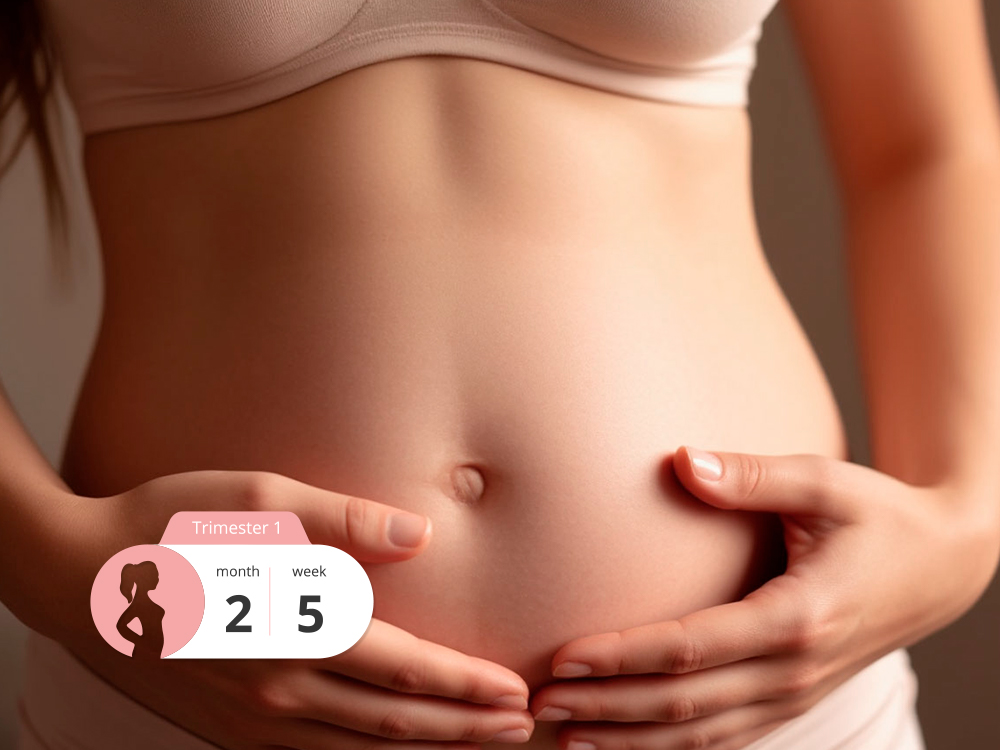
Highlights
- Week 5 marks the beginning of the embryonic stage, a period of rapid organ development.
- Pregnancy may now be confirmed by a missed period, hCG testing, or ultrasound.
- The embryo measures 1.5–2 mm, weighs less than 1 g, and resembles a tiny curved structure.
- Critical systems under formation: nervous system, cardiovascular system, respiratory buds, digestive organs.
- The primitive heart begins beating around day 21–22 post-conception.
- Maternal symptoms may include nausea, breast tenderness, fatigue, bloating, and mood swings.
- This is a sensitive stage, as the embryo is highly vulnerable to harmful influences.
- Balanced lifestyle choices — nutrition, rest, avoiding toxins — are vital for healthy progression.
In This Article
- Overview of Week 5
- Ultrasound Findings
- Embryonic Development
- Maternal Symptoms and Sensations
- Internal and Hormonal Changes
- Early Pregnancy Discomforts
- Nutrition and Supplements
- Physical Activity and Rest
- Emotional and Psychological Adjustments
- Medical Tests and Screenings
- Risk Factors and Prevention
- Key Takeaways
- Tools and Assistance
Overview of Week 5
By the fifth week, pregnancy becomes more certain. Although outward signs remain subtle, internally the body undergoes major hormonal and physiological adjustments. The embryo, though only the size of a sesame seed, is forming the foundations of vital systems.
Ultrasound Findings
- Confirms pregnancy by identifying the gestational sac.
- Helps exclude ectopic implantation.
- Detects early development but cannot yet show detailed anatomy.
- Fetal heartbeat may sometimes be visible toward the end of Week 5.
Embryonic Development
- Embryo length: 1.5–2 mm, C-shaped form.
- Neural tube closes, forming the base of the brain and spinal cord.
- Cardiovascular system develops rapidly; heart tube begins contractions.
- Buds for arms and legs become visible.
- Early development of lungs, kidneys, liver, pancreas, and thyroid.
- Facial areas form: primitive sites for eyes and ears.
- Embryo separates from the yolk sac and chorion, relying increasingly on the placenta.
Maternal Symptoms and Sensations
- Missed period: main clinical sign.
- Breast changes: enlargement, soreness, visible veins.
- Nausea and vomiting: hallmark of early pregnancy, not limited to mornings.
- Fatigue and drowsiness: due to increased metabolic demands.
- Mood swings: linked to hormonal surges.
- Mild abdominal cramps or spotting: sometimes related to implantation.
- Frequent urination: caused by hormonal effects on kidneys.
- Digestive changes: bloating, gas, and constipation.
Internal and Hormonal Changes
- hCG levels rise rapidly, maintaining pregnancy.
- Estrogen: stimulates breast growth, enlarges the uterus, influences mood and vascular function.
- Progesterone: relaxes uterine muscles, prevents miscarriage risk, slows digestion.
- Immune system suppression: protects the embryo from rejection.
- Basal temperature may remain slightly elevated (up to 37.5°C / 99.5°F).
Early Pregnancy Discomforts
- Morning sickness (nausea, vomiting).
- Headaches, dizziness.
- Constipation, heartburn, slower digestion.
- Food cravings or aversions.
- Heightened sensitivity to smells.
Nutrition and Supplements
- Folic acid (400–800 mcg daily): prevents neural tube defects.
- Iron: supports blood production.
- Calcium and Vitamin D: essential for bone health.
- Omega-3 fatty acids: support brain and eye development.
- Recommended foods: leafy greens, whole grains, lean proteins, dairy, nuts, seeds.
- Foods to avoid: unpasteurized dairy, undercooked meat or fish, high-mercury fish, excessive caffeine, alcohol.
- Small, frequent meals may ease nausea.
Physical Activity and Rest
- Gentle activities such as walking, swimming, and prenatal yoga are generally safe.
- Avoid high-impact sports, contact activities, or heavy lifting.
- Adequate rest is critical, as fatigue is common.
- Short naps during the day may help restore energy.
Emotional and Psychological Adjustments
- Mood swings are frequent due to hormonal changes.
- Anxiety about pregnancy health is common in early weeks.
- Relaxation techniques such as breathing exercises, meditation, or journaling may help.
- Support from partners, family, or professionals reduces stress.
Medical Tests and Screenings
- Blood test for hCG: confirms pregnancy with precision.
- Progesterone levels: may be monitored in some cases.
- Ultrasound: confirms implantation in uterus.
- General health screening: blood pressure, thyroid function, infection checks.
- Early consultations guide supplement use, lifestyle, and prenatal planning.
Risk Factors and Prevention
- Miscarriage risk is higher in early weeks.
- Avoid alcohol, tobacco, recreational drugs, and unnecessary medications.
- Limit exposure to infections, toxic chemicals, and radiation.
- Manage stress through relaxation and adequate rest.
- Maintain a balanced diet and hydration.
Key Takeaways
- Early medical care helps ensure healthy progression and reduces anxiety.
- The fifth week is a turning point: pregnancy is confirmed, and organ development accelerates.
- The embryo, though tiny, already has a beating heart and developing nervous system.
- Symptoms may include nausea, fatigue, breast sensitivity, and mood changes.
- Hormones drive both changes in the body and emotional adjustments.
- Nutrition, rest, and avoidance of harmful factors are essential.
Tools and Assistance
- Pregnancy apps: track symptoms, appointments, and milestones.
- Digital ovulation and pregnancy calculators: estimate gestational age.
- Prenatal vitamins: essential support during early pregnancy.
- Counseling and support groups: reduce emotional strain.
- Medical consultations: ensure early monitoring and reassurance.
- Partner support: shared responsibility and encouragement.











Please log in to leave a comment.