Highlights
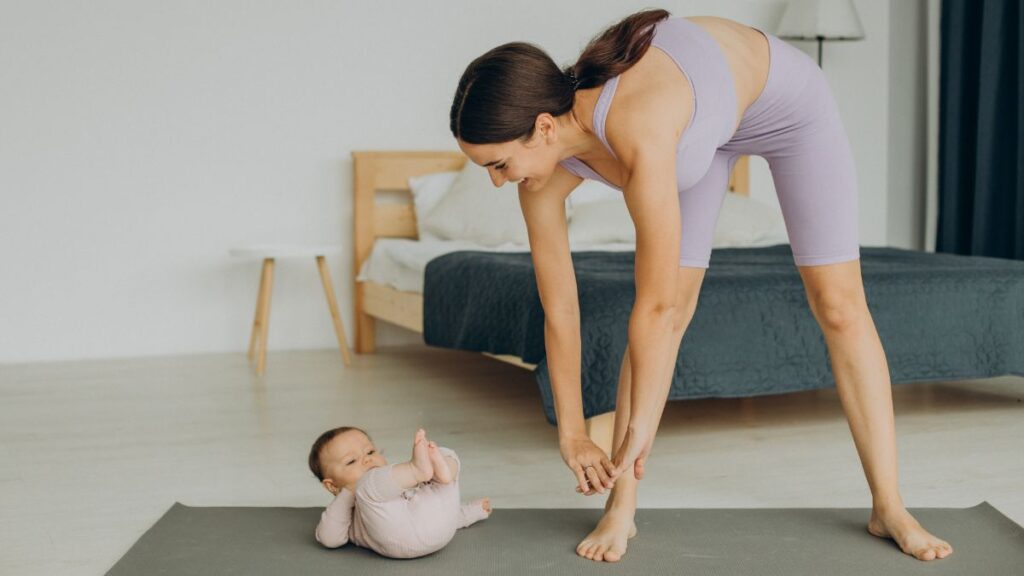
- Regular exercise after childbirth helps you lose weight, strengthen muscles, and tone your body.
- It’s also beneficial for your mental wellbeing.
- Wait 4 to 6 months before returning to your previous level of physical activity.
In This Article
- Benefits of Exercise After Pregnancy
- How Has My Body Changed After Pregnancy?
- When Can I Start Exercising After Pregnancy?
- What Low-Risk Exercises Can I Do After Pregnancy?
- When Should I Be Concerned About Exercising?
- Tools and Assistance
Benefits of Exercise After Pregnancy
Exercise helps you recover after childbirth, strengthens muscles, and improves mood. It also boosts energy levels, aids in weight loss, and promotes overall fitness. Regular physical activity supports mental wellbeing, reduces stress, and can help prevent postnatal depression. Even brief exercise sessions of just 10 minutes can be beneficial when you’re busy caring for a newborn.
How Has My Body Changed After Pregnancy?
- Pelvic Floor: Labour and birth may weaken pelvic muscles, leading to bladder control issues. Start with gentle exercises to avoid strain.
- Joints and Ligaments: Pregnancy hormones can affect your joints, increasing the risk of injury.
- Abdominal Muscles: Your abdominal muscles may have separated, requiring specific exercises to strengthen them and prevent back pain.
- Pelvic Floor Recovery: If you had a large baby or a prolonged labour, pelvic floor exercises will help restore strength.
When Can I Start Exercising After Pregnancy?
It’s best to wait 4 to 6 months before returning to your pre-pregnancy activity level. Avoid swimming until bleeding has stopped and healing is complete. A 6-week postnatal check-up is recommended before engaging in more strenuous activities like gym sessions or group exercise programs.
- Vaginal Birth: You can start gentle pelvic floor and abdominal exercises 1-2 days after birth. Gradually increase walking time and aim for 30-minute daily walks.
- Caesarean Section: Begin pelvic floor exercises 3 days after birth. Avoid lifting anything heavier than your baby for at least 6 weeks, and consult with your doctor before starting light walking, low-impact aerobics, or cycling around 12 weeks.
What Low-Risk Exercises Can I Do After Pregnancy?
- Abdominal Exercises: Start with abdominal bracing in different positions. Hold for 5 seconds, repeat 5 to 10 times.
- Pelvic Floor Exercises: Sit straight, contract pelvic floor muscles (like stopping urine flow), hold for 5 seconds, relax, and repeat 10 to 15 times.
- Other Low-Impact Exercises: Walking, swimming (once bleeding stops), yoga, Pilates, low-impact aerobics, light weight training, and cycling are all great options.
Incorporate exercises into your daily routine, like doing pelvic floor exercises while breastfeeding or going for walks with your baby.
When Should I Be Concerned About Exercising?
Signs of Prolapse: If you notice difficulty emptying the bladder or bowel, vaginal pressure, or bulging, seek medical advice for treatment options.
Urine Leakage: If you experience urine leakage while coughing or jumping, your pelvic floor may need more time to recover. Consult a doctor or physiotherapist for advice.
Tools and Assistance
- Consult with a healthcare provider: It’s important to discuss your post-pregnancy exercise plans with your doctor or maternal child health nurse to ensure you’re on the right track and to get personalized advice based on your specific recovery needs.
- Pelvic Floor Physiotherapy: If you’re experiencing pelvic floor issues, such as urinary leakage or prolapse symptoms, consider working with a pelvic floor physiotherapist. They can guide you through exercises designed to help you recover safely.
- Postnatal Fitness Classes: Look for postnatal fitness programs or low-impact exercise classes specifically designed for new mothers. These programs are tailored to address your body’s needs after childbirth and can provide a supportive environment for your recovery.
- Exercise Tracking Apps: Consider using fitness tracking apps to monitor your progress and stay motivated. Many apps offer specific postnatal exercise routines and allow you to track your workouts and recovery over time.
- Support Groups: Joining a support group for new parents can be beneficial. It offers emotional support and helps you connect with others going through similar experiences. Some groups may also provide useful resources for exercise and recovery after childbirth.
- Nutrition and Recovery Advice: Speak with a nutritionist or dietitian to make sure you’re fueling your body properly as you start exercising. Proper nutrition is key to recovering from childbirth and supporting physical activity.










Please log in to leave a comment.